Tokyo Game Show Marks 30 Years with Expanded AI Focus
Japan's largest gaming exhibition has reached a milestone, expanding its duration and emphasizing artificial intelligence in a bid to solidify its global industry standing.
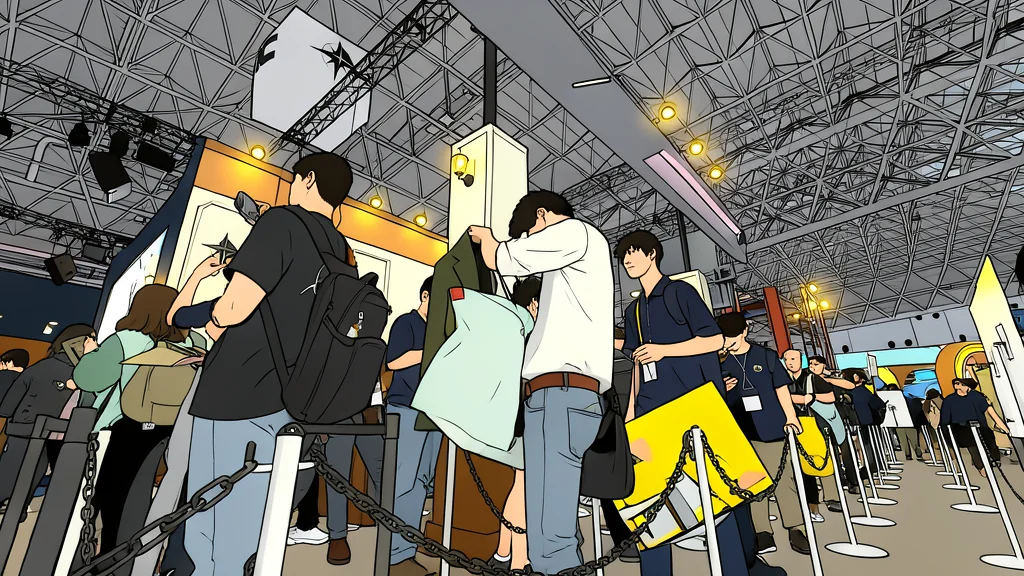
The Tokyo Game Show has entered its 30th year with a noticeable shift in scope and scale. Held at Makuhari Messe in Chiba Prefecture, the event attracted record participation from 1,138 companies across 53 countries. For the first time in its history, the organizers extended the schedule to five days. This decision was driven by the need to manage the heavy foot traffic, with expectations of around 100,000 visitors per day during public sessions. The goal was to ensure attendees had sufficient time to experience the vast array of new titles without feeling rushed or excluded by congestion.
The expansion of the event reflects a broader transformation in the Japanese gaming market. No longer defined solely by anime and manga intellectual properties, the show is increasingly positioning itself as a global business hub. With overseas participants now outnumbering Japanese firms, the event has become a critical venue for international trade, development tools, and emerging technologies. This shift marks a significant departure from its earlier identity as a regional showcase for subculture-driven games.
Artificial Intelligence Takes Center Stage
A defining feature of this year's edition is the prominent role of artificial intelligence. The exhibition included a dedicated AI Technology Pavilion, where fourteen companies displayed tools and solutions designed to enhance game production. Firms like Adobe and Mesh AI showcased technologies aimed at shortening development cycles and reducing costs. This focus on efficiency signals a maturing industry that is integrating core technologies to maintain competitiveness.
The adoption of AI in Japan has accelerated recently, according to industry representatives. Kim Joon-hyuk, head of Korea and Japan business at Mesh AI, noted that Japanese studios, previously cautious about these tools, are now actively implementing them. Many major companies have established dedicated departments to evaluate and integrate AI solutions. This structural change indicates that AI is no longer a peripheral experiment but a central component of the development pipeline.
Global Standing After E3 Closure
The closure of the Electronic Entertainment Expo in 2023 created a vacuum in the global gaming calendar. The Tokyo Game Show, along with Germany's Gamescom, has stepped into this space as one of the two premier industry events. The venue was filled with booths from major international players, including Microsoft, Google, and Lenovo. These tech giants used the platform to promote their gaming brands and hardware, highlighting the event's growing importance for cross-border business opportunities.
This elevated status contrasts with the recent past, when the Japanese gaming industry faced criticism for slow growth and underperforming hardware. Western developers frequently dominated major awards, leading to concerns about the sector's innovation capabilities. However, the current atmosphere suggests a recovery in momentum. The presence of major Japanese firms like Sega, Sony, and Konami, combined with strong international participation, indicates a renewed confidence in the market's direction.
Strategic Shifts in Industry Dynamics
The Japan Computer Entertainment Association emphasized that direct experience with new games is vital for gauging sales potential and development directions. The five-day format was specifically designed to reduce congestion and expand demonstration opportunities. This approach prioritizes quality of experience over sheer volume of foot traffic. By providing more time for meaningful interactions, the organizers aim to foster stronger connections between developers and the market.
As reported by GN auto tech/gaming, the event serves as a barometer for the industry's health. The combination of record booth numbers, international diversity, and technological integration paints a picture of a sector in transition. The move from a subculture-centric model to a technology-driven global hub represents a strategic repositioning. This evolution is crucial for maintaining relevance in a competitive landscape where efficiency and innovation are paramount.