Fleet Managers Misunderstand EV Savings
Assigning electric vehicles to low-mileage drivers is a common strategy, but experts argue it prevents businesses from seeing the true financial and environmental benefits of electrification.
Many businesses transitioning to electric vehicles make a strategic error by assigning the new cars to drivers with the lowest mileage. While this may seem like a low-risk trial, it actually limits the operational savings and prevents organizations from understanding the full potential of the technology. According to Claire Evans, Consultancy and Product Development Director at Zenith, this approach holds back the transition by failing to demonstrate how far and how quickly companies can move in both financial and environmental terms.
The hesitation often stems from outdated concerns about range and charging reliability. However, data from 2026 indicates a significant shift in driver confidence. Modern electric cars now offer an average range of around 300 miles, with some models exceeding 500 miles on a single charge. Surveys show that 70% of electric vehicle drivers feel confident using their cars for longer journeys, and nearly 80% report high confidence when using public charging points. This growing assurance suggests that the barriers to wider adoption are no longer technical, but rather strategic and financial.
Energy Strategy Defines Fleet Costs
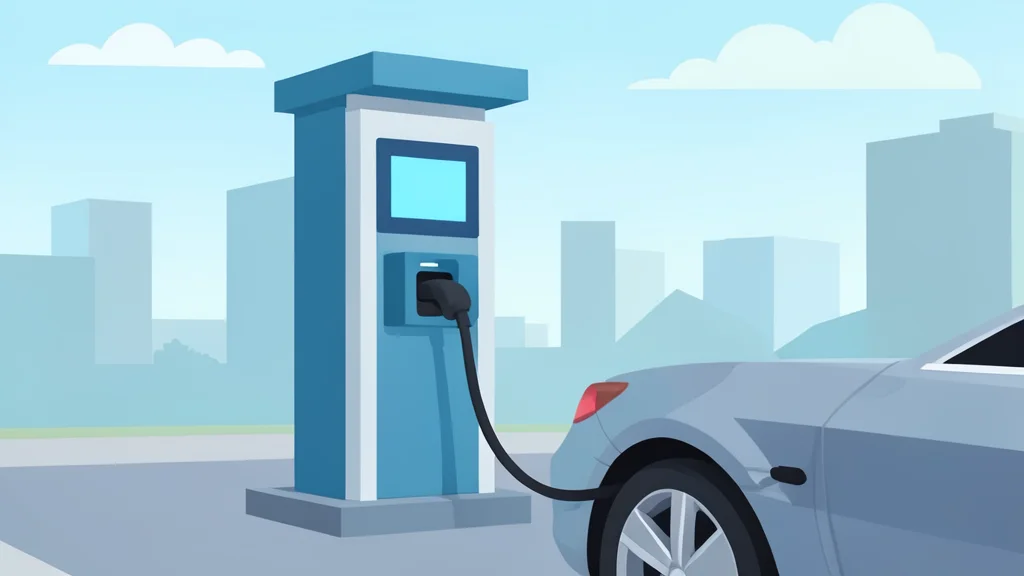
The conversation around fleet electrification has evolved beyond simple vehicle selection to include complex energy management. As fleets become more reliant on electricity, the cost of fuel is now determined by how and where vehicles are charged. An electric vehicle charged at home on an off-peak overnight tariff can cost as little as 3 pence per mile. In contrast, diesel and petrol can cost seven times as much, with greater price volatility. Understanding these energy dynamics is crucial for calculating the true total cost of ownership.
However, policy changes introduce uncertainty. The introduction of the Electric Vehicle Emissions Duty, or eVED, in 2028 will add cost pressures for fleet operators. This regulatory shift affects confidence in residual values, which in turn impacts leasing costs. For businesses, securing the right charging solution is now just as critical as selecting the right vehicles, requiring a holistic approach that balances operational efficiency, cost, and energy access.
Policy Gaps Create Market Uncertainty
While the Zero Emission Vehicle mandate is accelerating the supply of new electric cars, it also creates market imbalances. Grants support some new vehicle sales, but the impending eVED charges create cost pressures that affect user confidence. This mixed signal makes it difficult for fleet operators to predict long-term costs and benefits. The result is a market where technology is ready, but financial and regulatory clarity lags behind.
Experts argue that closing these gaps requires a coordinated approach. Government departments and industry representatives must work together to ensure a cohesive strategy. Without this alignment, businesses risk making decisions based on incomplete data, potentially missing the significant benefits that electrification offers. The goal is to move from cautious trial runs to confident, large-scale adoption that delivers maximum value.
Rethinking the Transition Strategy
The shift toward electric fleets is no longer just about replacing combustion engines with batteries. It is a broader transformation that involves sustainability teams, energy managers, and operational leaders. As reported by GN auto tech/ev, the focus is expanding to include how energy is sourced, managed, and optimized. This integrated view ensures that electrification supports wider corporate net zero strategies, turning a logistical challenge into a strategic advantage.