Using a Gaming Handheld as a Home Media Server
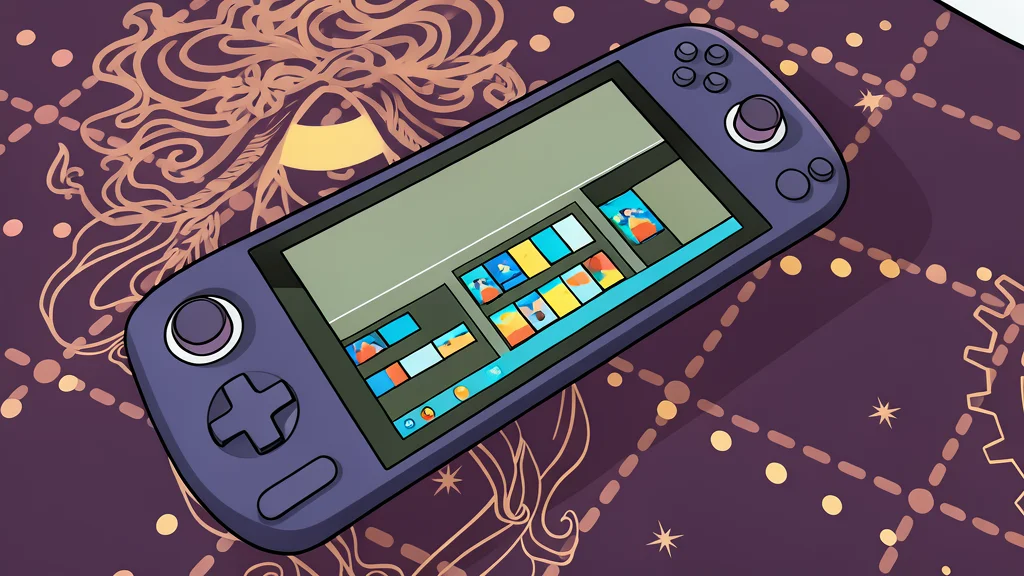
Gaming handhelds often possess more processing power than standard laptops. By repurposing this hardware, users can serve media to their home network without purchasing a dedicated network-attached storage device.
Most modern gaming handhelds are equipped with processors that outperform the average home server. While manufacturers design these devices primarily for mobile gaming, the underlying architecture is capable of handling background tasks like media streaming. According to XDA Developers, turning a handheld into a media server is a practical way to utilize excess computing power without incurring additional hardware costs.
The primary advantage of this setup is the lack of extra expense. If a user already owns a device like the Steam Deck or an Ayaneo Air 1S, the hardware is already present. The challenge lies not in computing ability, but in storage capacity and power management, which creates specific trade-offs for anyone considering this approach.
Hardware power exceeds server requirements
Devices such as the Ayaneo Air 1S feature processors like the AMD Ryzen 7 8840U, which are significantly more powerful than the chips found in typical network storage units. Even less potent options are sufficient for the task. Because these handhelds often run Linux-based operating systems, they are compatible with popular media management platforms like Jellyfin and Plex. These applications handle metadata retrieval and file serving effectively, meaning the processing side of the equation is rarely a bottleneck.
Storage limitations create real risks
The main drawback is available space. Internal solid-state drives in handhelds are usually small, ranging from 512GB to 1TB, and are frequently occupied by large game files. Users often lack the room for a substantial movie library. While external hard drives can solve this, they require a dock and power supply, reducing the device's portability. Alternatively, using a larger microSD card is cheaper but introduces reliability concerns. Unlike enterprise-grade servers, these cards have no data redundancy. If the card fails or becomes corrupted, the entire media library can be lost.
Power management complicates constant uptime
A dedicated storage device is designed to remain powered on indefinitely. Handhelds, however, are built for intermittent use. They feature aggressive power management to save battery, which means they may enter sleep mode when idle, effectively stopping the media service. Furthermore, leaving a handheld plugged into a charger for weeks or months can degrade the battery, especially if the device lacks a bypass charging feature that powers the system without cycling the battery. This makes the handheld less suitable as a permanent, always-on server compared to a traditional network storage unit.