Valve's Lepton Brings Android VR Games to Linux PCs
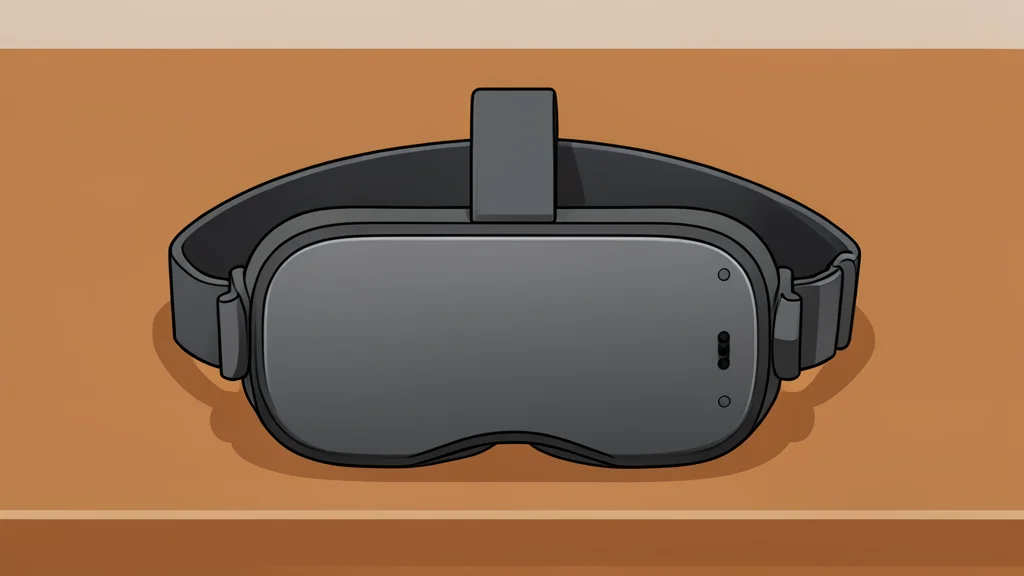
Valve's new Lepton project allows Steam Frame users to play Android VR titles on Linux, potentially expanding to broader mobile app support.
Key points
- Valve's Lepton project enables Android VR games to run on Linux systems, specifically targeting the Steam Frame headset.
- The tool disables non-essential Android services to optimize gaming performance, which may break compatibility with standard apps.
- Lepton is currently in an early stage with a focused use case, but could expand to support broader Android application usage.
Valve has released a new tool called Lepton, designed to run Android virtual reality games on Linux-based hardware. The project specifically targets the Steam Frame headset, allowing users to play mobile VR titles that were previously inaccessible to PC gamers using Valve's ecosystem.
While the tool is currently in a basic state, it follows the same strategic path as Proton, Valve's earlier solution that brought Windows games to Linux. By enabling Android applications to run on desktop operating systems, Lepton could significantly expand the library of available VR content for Steam users without requiring them to switch devices.
Lepton targets Steam Frame users
According to documentation released on GitLab, Lepton is built primarily to assist game developers in porting their Android VR titles to the Steam Frame. The tool works by creating a compatibility layer that allows these specific mobile applications to execute on Linux systems, effectively bridging the gap between the Android and Steam ecosystems.
Valve recommends downloading Lepton through the Steam client for the best experience, though the source code remains publicly available for those who prefer manual installation. This approach mirrors how Proton was initially distributed, prioritizing integration with Valve's existing platform infrastructure to ensure stability and ease of access for the average user.
Stability trade-offs for broader compatibility
The tool comes with a significant limitation: it disables numerous Android services that are not required for running games. While this optimization improves performance for gaming purposes, it may break compatibility with non-gaming applications. Users should be aware that this is a specialized environment, not a general-purpose Android emulator for all types of mobile software.
As reported by XDA Developers, the project is currently bare-bones and focused strictly on its primary use case. Other potential applications, such as running standard Android apps on Linux desktops, are technically possible but were not the focus of development. Consequently, these secondary use cases may lack polish and reliability compared to the core VR gaming functionality.
Future potential beyond virtual reality
Despite its narrow current focus, Lepton could eventually evolve into a broader solution for running Android software on Linux devices. Given that Proton has already been used to run non-gaming Windows applications, there is a clear precedent for expanding such compatibility layers. If Valve fleshes out the project, users might be able to run a wider variety of mobile games and apps on their Linux machines.