3D Printing Fixes Raspberry Pi Camera Latch Issue
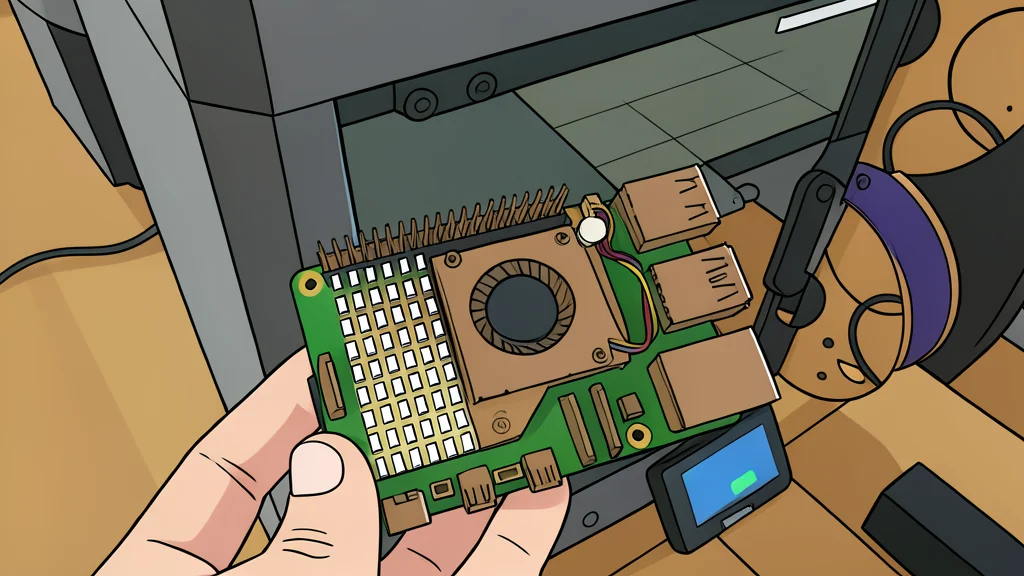
A common hardware flaw in the Raspberry Pi 5 has been addressed by a simple plastic print, offering a durable alternative to fragile factory components.
The Raspberry Pi 5 features a design flaw that frustrates many users: its camera and display connectors have latches that break easily. This issue is particularly problematic for those wanting to attach two cameras simultaneously for surveillance or other multi-input projects. When one of these tiny plastic clips snaps, the ribbon cable can slip out, leading to disconnections and the need for makeshift fixes like tape.
According to XDA Developers, a hobbyist found a practical solution by 3D printing a replacement latch. The process required only a few cents in material and minimal time on the printer. The resulting part fits securely into the board's socket, effectively restoring the function of the broken component without requiring expensive hardware replacements or professional repairs.
Fragile latches plague single-board computers
Single-board computers like the Raspberry Pi use specialized interfaces to connect cameras and displays. These ports rely on small, spring-loaded latches to hold ribbon cables in place. On older models, these latches were already delicate, but the Raspberry Pi 5 introduces even smaller MIPI sockets. The reduced size makes the latches more susceptible to snapping during insertion or removal, especially if the cable is not aligned perfectly.
For users in remote areas or those with limited budgets, sourcing a new board just to replace a broken plastic clip is often impractical. This limitation pushes DIY enthusiasts to look for alternative solutions, turning to additive manufacturing as a viable repair method.
Material choice prevents heat warping
When printing functional parts for electronics, material selection is critical. Standard PLA plastic, which is common for hobby printing, can warp under heat. Since the Raspberry Pi generates warmth during operation, using PLA for a component that sits close to the board could lead to deformation and failure. The creator opted for PETG, a more heat-resistant filament, ensuring the latch maintains its shape over time.
The printing process itself was straightforward. Using a standard 0.4mm nozzle and adding basic support structures, the small part was completed in under two minutes. The result was a sturdy clip that slotted securely between the board's wedges, mimicking the function of the original factory part.
A low-cost fix for a common annoyance
The success of this repair highlights the utility of 3D printing for minor hardware fixes. While it does not solve the underlying design fragility, it provides a cost-effective workaround for users who have experienced the issue. The printed latch feels nearly identical to the original, offering a reliable connection for camera modules.
This approach is accessible to anyone with a basic 3D printer and a model file. By avoiding the need for new hardware or complex soldering, this solution democratizes the repair process. It serves as a reminder that small, precise plastic parts can be regenerated easily, extending the life of otherwise functional electronics.