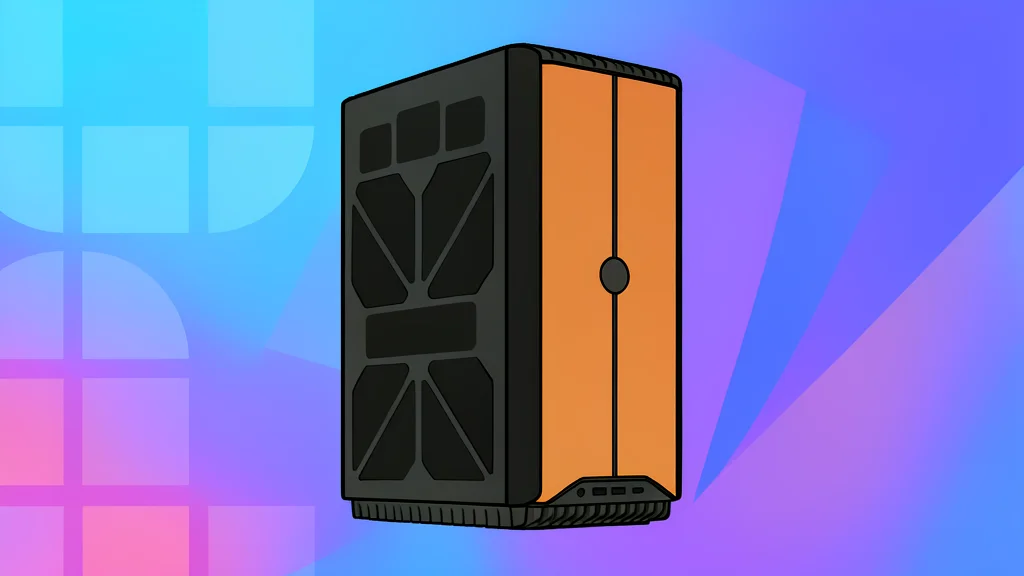
Arduino Adopts Zephyr as Its Standard Operating System
The stable release of Core-Zephyr marks a major shift in how Arduino manages its hardware ecosystem, though it leaves several popular boards behind.
Arduino has officially reached a significant milestone with the release of version 1.0 of its Core-Zephyr operating system. This update signifies that the open-source real-time operating system is now a fully supported and stable part of the Arduino platform. For developers, this means a new foundation for building reliable applications on compatible hardware, moving beyond the simple loop-based execution model that defined the platform's early years.
However, the transition is not without complications. As noted by GN technics/hardware, the move stems from Arm discontinuing support for its previous mbed operating system, leaving a gap in software support for modern microcontrollers. While Arduino successfully bridged this gap to keep its boards relevant, the result is a fragmented ecosystem where different chip families now rely on different underlying software stacks, complicating the once-unified developer experience.
Fragmented Support Across Hardware Boards
The primary consequence of adopting Zephyr is that it does not apply to all Arduino devices. The new operating system supports specific recent boards, such as those powered by Qualcomm processors, but it leaves out classic AVR boards, SAMD/SAM variants, Raspberry Pi Pico chips, and the popular ESP32 series. These excluded devices continue to run on the traditional Arduino Core or FreeRTOS, meaning developers cannot assume a single codebase will work across the entire product line.
This divergence creates a maintenance burden for users who invest in the platform. If you are planning a long-term project, the advice is to prioritize boards that support Core-Zephyr to ensure future-proofing. The trade-off is that the simplicity of the original Arduino promise—write once, run anywhere on any board—is no longer strictly true, requiring developers to carefully check compatibility before purchasing hardware.
Zephyr Remains Invisible to Beginners
Despite the name, the Zephyr operating system is largely hidden from the typical user. The software layer is designed to make Zephyr act as a background engine that simply enables the traditional Arduino Core functions to run, rather than exposing complex operating system features. For beginners, this maintains the familiar, low-barrier entry point that made Arduino successful, as they continue to use simple C functions without needing to understand kernel concepts.
While this approach lowers the initial learning curve, it raises questions about the platform's future direction. Critics argue that the operating system's capabilities, such as advanced multitasking, are underutilized on capable boards like the UNO Q and VENTUNO Q. The catch is that while the underlying technology is powerful, the user interface does not yet fully leverage it, leaving a gap between the hardware's potential and the software's accessibility.
Future Implications for Embedded Development
The long-term impact of this shift depends on whether Arduino chooses to expand its API to include more operating system-level facilities. If the company follows the same strategy that made physical computing easy, it may eventually expose multitasking and other advanced features in a simple, accessible way. Until then, developers working with high-end boards may find themselves limited to the basic functionality that has defined the platform for the last two decades.