Four Raspberry Pi Cameras Create Matrix-Style Wobble Effect
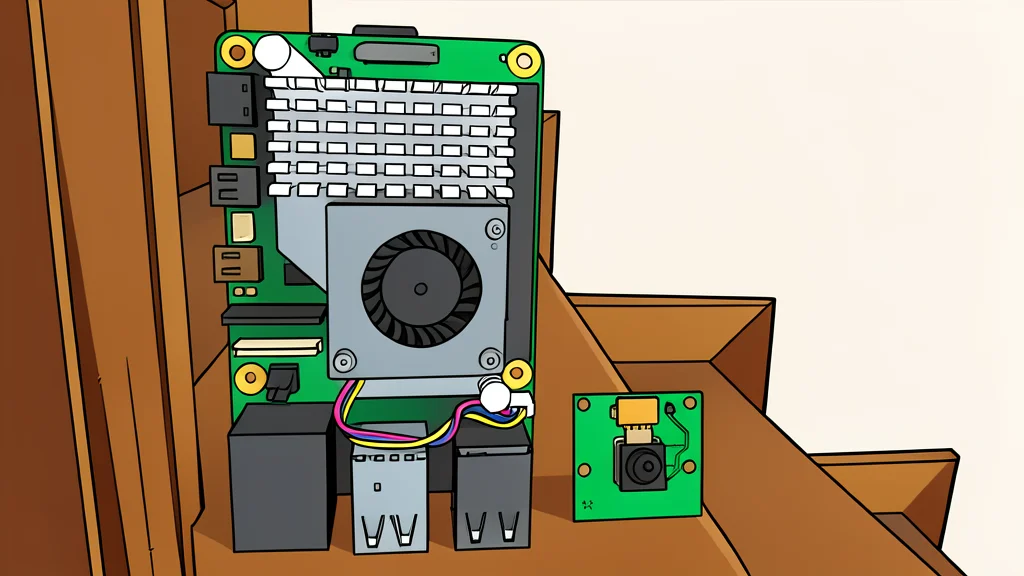
A DIY camera system uses four synchronized Raspberry Pi boards to capture a scene from multiple angles simultaneously, producing a unique visual effect often associated with high-budget film production.
A hobbyist has assembled a camera rig that captures images from four different angles at the exact same moment. By merging these simultaneous shots into a short animation, the device creates a visual effect that resembles the famous bullet-dodging scene from The Matrix. This approach relies on physical hardware synchronization rather than software interpolation, offering a distinct aesthetic that digital filters cannot easily replicate.
The project, shared by user Low-Junket9298 on the Raspberry Pi subreddit, utilizes four Raspberry Pi Zero 2W boards. Each board is paired with a camera lens, and all four units are hardware-synchronized to fire their shutters together. The result is a series of still images taken from slightly offset perspectives. When played back as a GIF, the minor differences in angle create a 'wobbly' or vibrating motion that freezes time in a stylized way.
Hardware synchronization drives the effect
The core of the device is a main Raspberry Pi unit that coordinates the other three camera nodes over Wi-Fi. This central unit ensures that all four lenses capture the scene at the precise same microsecond. The main board also features a 0.91-inch OLED status display and a 1.14-inch rear screen for live preview. It supports USB-C fast charging and offers approximately two hours of battery life, making it portable enough for casual use without constant tethering to a power source.
No build files released yet
While the visual results are striking, the creator has not yet published the code or build instructions for replicating the device. There are no GitHub links or detailed technical schematics available at this time. This lack of open-source documentation means that other enthusiasts cannot easily copy the setup. The project remains a proof of concept rather than a widely accessible kit, limiting its immediate impact on the broader maker community.
Trade-offs in complexity and cost
Using four separate computing boards adds significant complexity compared to a standard single-camera setup. The cost of the hardware is higher, and the management of four networked devices requires careful configuration. However, the trade-off is a unique visual style that stands out from typical smartphone photography. As reported by XDA Developers, this hack demonstrates the creative potential of low-cost single-board computers when combined with precise timing control.