Choosing Between MagSafe and USB-C for MacBook Charging
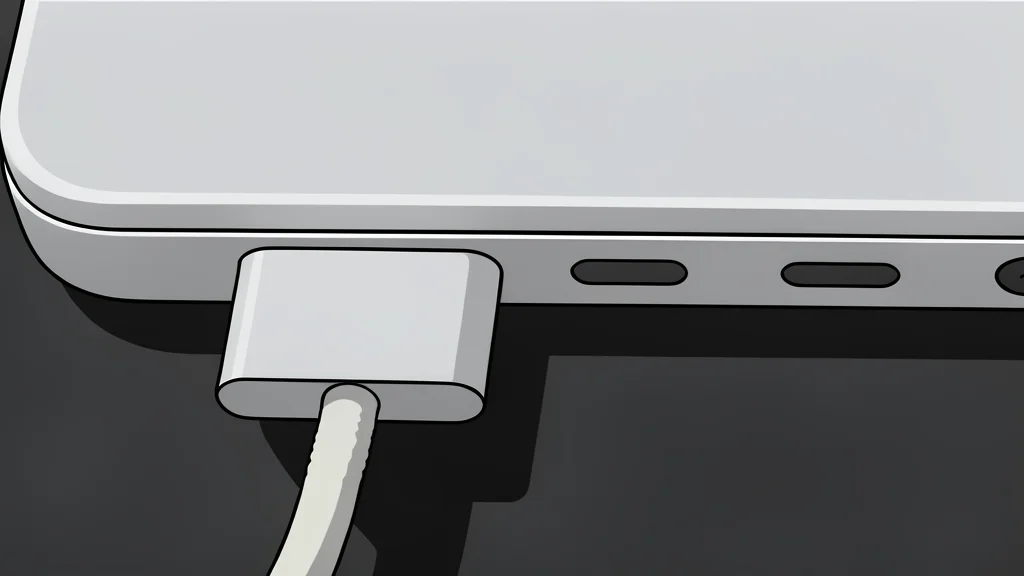
Apple’s magnetic connector offers safety and speed, but the universal USB-C port brings its own distinct advantages for modern users.
MacBook owners face a common dilemma when it comes to charging their laptops. Apple’s proprietary MagSafe connector and the industry-standard USB-C port both serve the same basic function, yet they offer different trade-offs in terms of safety, speed, and convenience. Understanding these differences is crucial for anyone looking to optimize their workflow or protect their hardware from accidental damage.
While both options can power your device, they are not interchangeable in every scenario. MagSafe is designed for a secure, magnetic attachment, whereas USB-C relies on a physical insertion that has become the global standard for data and power transfer. The choice between them often depends on whether you prioritize physical safety and fast charging or the versatility of a single universal cable.
Magnetic Safety Protects Your Laptop
The primary advantage of MagSafe is its physical security. Because the connector attaches magnetically, it is designed to detach immediately if the cable is pulled sharply. This simple mechanism prevents the laptop from being yanked off a desk or table if someone trips over the cord. In contrast, a standard USB-C cable is firmly seated in the port. If that cable is pulled with enough force, the entire computer can be dragged with it, potentially resulting in a costly drop.
Charging Speed Depends on Cable Choice
Power delivery also varies significantly between the two standards. For most recent MacBook Pro and Air models, MagSafe supports charging speeds of up to 140 watts, provided you use the correct power adapter. This allows for a 50 percent charge in roughly 30 minutes. Standard USB-C cables typically deliver 60 watts, which is half that rate. However, high-specification USB-C cables capable of 100 or even 240 watts do exist, though they are less common and often more expensive.
It is important to note that not all cables are created equal. While MagSafe is limited to Apple devices, USB-C is a universal standard. This means a single high-power USB-C charger can potentially power your Mac, iPhone, iPad, and other peripherals. For MacBook Pro models released after late 2023, USB-C can actually match or exceed MagSafe speeds at 240 watts, making the choice more nuanced for the latest hardware.
Universal Convenience for Travelers
For frequent travelers, the universality of USB-C is a major benefit. Carrying one single cable and charger that works for all your devices simplifies packing significantly. MagSafe, while excellent for its specific purpose, is exclusive to MacBooks. If you use non-Apple devices, relying solely on MagSafe means you must carry additional cables and adapters, adding bulk to your bag.
As reported by Engadget, the best approach often involves keeping both types of cables on hand. MagSafe remains the superior choice for daily desk use due to its safety features and consistent fast charging. However, USB-C is the practical winner for travel and multi-device setups. By understanding the specific strengths of each, you can choose the right tool for the job and avoid the frustration of incompatible or slow charging.