China's Humanoid Robots Enter Mass Production Era
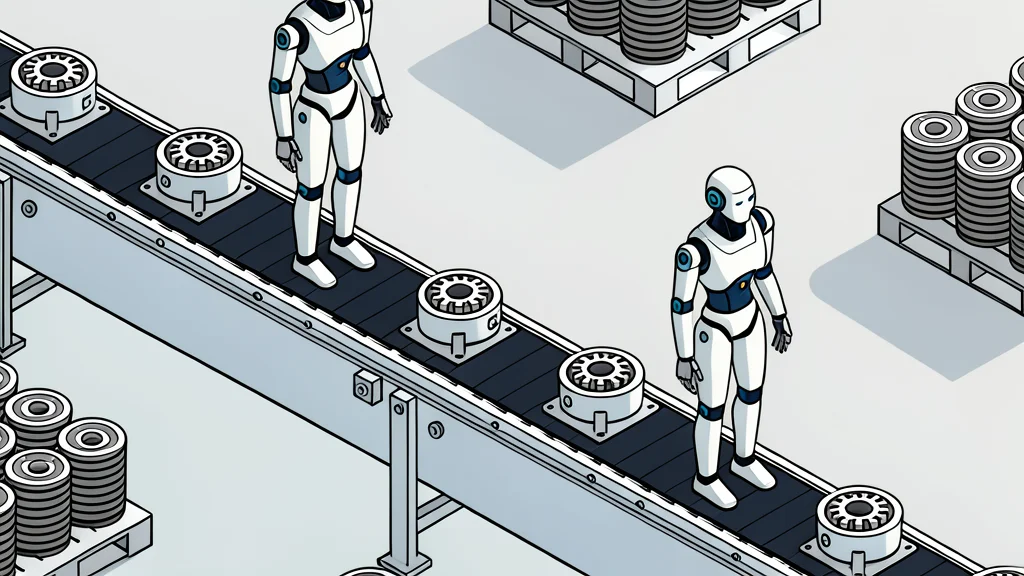
Chinese manufacturers are shifting focus from flashy demos to reliable volume, with two major firms now dominating global humanoid robot shipments.
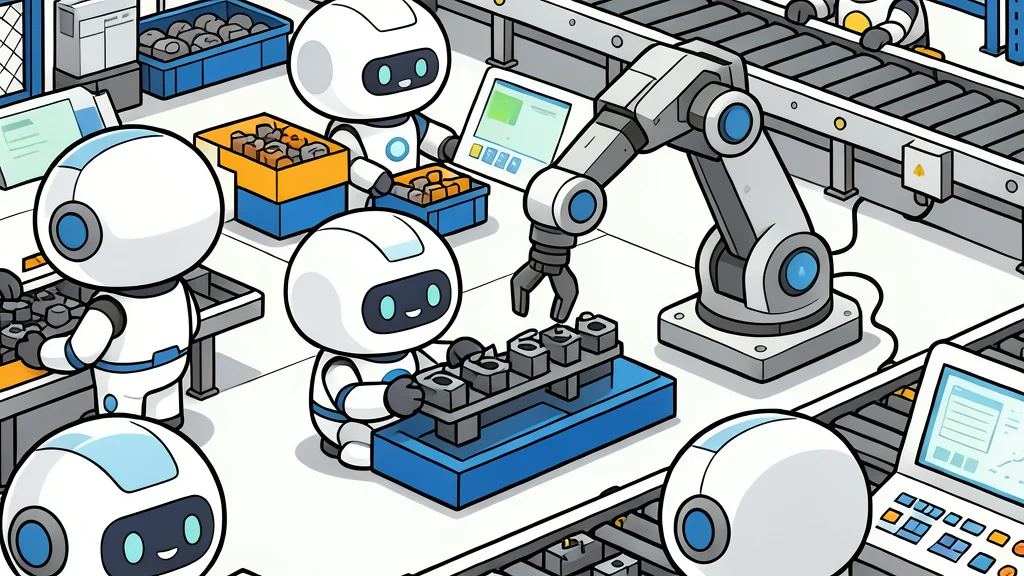
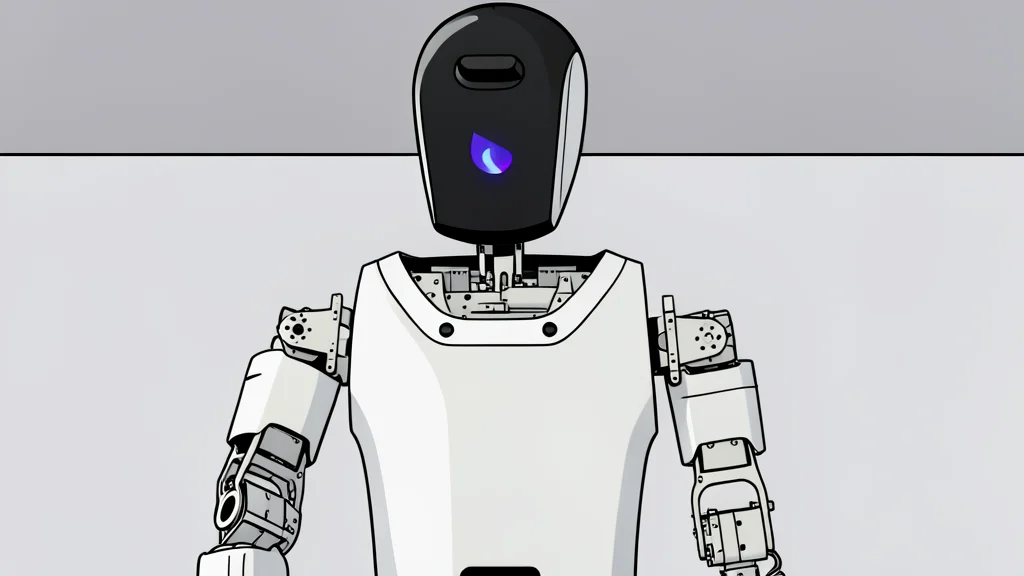
The Chinese humanoid robot industry has entered its first year of large-scale mass production, marking a decisive break from the era of exhibition prototypes. According to recent government signals, total output is expected to exceed 100,000 units this year, a figure that represents a more than fivefold leap compared to the approximately 18,000 units shipped globally in 2025. This surge indicates that the sector has successfully transitioned from a phase of conceptual innovation to one defined by industrial scalability and supply chain efficiency.
As reported by GN auto tech/robotics, the competitive landscape is consolidating around two dominant players. Unitree and Agibot together account for nearly three-quarters of global shipments in the first half of the year. This duopoly highlights a critical shift in the industry’s primary metric: the focus has moved from showcasing impressive technical parameters to demonstrating consistent delivery volumes, acceptable manufacturing yields, and stable performance in real-world operational scenarios.
Manufacturing Scale Defines New Barriers
The core challenge in this new phase is no longer about creating a single impressive demonstration unit. It is about the ability to mass-produce complex machines composed of thousands of parts that can operate reliably for thousands of hours. This requirement favors manufacturers with deep expertise in supply chain management, engineering precision, and cost reduction. Chinese companies are leveraging their established strengths in volume scaling to establish a significant competitive advantage over European and American peers, who have yet to match this level of production throughput.
This shift reflects a broader maturation of the embodied intelligence sector. The market is increasingly rewarding companies that can solve the practical problems of yield and durability rather than those that merely offer the most advanced theoretical specifications. The resulting industry structure is characterized by a clear separation between high-volume mass producers and smaller, differentiated players who compete on specific niche capabilities or specialized motion control algorithms.
Unitree Leverages Cost Efficiency
Unitree Technology has emerged as a global leader in this transition, leveraging its background in affordable quadruped robots to enter the humanoid market with a strong emphasis on cost-effectiveness. The company recently listed on the Shanghai Stock Exchange, achieving a market capitalization that peaked at nearly 445 billion yuan during its initial trading session. This financial milestone underscores investor confidence in Unitree’s ability to convert high shipment volumes into sustainable profitability.
Financial performance reflects this strategic focus. Unitree reported revenue growth of over 300 percent in 2025, with humanoid robot shipments exceeding 5,500 units, placing it at the top of global rankings. The company’s gross profit margin of over 60 percent demonstrates that aggressive pricing strategies have not come at the expense of financial health. This trajectory mirrors classic manufacturing patterns where volume scaling drives down unit costs, allowing for competitive pricing while maintaining healthy margins.
Market Consolidation Favors Volume Leaders
The dominance of Unitree and Agibot signals that the humanoid robot market is becoming less of a fragmented startup ecosystem and more of a structured industrial sector. While other firms like UBTECH and Fourier Intelligence continue to develop differentiated products, the sheer scale of the leaders is creating a significant barrier to entry. Smaller competitors must now compete not just on technology, but on their ability to secure supply chains and manage production costs at a scale that only a few currently possess.
For the broader industry, this consolidation suggests that the next phase of growth will depend on the ability of these leading firms to integrate their robots into diverse industrial workflows. The success of the first year of mass production will ultimately be judged not by the number of units sold, but by the extent to which these machines can replace or augment human labor in stable, high-value applications without prohibitive maintenance costs.