New ESP32-S31 Chip Adds Linux Support and Gigabit Ethernet
Espressif's latest microcontroller bridges the gap to single-board computers with native Linux support and high-speed networking.
Key points
- The ESP32-S31 supports native Linux operation using a full memory management unit and RISC-V cores.
- It features a gigabit Ethernet port and a USB 2.0 host controller, unlike typical microcontrollers.
- Espressif released a Linux board support package in August, though it is not yet for production use.
Espressif has introduced the ESP32-S31, a microcontroller designed to run Linux natively. The new chip targets users who need more power than standard boards offer but want the simplicity of a microcontroller.
It includes gigabit Ethernet and a USB 2.0 host controller, features usually found on single-board computers. XDA Developers notes that this device sits in a new category between basic chips and full computers.
Standard computer ports appear on the chip
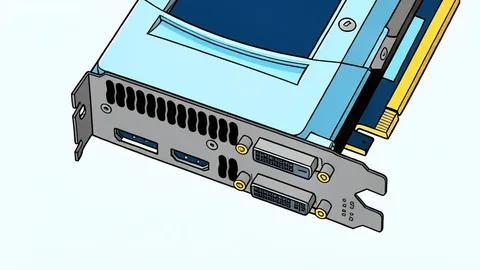
The ESP32-S31 packs a gigabit Ethernet MAC, which is ten times faster than the previous model. It uses a standard RJ45 connector, allowing direct wired network connections without extra hardware.
A full-size USB Type-A port is included, capable of supplying 500 mA in host mode. This allows users to connect peripherals directly. The board also features two SD card slots and a camera input for video capture.
True memory management enables native Linux
Previous ESP32 chips had a simple memory mapper. The S31 includes a full memory management unit with page tables. This hardware feature allows a standard Linux kernel to run securely in supervisor mode.
Espressif published a Linux board support package in August. It includes a kernel and file system. While not yet recommended for production, it proves the operating system works natively on the new hardware.
Powerful cores handle heavy computing tasks
The chip contains two 32-bit RISC-V cores running at up to 320 MHz. It supports up to 64 MB of PSRAM and 256 MB of flash memory. This is a significant upgrade from earlier models that shared memory interfaces.
The design includes a low-power core for background tasks. It also features hardware Bluetooth audio sync and touch channels. This makes it a versatile option for embedded projects requiring complex connectivity.