Samsung Plans Memory Price Hikes for Phone Makers
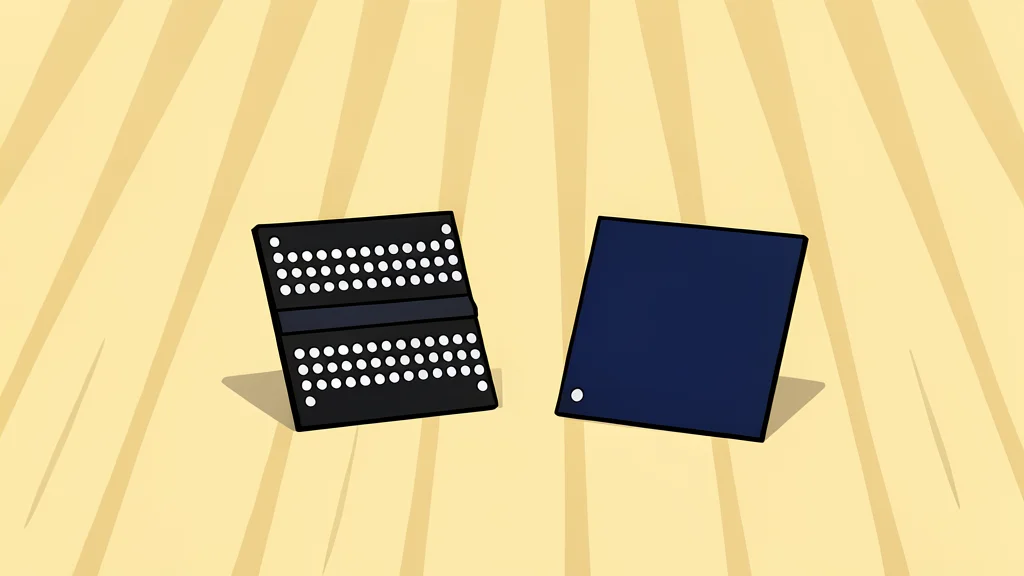
Smartphone manufacturers face rising component costs as Samsung prepares to adjust pricing for DRAM and NAND chips used in mobile devices.
Samsung Electronics is preparing to increase the prices of memory components for smartphone manufacturers, according to reports from the Korean publication Sisa Journal. The company’s device solutions division aims to raise the cost of DRAM and NAND flash by between 7% and 10%. This adjustment targets the specific memory chips used in mobile phones, distinguishing them from other high-performance memory products.
Negotiations with Chinese smartphone makers are already underway, with Apple expected to join discussions in the fourth quarter. Even Samsung’s own handset division will be subject to these new price structures. The move reflects a broader shift in the memory market, where manufacturers are prioritizing high-margin products for data centers and servers over the standard components needed for consumer electronics.
Manufacturers prioritize high-margin server chips
The primary driver behind these price increases is the strong demand for high-bandwidth memory and server-grade DRAM. Samsung, along with competitors SK Hynix and Micron, is currently generating significant profits from these high-performance products. As a result, production capacity is being directed toward these lucrative segments, leaving less supply available for the lower-power memory used in smartphones.
This shift in production focus creates a scarcity for mobile-grade memory. Manufacturers are effectively choosing to serve the data center market, which offers higher returns, rather than the consumer phone market. Consequently, phone makers are facing higher costs for the same components, a trend that may persist as long as demand for server memory remains robust.
Apple holds significant negotiating power
Apple’s position in these negotiations is stronger than that of many other competitors. Analysts estimate that Apple purchases twice as much NAND flash for its smartphones as Samsung and three times the amount bought by Xiaomi. This volume of purchasing gives Apple substantial leverage to resist price hikes or negotiate better terms.
While other manufacturers may have to accept the 7% to 10% increase, Apple’s scale allows it to challenge the proposed adjustments. This dynamic highlights the varying degrees of influence different brands hold over component pricing, with larger buyers able to exert more pressure on suppliers like Samsung.
Memory costs expected to stay high
Market research firm Omdia indicates that memory prices have risen sharply since last year and are expected to remain elevated. The cost of standard memory configurations, such as an 8GB RAM and 256GB storage combo, has increased significantly. These costs are projected to stay high until at least the first half of 2027.
The financial impact on smartphone manufacturers is substantial. As the cost of basic components climbs, companies may need to adjust their pricing strategies or accept thinner profit margins. This trend underscores the growing dependency of consumer electronics on volatile memory markets, where supply priorities for industrial use directly affect consumer device costs.