Five Sci-Fi Games Define 2026
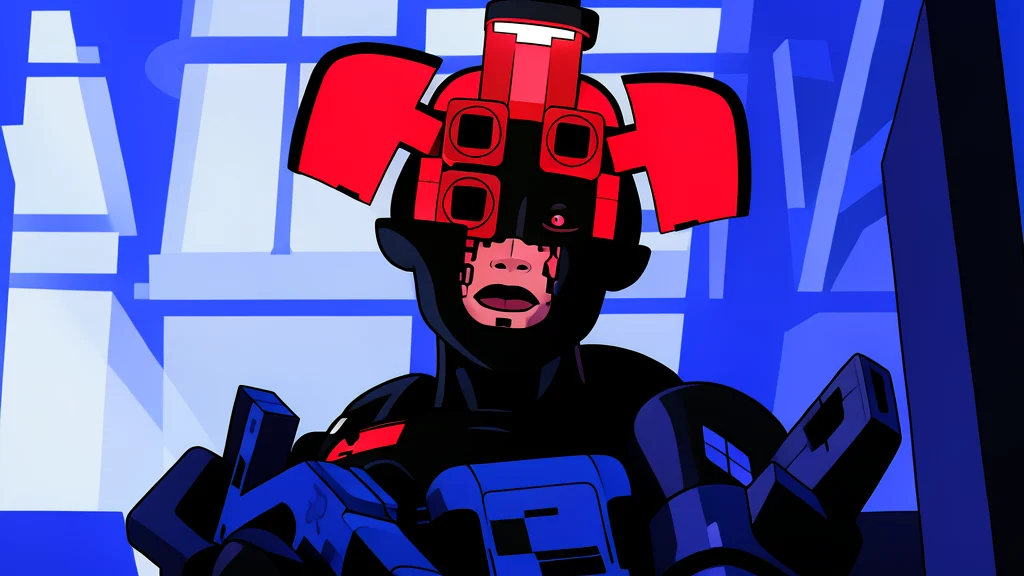
The first half of 2026 has delivered a standout lineup of science fiction titles, ranging from classic remakes to tactical debutants. While the industry awaits major releases like Grand Theft Auto 6, sci-fi has already secured a dominant position in the current gaming landscape.
Gamers have entered 2026 with high expectations, hoping the year would surpass recent standards. So far, the genre of science fiction has been the primary driver of this excitement. Developers are exploring diverse narratives, from epic space operas to intimate adventures, proving that the label encompasses a wide spectrum of experiences. The variety is striking, as the same genre accommodates everything from fast-paced shooters to cerebral puzzle-solving, satisfying a broad range of player preferences.
Halo Returns To Modern Hardware
Halo: Campaign Evolved marks a significant milestone for the franchise, bringing the original Master Chief story to a new generation of players. Built on the Unreal 5 engine, the remake offers enhanced visuals and new levels that even longtime fans have not seen before. It also introduces the story to PlayStation users for the first time. However, the title comes with a notable trade-off: competitive multiplayer is absent. The game focuses exclusively on a cooperative campaign mode for up to four players, a decision that may disappoint those seeking the traditional competitive experience.
Tactical Depth In Star Wars Zero Company
Star Wars Zero Company stands out as a tactical debut from Bit Reactor, a team with deep experience in the XCOM series. Released in late August, the game guides a squad of Clone Troopers through the end of the Clone Wars. Its gameplay hinges on resource management, where limited Action Points force players to make high-risk decisions during combat. Outside of battles, players can design astromechs and manage resources, ensuring that every choice carries weight. This structure creates a strong sense of agency, making the outcome of each skirmish feel genuinely dependent on the player’s strategy rather than chance.
Diverse Stories Drive Player Engagement
The success of these titles highlights a broader trend in 2026: a shift toward emotionally resonant storytelling within sci-fi frameworks. Zero Company, for instance, uses a bond system to prevent squad members from becoming disposable, encouraging players to invest in their well-being. Meanwhile, the broader market continues to benefit from developers leaning into sci-fi themes for varied gameplay mechanics. As noted by GN technics/gaming, the genre’s ability to adapt to different styles—from action to puzzle-solving—has made it a central pillar of the year’s best releases. The diversity ensures that there is a compelling sci-fi experience for nearly every type of gamer.