India Probes Apple over iOS 18 Hardware Damage Claims
Regulators in India are investigating whether a recent software update caused physical damage to iPhone displays and microphones, challenging standard warranty exclusions.
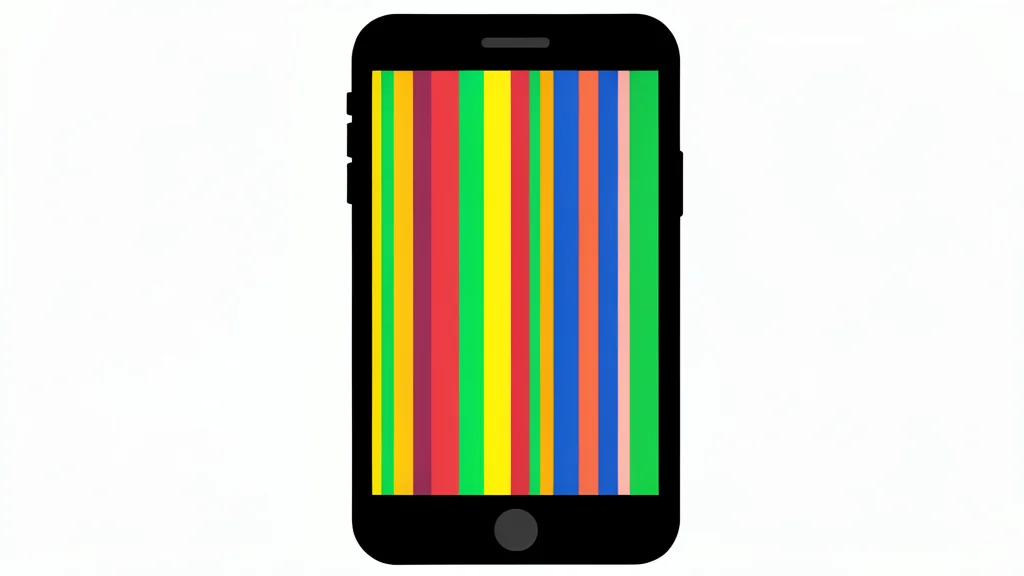
Indian authorities have launched a formal investigation into Apple, examining claims that the iOS 18 update caused physical damage to iPhone components. The Central Consumer Protection Authority (CCPA) ordered this probe after receiving reports that users experienced persistent colored lines on their screens and microphone failures following the software installation. This marks a significant escalation from previous complaints, which primarily focused on software glitches like freezing or sluggish performance.
The core of the new allegation is that a digital update triggered hardware degradation, a scenario that complicates responsibility. If the software is found to have damaged the physical device, it challenges the industry norm of excluding software-related issues from hardware warranties. According to reports cited by Android Headlines, some customers were asked to pay substantial repair fees, with one estimate reaching approximately $290, for issues they believe were induced by the update rather than manufacturing defects.
Regulators scrutinize warranty boundaries
The investigation hinges on a legal and technical distinction that Apple has long defended. The company argues that software is not covered under hardware warranties, a policy it claims is standard across the tech industry. However, the CCPA is examining whether this distinction remains fair when a software update is alleged to cause physical harm to the device. If the regulator concludes that the update was the root cause, Apple may face penalties or be required to reimburse affected users.
Apple has rejected the characterization of a systematic problem, stating to the regulator that iOS 18 underwent extensive testing before release. The company contends that it found no systemic issues or safety concerns in India and notes that the investigation is based on a relatively small number of complaints. Despite this denial, the probe highlights a growing tension between software accountability and hardware liability in the smartphone market.
Users report visual and audio faults
Complaints describing the alleged damage point to specific visual artifacts, such as green, pink, or white lines appearing on iPhone displays. These visual defects are distinct from simple software crashes or unresponsive screens reported earlier in the rollout cycle. Additionally, users have cited microphone malfunctions, suggesting that the issue may affect multiple hardware components. The shift from performance complaints to hardware failure allegations has drawn stricter regulatory attention.
The rollout of iOS 18 in late 2024 was initially met with reports of instability, including camera crashes and random freezing. While many of these issues were addressed or attributed to user error, the persistence of hardware-related complaints has kept the case active. The outcome of the CCPA's investigation could set a precedent for how software updates are treated when they allegedly impact physical device integrity.
Potential outcomes for Apple
If the investigation concludes in favor of the consumers, Apple faces several potential consequences. These could include paying a hefty penalty to the regulator, reimbursing the affected consumers for repair costs, or reconsidering its warranty policies regarding software-induced hardware issues. The company's stance on software testing and quality control will be under the microscope, with the investigation potentially revealing gaps in how updates are vetted for hardware compatibility.
For now, the case remains pending, leaving affected users in a state of uncertainty. The situation underscores the stakes involved when software and hardware interact in complex ways. As the probe progresses, the focus will remain on whether the evidence supports the claim that a digital update can be held responsible for physical damage, a question that could reshape consumer protection standards in the tech sector.