Diablo 5 Design Draws from Recent Remaster
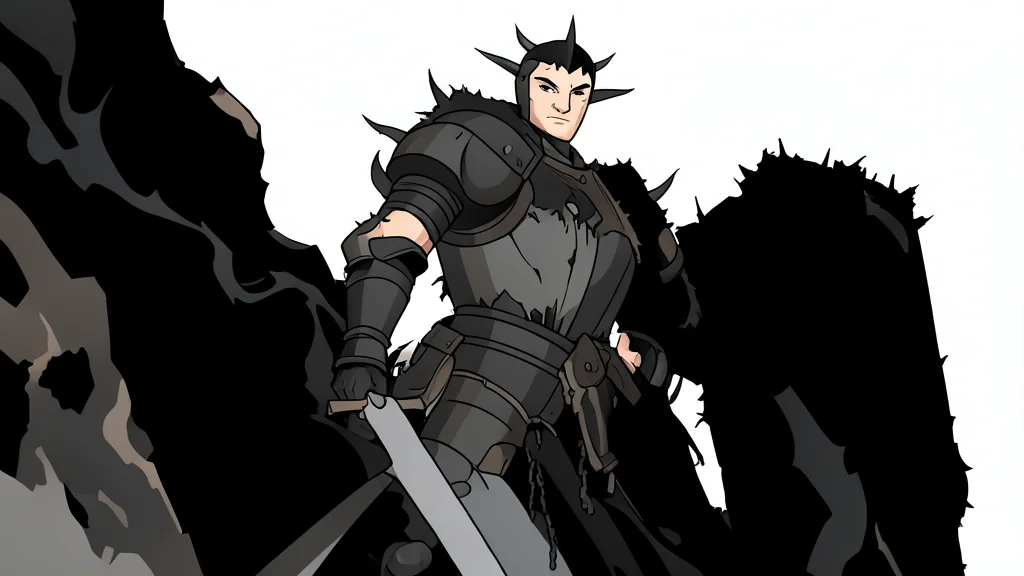
Blizzard is using the 2021 remaster as a bridge between classic mechanics and modern expectations for the upcoming sequel.
Blizzard Entertainment is building the foundation of Diablo 5 by leaning heavily on the 2021 release of Diablo 2: Resurrected. Senior game director Joe Shely explained that the team is not just looking at the original 2000 classic in a vacuum. Instead, they are using the recent remaster as a practical reference point to understand what players currently expect from the genre. This approach allows the studio to apply modern design sensibilities to the series' most beloved legacy features.
The decision to focus on Resurrected rather than just the original Diablo 2 is strategic. Shely noted that because the remaster exists alongside Diablo 4, it provides a contemporary lens through which to view older mechanics. This means the development team can extract lessons from the past while simultaneously addressing the needs of today's players. The goal is to create a sequel that feels both familiar and fresh, avoiding the trap of relying solely on nostalgia without modern polish.
Leveraging modern player expectations
According to Shely, the continued passion for the original Diablo 2 is what made the remaster possible in the first place. That same player engagement has now become a resource for the new title. By studying how modern audiences interact with the Resurrected version, Blizzard can identify which aspects of the old game still resonate and which need updating. This method ensures that the new game respects the history of the franchise while meeting current standards for gameplay depth and accessibility.
The director emphasized that this is not about simply copying old code. It is about understanding the design philosophy behind the mechanics that players still love. By looking at the remaster, the team can see how those mechanics function in a modern context. This allows them to refine the experience, ensuring that the core loop of combat and progression remains satisfying for players who are accustomed to the pacing and quality of recent releases.
Itemization remains central focus
A key area of inspiration is the itemization system. Shely highlighted that the structure of weapons, armor, and loot in Diablo 2: Resurrected is a core feature that will influence Diablo 5. The system in the original game is widely considered a gold standard for loot-driven role-playing games. By using the remaster as a baseline, the team can build upon a system that is already proven to be engaging and deep, while adding new layers of complexity and variety.
Bridging past and present
The trade-off in this approach is that the team must balance nostalgia with innovation. Relying too heavily on the past can make a game feel dated, while ignoring it can alienate long-time fans. By using the 2021 remaster as a middle ground, Blizzard aims to strike a balance that honors the legacy of Diablo 2 while delivering a modern experience. This strategy was reported by GN technics/gaming (en-US) as a significant part of the development philosophy for the upcoming title.
Diablo 5 is currently in development and is scheduled for release in Spring 2029. This long lead time gives the team ample opportunity to refine these ideas and ensure that the final product meets the high expectations of the community. The use of Diablo 2: Resurrected as a blueprint suggests a careful, iterative process that values player feedback and modern design trends. It positions the new game as a thoughtful evolution of the series rather than a mere reboot.