SATA Ports Offer Cheaper Storage Upgrade
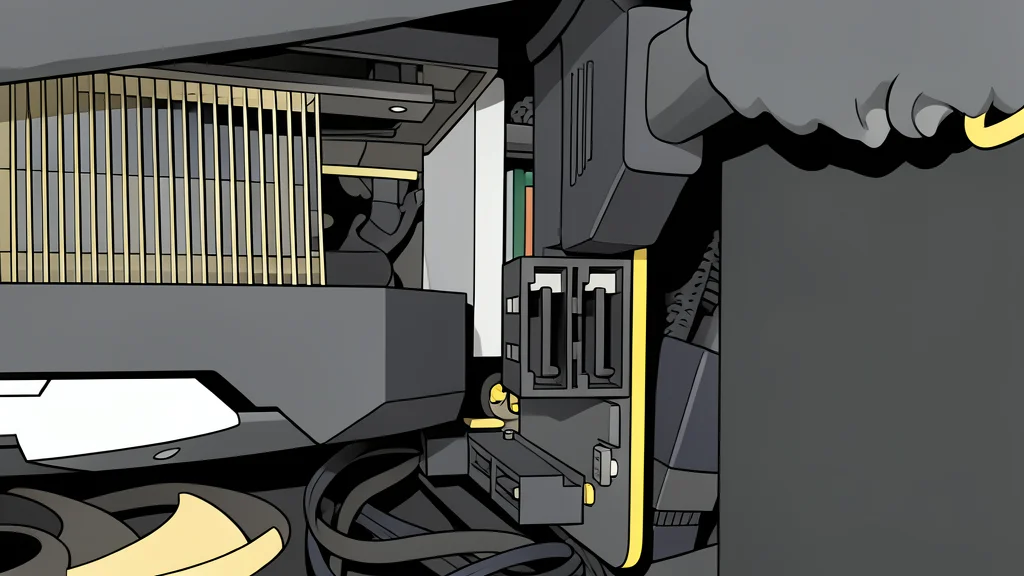
Skyrocketing NVMe prices have made traditional SATA drives a surprisingly viable alternative for budget-conscious upgraders.
The current market for solid-state drives has become a significant financial hurdle for many PC users. Prices for high-speed NVMe storage have surged dramatically, with a standard 1TB PCIe 4.0 drive now costing nearly triple what it did in early 2024. This inflation is not just a temporary glitch but a broader trend driven by rising NAND flash costs, leaving consumers facing a steep price tag for basic storage expansions.
For many, the solution lies not in the fast M.2 slots but in the often-overlooked SATA ports on their motherboards. As reported by XDA Developers, these legacy connections allow users to double their storage capacity at roughly half the cost of modern NVMe drives. While they lack the blistering speed of newer interfaces, they offer a practical and affordable way to manage large libraries without breaking the bank.
Legacy Ports Reduce Upgrade Costs
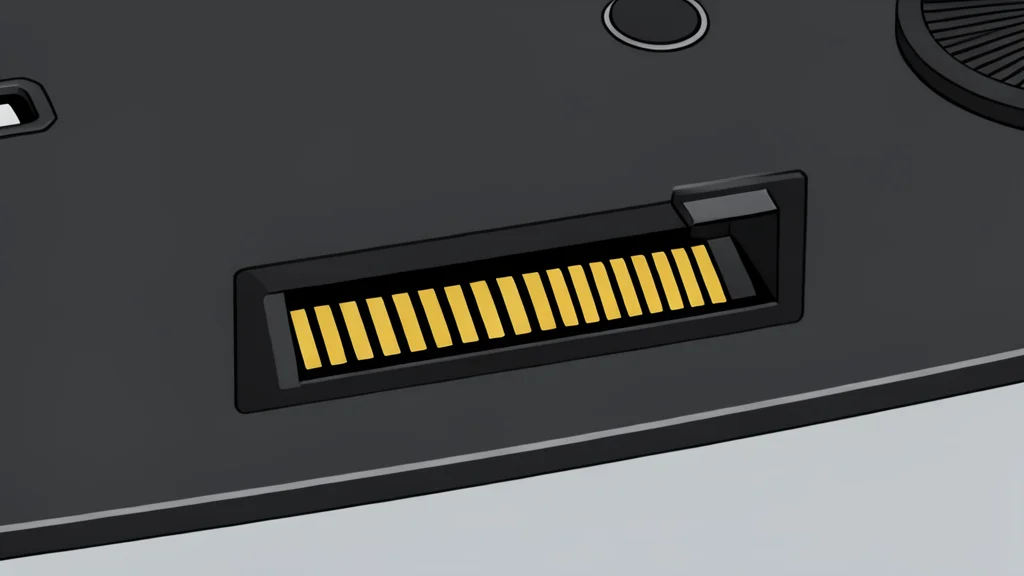
Many modern motherboards, including common B650M models, come equipped with multiple SATA ports that remain unused by the average user. These ports connect to standard 2.5-inch drives, which are significantly cheaper per gigabyte than their M.2 counterparts. By utilizing these available slots, users can add substantial storage space without the premium attached to high-bandwidth NVMe options.
The cost difference is stark. A 1TB SATA drive often costs around half the price of a comparable NVMe model. This savings allows users to purchase more total capacity for the same amount of money. For example, the price difference between a premium NVMe drive and a standard SATA drive could even cover the cost of a second drive, effectively doubling the available space.
Speed Trade-Offs Remain Noticeable
The primary trade-off for choosing SATA is speed. SATA interfaces are capped at a maximum transfer rate of about 550 megabytes per second, whereas NVMe drives can operate at multiple gigabytes per second. This means that loading large files or installing games will take longer on a SATA drive compared to an NVMe drive.
However, for many users, this speed difference is less critical than the cost savings. If the drive is used for storing photos, videos, or rarely played games, the slower sequential throughput is often imperceptible in daily use. The main benefit is keeping the fast NVMe drive reserved for the operating system and frequently used applications, ensuring the system remains responsive.
Optimal Use for Bulk Storage
The most effective strategy is to use a fast NVMe drive for the operating system and active applications, while moving bulk data to a SATA drive. This approach prevents the primary drive from becoming crowded, which can help maintain its performance and longevity. It also alleviates write amplification, a process that can degrade the lifespan of flash memory over time.
By offloading less critical data to the cheaper SATA storage, users can keep their high-speed drive free for tasks that benefit most from quick access. This balanced approach provides a practical solution to the current storage price crisis, allowing users to expand their systems without compromising their budget or the performance of their core software.