Wheeled Robot Offers Seniors a New Safety Net at Home
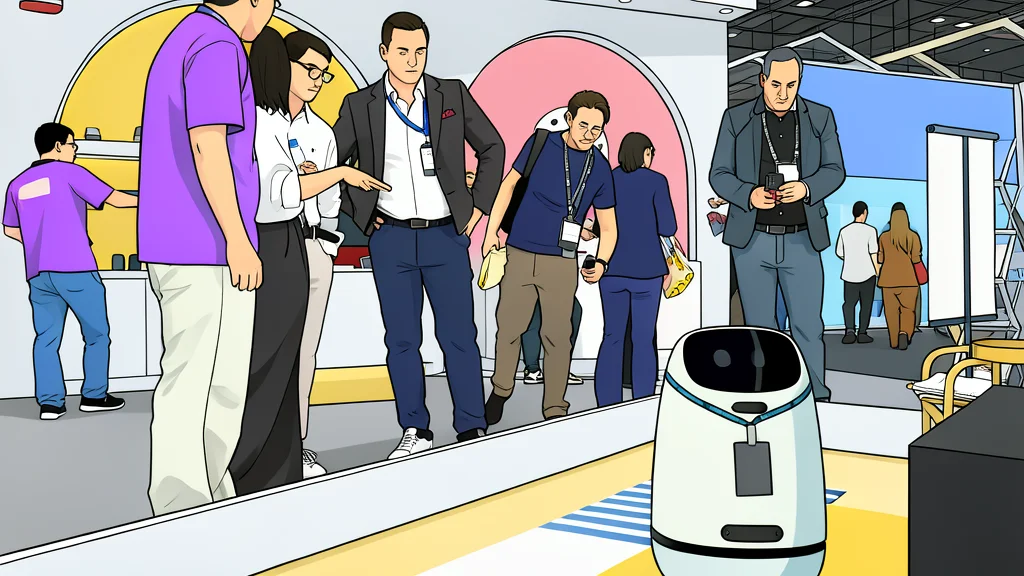
Tuya’s new Doova robot rolls to seniors in distress and connects family via video, but it does not automatically detect falls or call emergency services.
For many families, the fear of a parent falling unnoticed in their own home is a persistent worry. Tuya Smart has introduced a small, wheeled device called Doova, designed to address this gap. The robot, unveiled at IFA 2026 in Berlin, functions as a mobile companion that can move through a house, listen for calls for help, and bridge the gap between a senior and their family members during a crisis.
Unlike traditional medical alert systems that require a user to press a button or speak to a fixed base station, Doova can physically approach the person in need. It uses sensors to navigate the home and identify where a voice is coming from. If a user says, "Hey Tuya, help," the device rolls over to assess the situation and initiates a video call with designated family contacts if the user does not respond within a minute.
The robot requires a verbal trigger
A critical limitation of Doova is that it does not automatically detect falls. According to reporting from GN technics/ai (en-US), the device relies on the user to verbally request assistance. If a senior is unconscious or unable to speak, the robot will not initiate the emergency workflow on its own. It also does not directly contact professional emergency services like 911. This means it serves as an added layer of support for family coordination rather than a standalone medical monitoring system.
The system uses LiDAR technology for navigation and a four-microphone array to locate the source of a voice. Once it reaches the user, it checks for a response. If there is no reply after sixty seconds, it triggers the alert to the family. This design choice places the burden of the initial call for help on the senior, which may be problematic in severe medical emergencies where speech is impaired.
Companion features include conversational AI
Beyond emergencies, Doova is built to reduce isolation. It utilizes a multimodal large language model to engage in natural conversations, rather than relying on rigid voice commands. The robot can help seniors understand confusing bills or letters and even identify potential scam risks in messages. Tuya suggests this feature offers a second opinion for older adults who might be targeted by financial fraud.
However, users should be cautious about relying entirely on an AI for financial decisions. Artificial intelligence systems can make errors, and scammers are increasingly sophisticated. The safest approach remains verifying suspicious communications with a trusted human or independent source. The robot’s role is best viewed as a supportive tool for daily routines, such as medication reminders and schedule tracking, rather than a definitive guardian against all digital threats.
Trade-offs in autonomous home assistance
The device aims to help with everyday tasks, including finding misplaced items like keys or glasses, which is a common challenge for those with memory issues. Tuya plans to expand these capabilities over time. The appeal lies in the robot’s ability to learn user preferences, making its suggestions more relevant as it spends more time in the home.
For families seeking a safety net that feels more personal than a static button, Doova offers a distinct advantage. It brings a sense of presence and proactive engagement to the home environment. Yet, the trade-off is clear: it is a tool for connection and assistance, not a substitute for professional medical monitoring. Families must understand its limits, specifically regarding automatic fall detection and direct emergency dispatch, to avoid a false sense of security.