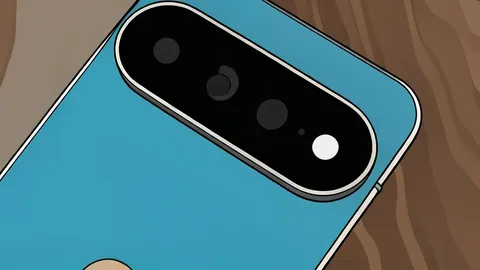
Apple Designs iPhone Duo Using Standard Notebook Proportions
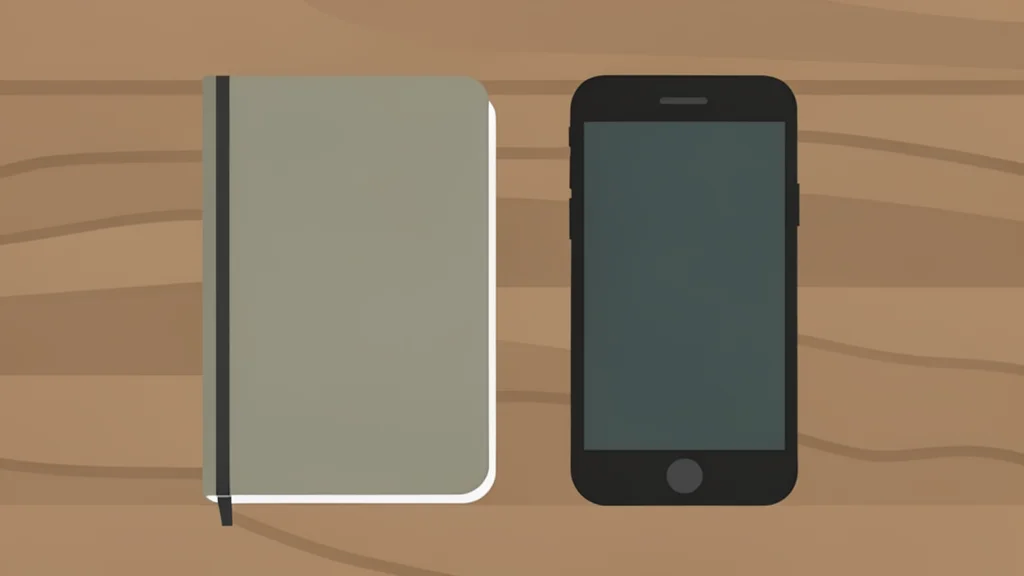
Apple's first foldable phone adopts a wide aspect ratio inspired by A-series paper standards to maintain a cohesive user experience.
Key points
- Apple based the iPhone Duo's proportions on A-series paper standards to ensure consistent ratios when folded.
- A specialized software animation expands the interface alongside the chassis to maintain a seamless user experience.
- Apple treats the new wide-format design as a starting point, expecting developers to find new use cases.
Apple has departed from the traditional book-style form factor for its first foldable smartphone, the iPhone Duo. Instead of mimicking existing competitors, the company modeled the device's proportions on a standard notebook, a choice driven by a desire to keep the device compact when closed while offering a significant workspace when opened.
This design philosophy relies on the consistent aspect ratios found in international A-series paper standards. By applying these specific geometric principles to the hardware architecture, Apple aims to prevent the transition from feeling like a shift between two entirely different devices, ensuring the phone feels cohesive in both its folded and unfolded states.
Designers use paper standards for ratio
Molly Anderson, Apple’s director of design, explained that the goal was to retain the tactile feel of a compact device while maximizing the usable screen area. The team looked closely at how A4, A5, and A6 paper formats maintain their proportions when folded in half. This specific mathematical relationship was directly applied to the iPhone Duo’s chassis to create a natural and intuitive physical shape.
The trade-off of this approach is that the device will have a distinctly wider and shorter profile compared to the tall, narrow screens of current folding rivals. While this may alter muscle memory for users accustomed to portrait-only interactions, it allows for a more stable and balanced layout that resembles common analog tools rather than just a larger phone.
Software bridges the hardware gap
To support this new hardware shape, Steve Lemay, vice president of interface design, emphasized that the internal display must not feel like a separate device. The software includes a specialized unfolding animation where the interface expands visually along with the chassis. This creates the impression that the external screen is gradually evolving into a larger workspace rather than abruptly switching to a new environment.
This synchronization between hardware and software is critical for usability. If the interface jumped instantly to a new layout, it would jar the user and break the illusion of continuity. By animating the expansion, Apple ensures that the transition feels organic, allowing the user to focus on their content rather than the mechanical act of unfolding the phone.
New format invites developer exploration
Apple views the current capabilities of the iPhone Duo as a starting point rather than a final implementation. The company anticipates that developers will discover unique use cases for the expanded display that were not originally envisioned during the design phase. This open-ended approach acknowledges that a new form factor will eventually drive new software behaviors.
As reported by hi-tech.ua, the core strategy is to make a high-tech mechanism feel like a familiar object. By retaining the feel of a standard iPhone in the hand while transforming it into a spacious workspace, Apple is betting on familiarity to drive adoption. Daily usage will reveal just how effectively this new concept can support diverse applications beyond the initial design intent.