Toyota Plans 400,000 Factory Robots by 2028
Toyota will introduce 150,000 wheeled humanoid robots in 2028, aiming for a total of 400,000 units across global plants.
Key points
- Toyota plans to deploy 150,000 humanoid robots at headquarters in 2028, scaling to 400,000 units globally.
- The company will invest approximately 6.4 billion US dollars annually to support this expansion.
- The wheeled ELEY robot is designed to work alongside humans, handling tasks like component picking and fabric folding.
Toyota Motor Corporation is set to introduce its first batch of humanoid robots into manufacturing operations starting next year. According to reports from Just Auto, the automaker plans to deploy approximately 150,000 units at its headquarters facilities in 2028, marking the beginning of a massive automation expansion.
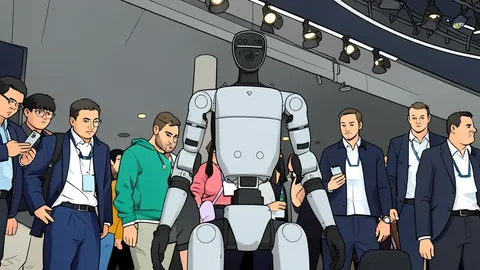
The initiative represents a significant shift in how the company approaches labor and production efficiency. Rather than replacing human workers entirely, Toyota intends for these machines to operate alongside employees in shared work areas, handling specific repetitive tasks while humans manage more complex oversight.
Massive annual investment required
To support this rollout, Toyota is reportedly committing to an annual investment of one trillion yen, equivalent to roughly 6.4 billion US dollars, starting in 2028. This financial commitment underpins the development and scaling of the robot fleet, which is expected to reach a total of 400,000 units across the group's 60 production facilities worldwide.
The deployment strategy is tied to existing factory upgrades. Robots will be introduced when new vehicle models are launched or when production capacity is expanded, allowing the company to integrate the technology into its standard operational cycle rather than requiring a complete overhaul of current lines.
ELEY robot design and capabilities
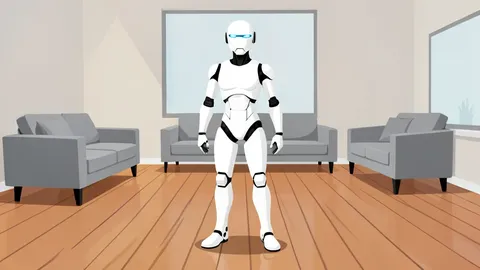
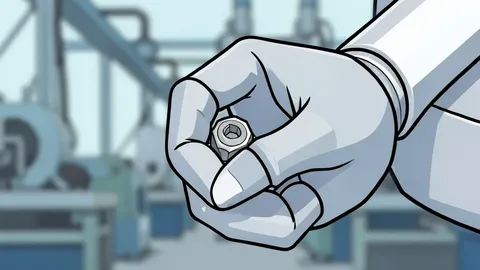
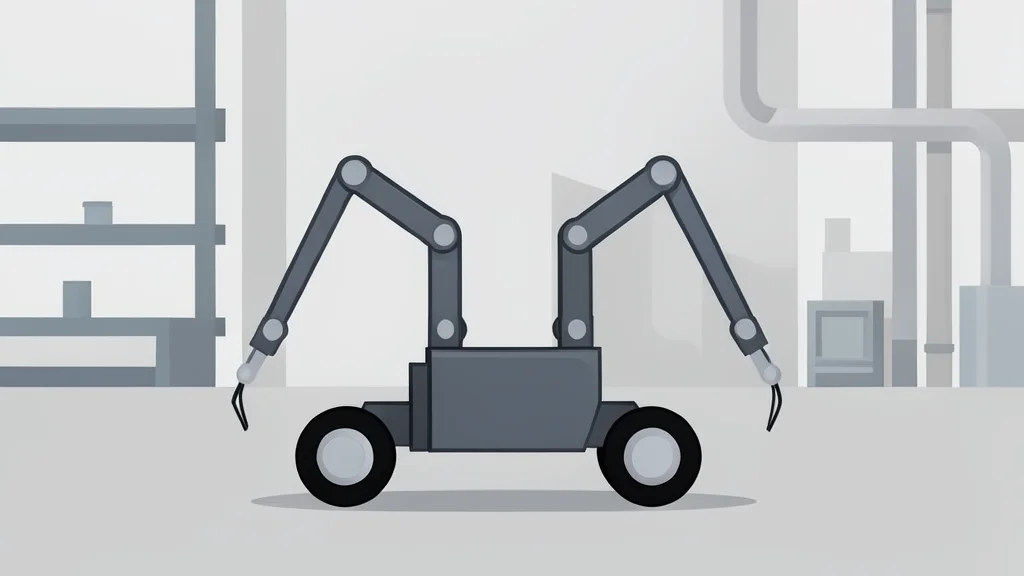
The primary unit in this initiative is the ELEY, or Embodied Learning robot for Enhanced Yield. It is a battery-powered, wheeled machine weighing approximately 50 kilograms. Its design is focused on practical logistics tasks, such as retrieving components from boxes and placing them at designated stations, as well as folding fabrics.
Shared learning and future training
Toyota is centralizing the data collected from these robots to improve their programming. As the machines learn the movements and tasks of current workers, this data will be used to train new units. The company envisions a future where these robots also assist in training new human employees, creating a symbiotic workflow where technology supports both production and workforce development.