Apple's iPhone Duo Software Strategy Faces Developer Hurdles
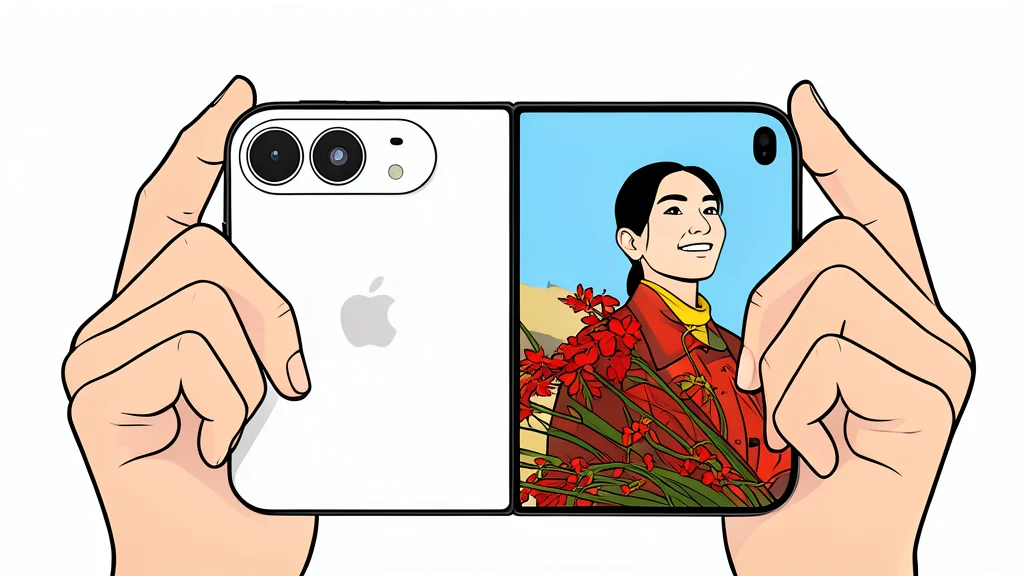
The new foldable phone requires apps to be rebuilt for a specific version, risking visual inconsistencies for early adopters.
Apple is betting that developers will quickly rebuild their applications to support the unique interface of the iPhone Duo. This new foldable device introduces a specific user experience that cannot be achieved by simply running existing software. Instead, apps must be recompiled for a specific version of the operating system to access the larger inner display and new interface components.
This approach creates a significant trade-off for users who buy the phone at launch. If developers delay their updates, many apps will not expand to fill the screen, resulting in black bars or limited functionality. According to reporting from GN technics/software (en-US), this strategy is a calculated risk to ensure the device feels distinct from other foldables on the market.
Rebuilding apps increases development workload
To use the new tab bar and other design elements, software must be updated to a specific system version. This means every developer who wants their app to look right on the Duo has to invest time in rebuilding their code. It is not a simple toggle; it is a substantial engineering task that must be completed before the app can fully utilize the hardware's potential.
The alternative would have been to allow existing tablet apps to run on the phone. However, Apple likely avoided this path because it would make the device feel like a standard Android foldable. By requiring a dedicated update, Apple ensures the interface feels intentional and polished, but it places the burden of compatibility squarely on third-party companies.
Compatibility layers were deliberately rejected
Allowing resizable tablet apps to run on the phone would have provided an immediate fallback for users. However, this method often results in a less smooth experience and can slow down the process of adding specific features for the new device. Apple chose to prioritize a unique, intuitive design over short-term convenience.
This decision means that the initial software ecosystem for the iPhone Duo will likely be fragmented. Some apps will look and feel native, while others may remain stuck in a legacy mode. Users should expect a period of adjustment where the full potential of the hardware is not yet available to all applications.
Gaming and split screen face limitations
One major concern is mobile gaming. Many players expect a full-screen experience when using a large internal display. If apps do not natively support the new dimensions, the experience may be hindered by unused screen space. While split-screen functionality can help mitigate this issue, it relies on the app being compatible with the new system architecture.
In the worst-case scenario, Apple might introduce a compatibility mode in a future update to help bridge the gap. For now, buyers should be aware that the software experience will likely improve over time as developers catch up. The hardware is ready, but the software ecosystem is still in a transitional phase.