Bangladesh Smartphone Ownership Hits 75 Percent in Latest Survey
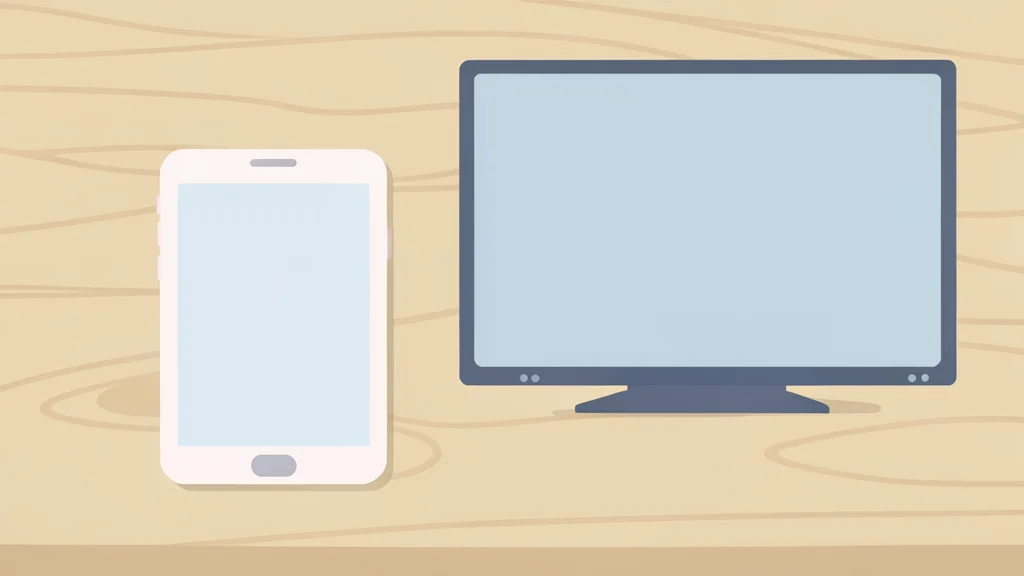
Digital access expands in Bangladesh as smartphone and TV ownership rise, though computer adoption remains low.
Key points
- Smartphone ownership in Bangladesh reached 75.1 percent of households in the fourth quarter of FY26.
- Computer ownership remained low at 9.1 percent, despite 99.0 percent of households owning mobile phones.
- Television ownership rose to 60.1 percent, while household internet access reached 58.2 percent.
Household digital adoption in Bangladesh has reached a new high, with smartphone ownership crossing the three-quarter mark in the latest quarter. According to data from the Bangladesh Bureau of Statistics, 75.1 percent of households now possess a smartphone, a steady climb from 72.4 percent in the start of the fiscal year. This shift signals that mobile devices are becoming the primary gateway for citizens to access online services and communication tools.
While mobile connectivity continues to dominate, the growth in basic computing power remains a distinct outlier. Although television and internet access have also expanded, the proportion of households owning a standalone computer has stalled at just over 9 percent. This disparity highlights a specific trade-off in the country's digital landscape: widespread access to mobile content does not necessarily translate into broad access to desktop computing capabilities.
Mobile devices dominate household connectivity
The data reveals that mobile phones are now ubiquitous, with 99.0 percent of households reporting ownership. This figure has remained stable for a year, indicating that the market for basic mobile devices is nearly saturated. The vast majority of these households, specifically 98.2 percent, rely exclusively on mobile phones, while fixed-line telephone ownership has become negligible at just 0.7 percent.
This heavy reliance on mobile infrastructure means that the quality of the mobile network directly impacts the digital experience for the entire population. Government officials have noted that the country currently has approximately 190 million mobile connections, with around 110 million subscribers using 4G services. The infrastructure supporting this includes more than 49,000 4G sites and a growing optical-fiber network, which serves as the backbone for these mobile services.
Television and internet access expand steadily
Television ownership also saw a significant uptick, rising to 60.1 percent in the fourth quarter of the fiscal year. This represents a year-on-year increase from 59.1 percent, suggesting that traditional broadcast media remains a central part of household life. Simultaneously, household internet connectivity reached 58.2 percent, a gradual improvement from 56.2 percent in the first quarter of the fiscal period.
Despite these gains in connectivity, the internet penetration rate is currently lower than the figure recorded in the same quarter of the previous year, which stood at 59.7 percent. This slight year-on-year dip suggests that while absolute numbers are growing, the pace of expansion may be slowing as the market matures. The Financial Express reported on these statistics, noting that the steady quarterly rises in smartphone and TV ownership reflect a broader trend of digital integration into daily life.
Computer ownership remains a minor exception
The most significant gap in the data is the stagnation of computer ownership. At 9.1 percent, the proportion of households with computers is unchanged from the start of the year and significantly lower than the rates for smartphones or televisions. This indicates that for most Bangladeshi families, the smartphone has effectively replaced the computer for everyday digital tasks, from banking to entertainment.
Government officials are aware of this imbalance and are planning to strengthen capabilities in software, hardware, and artificial intelligence to balance the digital economy. The aim is to move beyond simple connectivity to create a more robust digital ecosystem. However, the current data suggests that the average household is still heavily dependent on mobile-only access, a reality that shapes how digital services and public infrastructure must be designed.