Dumbphones Offer a Practical Escape from Constant Connectivity
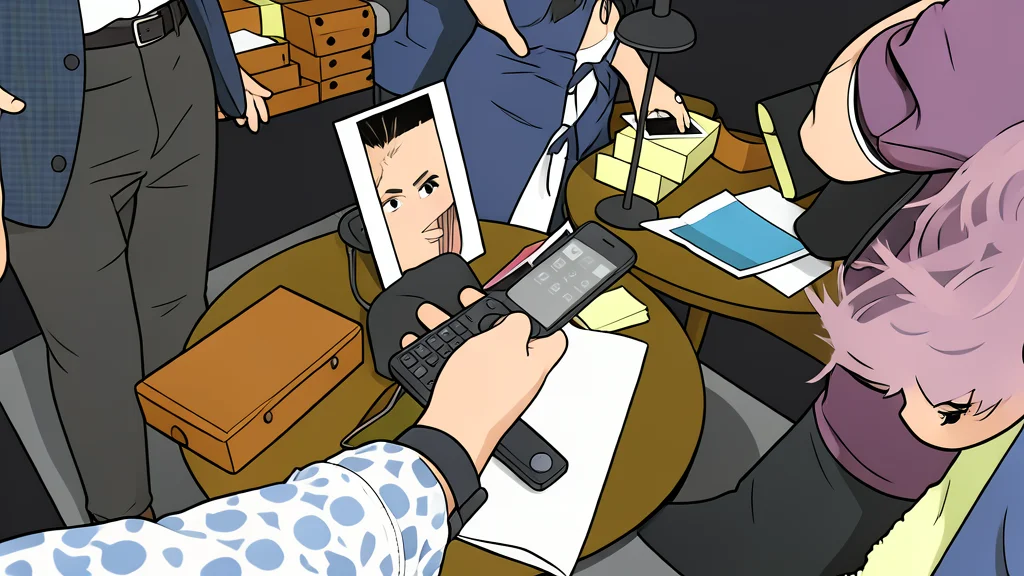
A new Washington D.C. company is selling simple phones to help users reduce screen time without giving up essential modern utilities.
Afrika Ebanks, the Director of Brand and Communications at Dumb.co, realized last December that she did not need a smartphone to function in daily life. The company, based in Washington D.C., sells basic mobile devices designed for those seeking a digital detox. It emerged from offline meetups that gained popularity on Ivy League campuses, addressing a growing desire among young adults to disconnect from the constant stream of digital notifications.
The devices are not relics of the past but functional tools for the present. They operate as standalone units or as companions to a primary smartphone via specific software. This setup allows users to retain critical functions like mapping, ride-hailing, and messaging while deliberately excluding addictive features such as social media and email. The goal is to provide a controlled environment where technology serves the user rather than the other way around.
Balancing utility with reduced distraction
The core trade-off is clear: users gain freedom from digital noise but must rely on a secondary device for full internet access. Dumb.co positions this as a solution to the anxiety many students feel when separated from their smartphones. By stripping away the layers of apps that consume time, the phone returns to its original purpose. It connects people to each other and to services without pulling them into endless feeds.
This approach acknowledges that completely abandoning smartphones is impractical for most people. The company emphasizes that users do not have to be purists. Instead, they can customize their experience by adding music streaming or call forwarding if needed. This flexibility makes the transition less daunting, offering a middle ground between total abstinence and constant connectivity. It is a practical compromise for those who feel their attention is being hijacked.
Younger users seek better sleep
Riley Maida, a student at the School of Public Affairs, tested a flip phone over the summer to combat her high screen time. She noticed immediate improvements in her sleep quality and found more time for hobbies like reading and songwriting. For many in her generation, the smartphone acts as a default response to boredom. Removing that immediate access forces a different kind of engagement with the world.
Maida recognized that while a full-time switch is difficult due to professional and academic demands, a partial break is manageable. She plans to use a physical container to limit phone access during school hours. This strategy highlights the broader trend among Gen Z, who are the first generation to grow up fully immersed in digital networks. They are uniquely positioned to recognize the cost of that immersion and seek balance.
Reclaiming time for human connection
The motivation behind Dumb.co is less about the hardware and more about the lifestyle it enables. Ebanks notes that the company values human connection above all else. The device is a tool to facilitate presence, creativity, and better relationships with technology. It is about the life lived when the phone is put away, not just the phone itself. This shift in perspective is driving the adoption of simpler tech solutions.
As reported by GN technics/mobile (en-US), this movement reflects a wider cultural shift toward analog activities and mindful technology use. While the devices may seem retro, they address a very modern problem: the erosion of attention. By offering a clear boundary between essential communication and digital consumption, these phones provide a tangible way to reclaim time. The catch is that users must actively choose to step away, a decision that becomes easier when the tool itself is designed to help.