First iPhone 18 Pro Teardown Reveals Battery and Camera Details
The iPhone 18 Pro has just launched, and a detailed look inside the device is already available. Early findings confirm the battery capacity and offer a clearer picture of how the new display design was achieved.
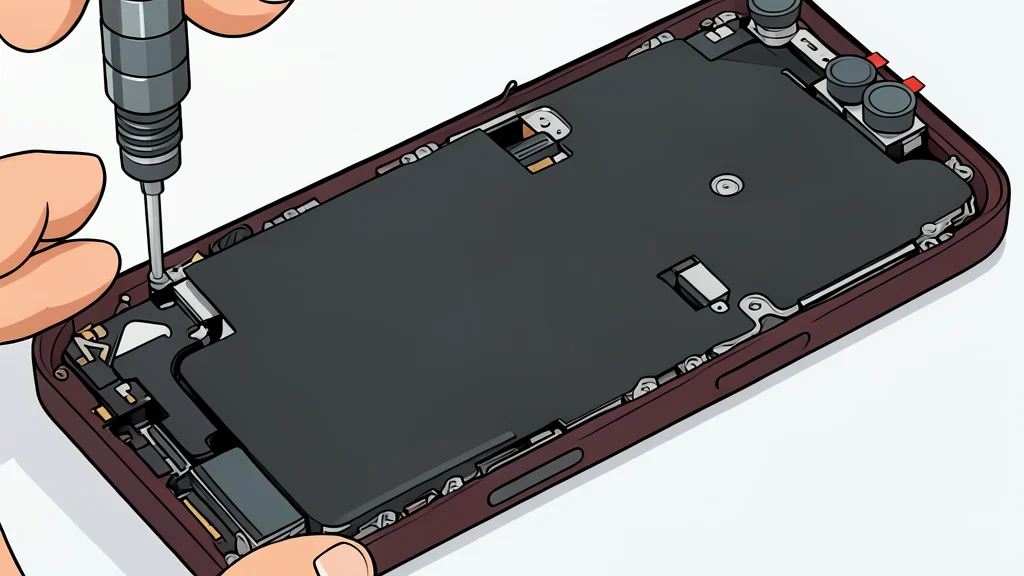
Apple has officially released the iPhone 18 Pro and iPhone 18 Pro Max, and the first technical breakdown of the standard Pro model is already circulating. While many more detailed analyses will likely appear in the coming days, this initial teardown provides the first concrete answers on internal hardware changes. The video, noted for its use of an artificial voiceover, guides viewers through the disassembly process, starting with the removal of the bottom screws and the display unit.
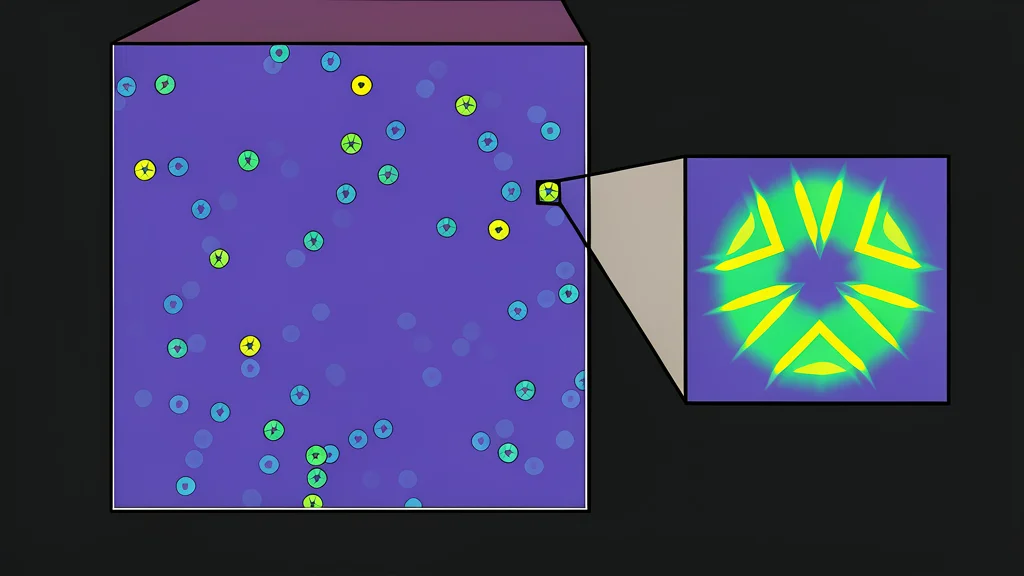
According to the analysis shared by GSMArena, the disassembly process involves standard techniques such as heating the device and using a suction cup to lift the screen. The most significant visual change is the reduction in the size of the Dynamic Island. This is not merely a cosmetic tweak but a structural shift, as the infrared camera has been relocated beneath the display panel. The pixels covering this new sensor area are distinct from the surrounding screen, a necessary engineering compromise to maintain the display's integrity while hiding the hardware.
Battery capacity matches expectations
One of the primary concerns for early adopters was the battery life of the new flagship. The teardown confirms that the iPhone 18 Pro contains a 4,056 mAh battery, a figure that aligns with previous industry leaks. This capacity is specifically noted for the model featuring a physical SIM slot. While the size remains consistent with expectations, the long-term performance will depend on the efficiency of the new processor and software optimizations, which are yet to be fully tested in daily use.
Camera housing size increases
The rear camera module appears physically larger than that of its predecessor. However, the analysis notes a crucial ambiguity: it is unclear whether this size increase applies to the sensor itself or merely the housing. The enlargement is likely driven by the addition of a variable aperture mechanism, a feature that allows the camera to adjust light intake dynamically. This hardware addition suggests a focus on improved low-light performance and depth of field control, but the exact impact on image quality will require extensive photography testing to determine.
Trade-offs in display design
Moving the infrared camera under the display to shrink the Dynamic Island is a clever engineering solution, but it comes with inherent trade-offs. The need for unique pixels over the sensor area indicates a complex layering of components. While this reduces the notch size, it may introduce subtle variations in how that specific area interacts with light or touch inputs. For most users, the visual difference will be minimal, but the underlying complexity adds to the manufacturing cost and potential points of failure compared to a standard top-mounted sensor arrangement.
As more detailed reviews emerge, the focus will shift from raw specifications to real-world usability. The confirmed battery size and camera housing changes provide a solid baseline, but the true value of the iPhone 18 Pro will be determined by how these components perform in sustained use. The initial teardown serves as a reliable starting point, confirming the hardware specifications while highlighting the engineering decisions that define the new design language.