Meta Muse Tops US iPhone Charts over ChatGPT

Meta's new Muse app has displaced ChatGPT as the most downloaded free iPhone app in the US, driven by aggressive marketing and a distinct conversational interface.
Meta’s recently launched Muse application has claimed the top position in the free iPhone category of the US App Store. This shift pushes OpenAI’s ChatGPT out of the first place, marking a significant moment in the competitive landscape of consumer-facing artificial intelligence tools.
According to reporting by 9to5Mac, the surge in downloads is not merely a result of the app’s initial release. Although Muse launched only this month, its rapid climb suggests a strong momentum in user acquisition. The app’s ranking has continued to improve beyond its debut week, indicating sustained interest rather than a temporary spike.
Distinction from standard chatbots
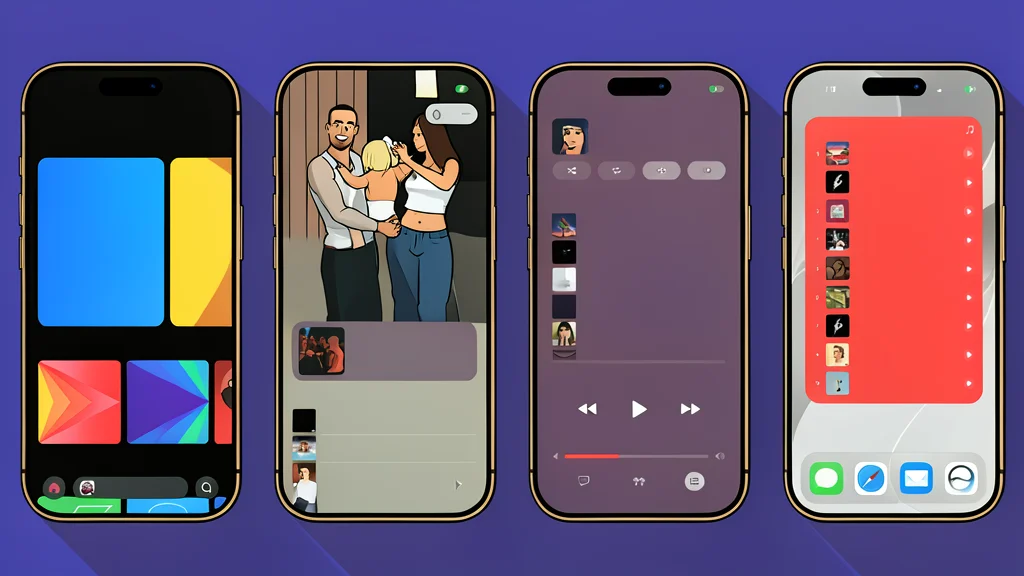
The primary differentiator for Muse is its approach to user interaction. Unlike OpenAI and Anthropic, which integrate agentic capabilities into their existing text-based interfaces, Meta has designed Muse to feel more like a casual messaging platform. The app assigns personified characters and visual appearances to its AI agents, aiming to make complex workflows feel less like technical tasks and more like conversations with a distinct entity.
This design choice reflects a broader industry trend where developers are rethinking how users engage with autonomous AI. By prioritizing personality and visual cues over raw utility, Meta is attempting to lower the barrier to entry for non-technical users who may find traditional prompt engineering intimidating.
Apple’s simultaneous Siri update
This development arrives as Apple rolls out its own major AI updates. The company has publicly launched a new version of Siri, which is integrated across iPhone, iPad, Mac, and Apple Watch through the OS 27 software releases. The updated Siri includes a dedicated chat application and can perform system-level actions, such as editing photos or using on-screen content as context for commands.
The timing creates a crowded market for AI assistants on Apple devices. Users now have the option to choose between Apple’s native assistant, which has deep integration with the operating system, and third-party apps like Muse, which offer a different stylistic approach to interaction. This competition could drive further innovation in how AI assistants handle everyday tasks.
Trade-offs in user experience
While the personified interface of Muse may appeal to some, it introduces a trade-off in directness. Users seeking precise, functional outputs without anthropomorphic flair may find the messaging-style interface less efficient than the structured prompts used in ChatGPT. Additionally, the rapid growth of Muse relies heavily on new installs, which may not translate to long-term retention if the underlying utility does not meet user expectations.
For consumers, the current landscape offers a wide array of choices, but each comes with specific strengths and limitations. The shift toward more character-driven AI agents represents a bet on emotional engagement over pure functional efficiency, a strategy that will be closely watched as these apps mature over the coming months.