Fujifilm Instax Link Wide 2 Adds Collage Tools and QR Codes
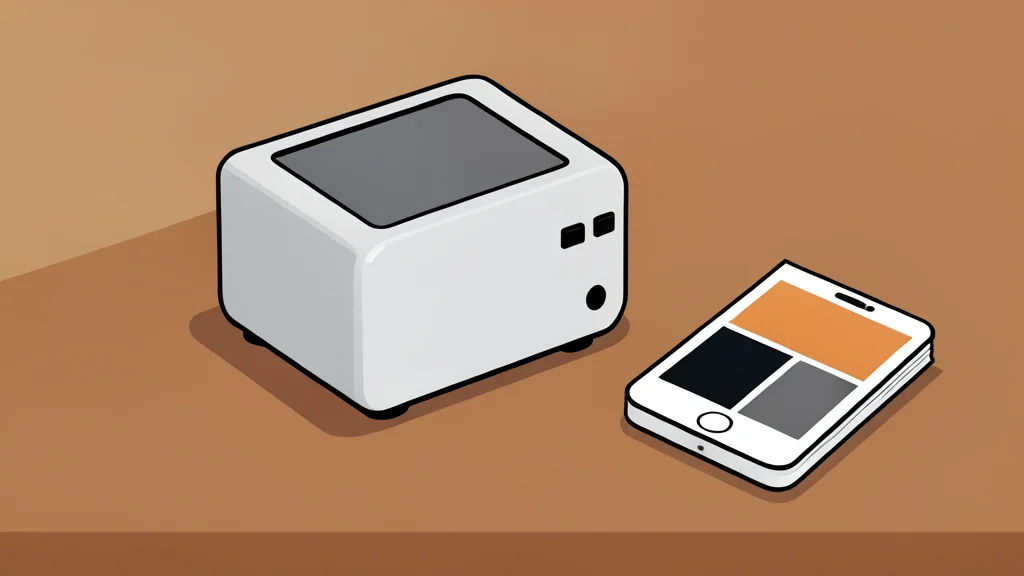
Fujifilm has released the second generation of its wide-format instant printer, introducing a software-driven approach to physical photo output that relies heavily on smartphone integration.
The new Instax Link Wide 2 device aims to solve the disconnect between digital capture and physical sharing by allowing users to print smartphone images onto Instax Wide film. According to reporting from GN technics/mobile (en-US), the core update is not in the hardware itself but in the accompanying application, which now offers a suite of editing and layout tools previously unavailable in the first-generation model.
Priced at $179.95 in the United States, the printer is set to launch in late September. While the hardware remains similar to its predecessor, the shift toward app-centric features marks a significant change in how users interact with instant photography technology, moving away from simple direct printing toward a more curated digital workflow.
New collage tools change the workflow
The primary addition is a feature called the Photo Mixer, which allows users to combine multiple images from their camera roll into a single collage layout. This function addresses a common limitation of earlier instant printers, which typically required users to edit collages in third-party apps before transferring the final image to the device. By integrating this step directly into the official app, Fujifilm streamlines the process for those who frequently print group photos or travel memories.
However, this convenience comes with a trade-off in flexibility. The mixer limits users to predefined layouts and allows up to five remixes before finalizing the design. While the app also offers over 1,600 stickers, filters, and text options, the reliance on these specific in-app tools means users cannot easily import complex edits created in professional software like Lightroom or Photoshop without losing the ability to use the mixer feature.
QR codes bridge digital and physical
Another notable feature is the ability to embed QR codes directly into the printed photo. These codes can link to web pages, locations, hidden messages, or even sound clips. This functionality turns the static print into a gateway for additional digital content, allowing users to share more than just a single image. It is a feature previously seen on Fujifilm’s Instax mini LiPlay+ camera, now extended to the wider format printer.
For many users, this represents a practical way to share event details or multimedia content without needing to hand over a phone. The catch, however, is that the utility of these codes depends entirely on the recipient having a smartphone capable of scanning them. In contexts where digital access is limited, the added QR code may simply occupy valuable space on the 3 by 5-inch print area, potentially distracting from the image itself.
Hardware constraints remain consistent
Despite the software upgrades, the physical printer remains tethered to a smartphone via Bluetooth for most operations. Users can also print directly from Fujifilm’s Instax Pal or X-T30 III cameras, but for the vast majority of consumers, the device functions as a peripheral to their mobile phone. This dependency means the printer is useless without a compatible device and a charged battery, a limitation inherent to all Bluetooth-connected instant printers.
The device continues to use standard Instax Wide film, which measures approximately 3 by 5 inches. This format is larger than the standard Instax Mini film, offering a wider aspect ratio that is often preferred for landscapes and group shots. However, the cost of the film itself remains a significant ongoing expense for frequent users, a factor that often outweighs the initial hardware cost in long-term usage.