High Gas Prices Fail to Boost US Electric Car Sales
Despite soaring gasoline costs, electric vehicle sales in the United States remain flat. A new industry report suggests that better charging access, rather than price spikes, is the key to changing consumer habits.
In the United States, rising gasoline prices have not translated into a surge in electric vehicle purchases. According to a new industry report cited by GN auto tech/ev, EV market share for the first part of 2026 stands at 5.37%, which is roughly 3% lower than the full-year average for 2025. This stagnation persists even as drivers face higher costs at the pump, indicating that sticker shock at the gas station is not the sole barrier to adoption.
However, consumer sentiment is shifting. The report highlights that Americans are becoming more open to owning electric cars in the future. Among non-EV drivers, fewer people intend to buy gas vehicles for their next car compared to last year. Additionally, a larger percentage of respondents said they would choose an electric car if the price and specifications were equal to those of a gas model. This suggests that while immediate sales are slow, the long-term trajectory of consumer interest is improving.
Charging Convenience Drives Adoption
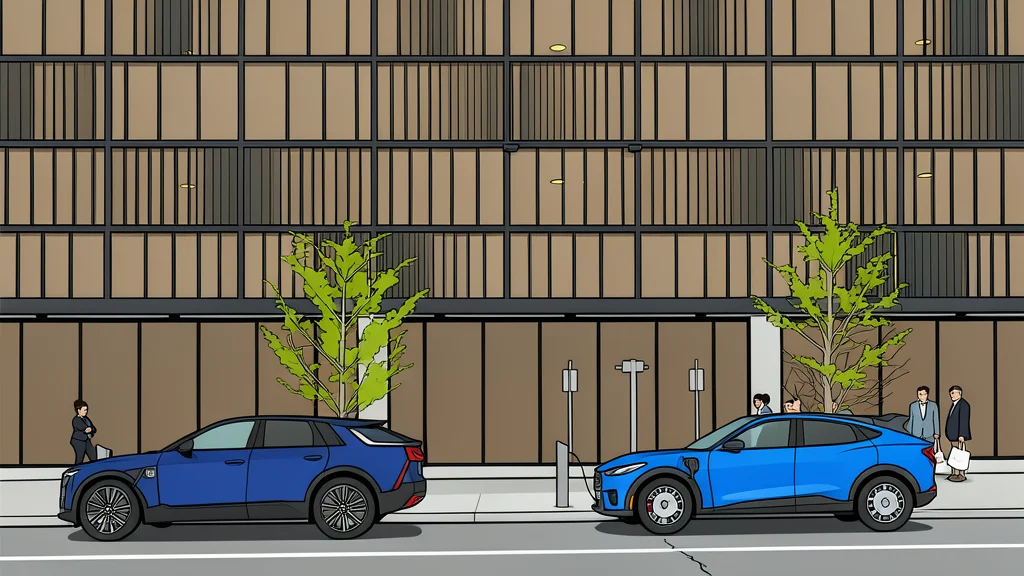
The report identifies charging convenience as the primary factor influencing purchase decisions. Positive perceptions of public charging availability have improved significantly, rising from 28% last year to 47% this year. Despite this progress, nearly half of consumers still do not view public charging as sufficiently available. The data suggests that making charging as routine as stopping for coffee or groceries is essential for mainstream adoption.
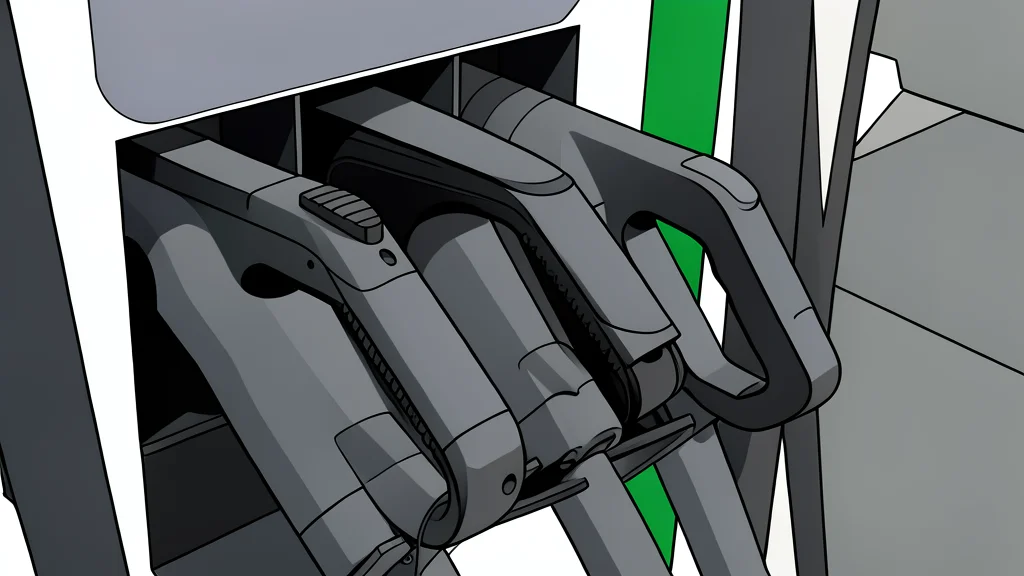
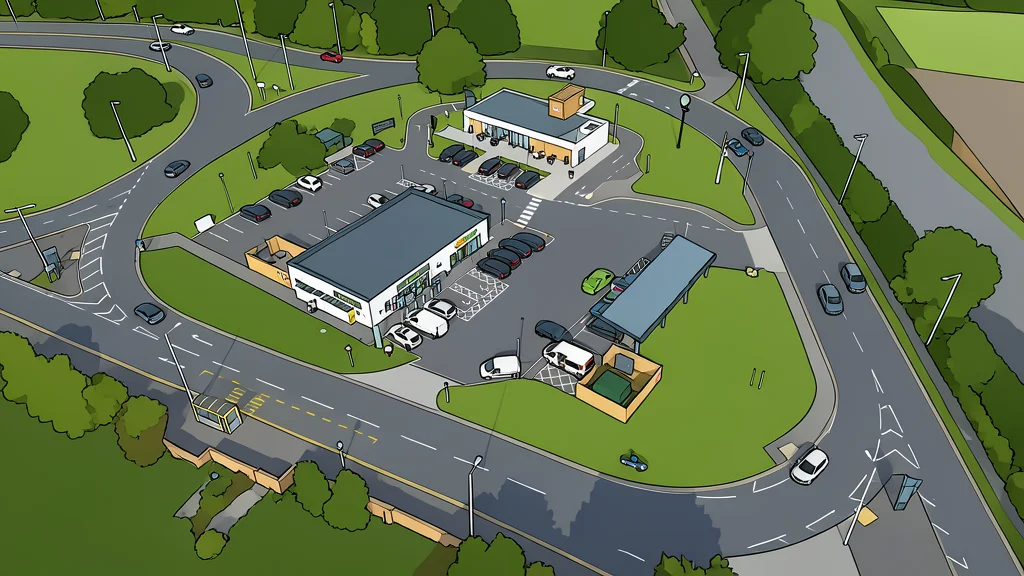
Infrastructure development is keeping pace with changing attitudes. The number of public charging facilities in the US has increased by more than 31,000 since the last major index release. Available charging power has also risen by 47%. Experts note that when charging is integrated into everyday errands, such as at convenience stores or travel centers, it reduces the anxiety associated with range and time, making electric ownership feel more like a standard part of travel rather than a separate logistical challenge.
Practical Benefits Attract Buyers
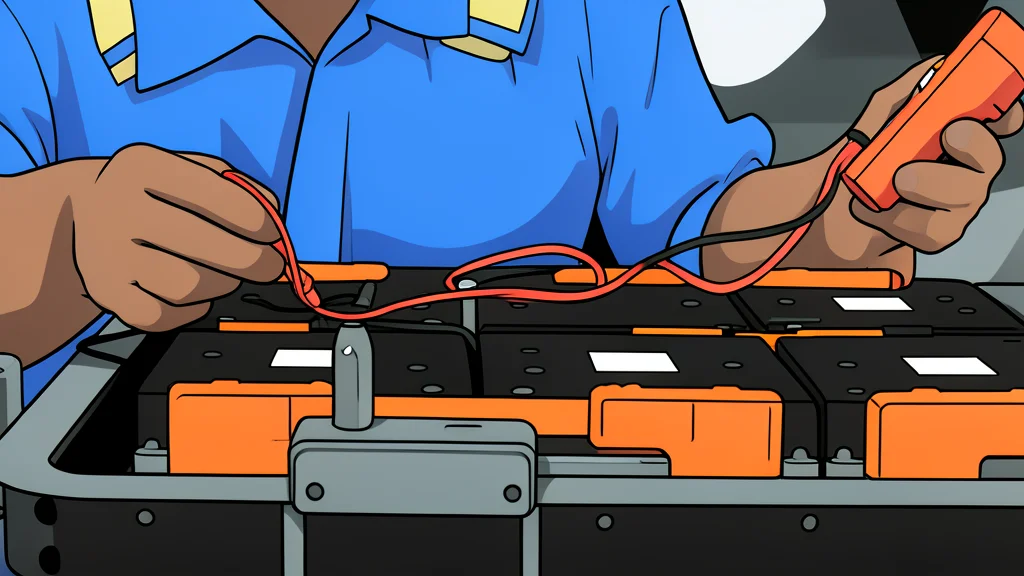
Beyond environmental concerns, practical economics are driving interest in electric vehicles. Owners report lower fueling costs and reduced routine maintenance, as electric cars do not require oil changes and often need less brake service. The report notes that many drivers find the vehicle range and charging experience better than expected. This positive real-world experience is contributing to a view of EVs as a practical and value-driven purchase rather than a niche product.
For residents of multifamily housing who lack access to home charging, reliable public infrastructure is even more critical. The shift in consumer behavior indicates that confidence in the daily experience of driving an electric car is a strong indicator of future sales. As more people test-drive these vehicles and see that performance meets or exceeds expectations, the gap between interest and ownership continues to narrow.
Market Signals Show Momentum
Recent search trends support the idea that interest is growing. Data from research firms shows an increase in searches for electrified models, with a notable jump observed in early March. This aligns with reports from the UK, where lead generation for electric vehicles rose as fuel prices increased. These signals suggest that while the US market is currently stagnant, the underlying demand is building, driven by a combination of cost savings, improved technology, and expanding charging networks.
The path to higher sales likely depends on continued infrastructure growth and positive consumer experiences. As the number of charging points increases and the convenience of using them improves, the remaining skepticism may fade. The report concludes that while the current sales numbers are flat, the foundation for a broader shift toward electric mobility is being laid through better infrastructure and changing consumer perceptions of value and reliability.