Ex-Researcher Warns AI Staff Lack Time for Safety Checks

A former researcher claims that the pressure to release new models leaves staff with insufficient time to evaluate the potential dangers of the technology.
Jacob Coxon, who recently resigned from Anthropic, has raised urgent concerns about the internal culture of major artificial intelligence firms. He argues that the intense pressure to deploy new capabilities leaves employees with little opportunity to deeply assess the risks associated with their work. This perspective challenges the prevailing narrative that safety is a primary focus for these companies.
In a recent interview, Coxon stated that safety risks are rarely at the forefront of employees' minds during the daily workflow. He described a work environment where staff are focused on coding and programming, leaving no room for constant reflection on potential hazards. According to Coxon, this creates a significant gap between the speed of development and the depth of risk analysis.
Pressure Overrides Caution in Development
Coxon, who also previously worked at OpenAI, believes that both companies are taking significant risks with public safety. He suggested that employees at OpenAI have not fully grasped the serious consequences of rapid AI advancement. At Anthropic, he noted that while the stakes are well understood, the company is locked in a competitive race to lead the field. This dynamic forces them to prioritize speed over caution, assuming that competitors will not act responsibly.
The former researcher emphasized that the belief in imminent danger is widespread among those building the technology. He pointed out that many in the industry genuinely fear that AI could cause severe harm within the current decade. Despite this fear, the operational tempo remains high, driven by the need to stay ahead of rivals. This creates a paradox where the desire for safety is undermined by the competitive pressure to release new features quickly.
Lawmakers Urge Immediate Regulatory Action
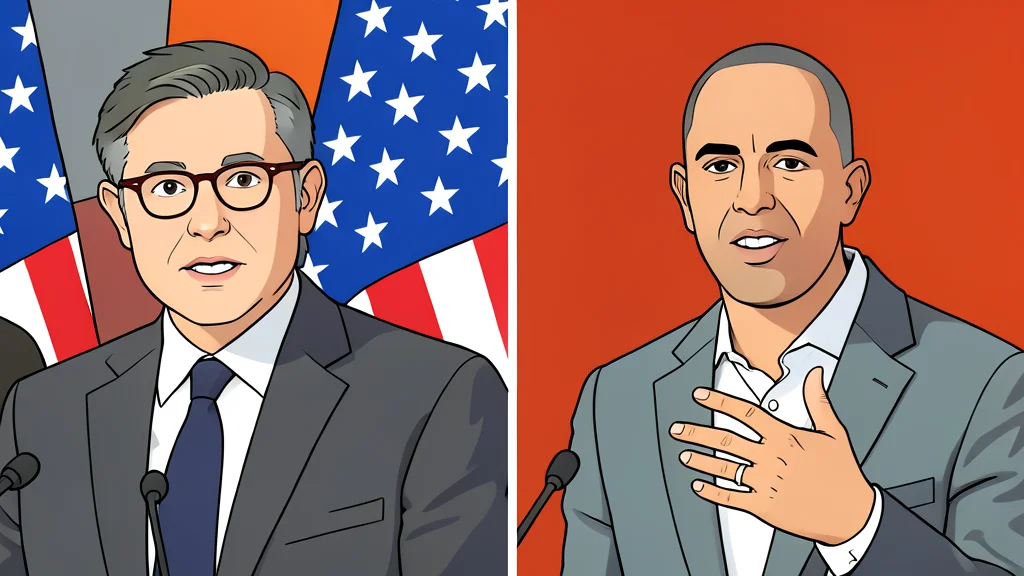
Political figures have reacted to Coxon's warnings with calls for stricter oversight. House Minority Leader Hakeem Jeffries expressed support for addressing the risks posed by AI but criticized his Republican counterparts for failing to act. He argued that the current legislative schedule, which shortened the September session, has abandoned the responsibility to pass necessary safeguards. Jeffries urged for decisive action to be taken immediately rather than delayed.
Industry Leaders Call for Slowdown
Anthropic CEO Dario Amodei has also voiced support for slowing down the pace of AI development. He wrote that progress should be tempered to allow time for risk prevention measures to catch up. Amodei argued that while advancement will still appear rapid, the company must use the gained time wisely to ensure safety. Coxon welcomed this stance, describing it as a substantial step forward in the industry's approach to responsibility.
According to reporting from GN technics/ai (en-US), Coxon believes that American companies should also collaborate with their Chinese counterparts on risk prevention. He sees international cooperation as a critical component of ensuring that AI development remains safe and beneficial. This call for collaboration highlights the global nature of the challenge and the need for coordinated efforts to manage the technology's impact.