Infinix GT 50 Pro Introduces Mechanical Triggers for Mobile Gaming
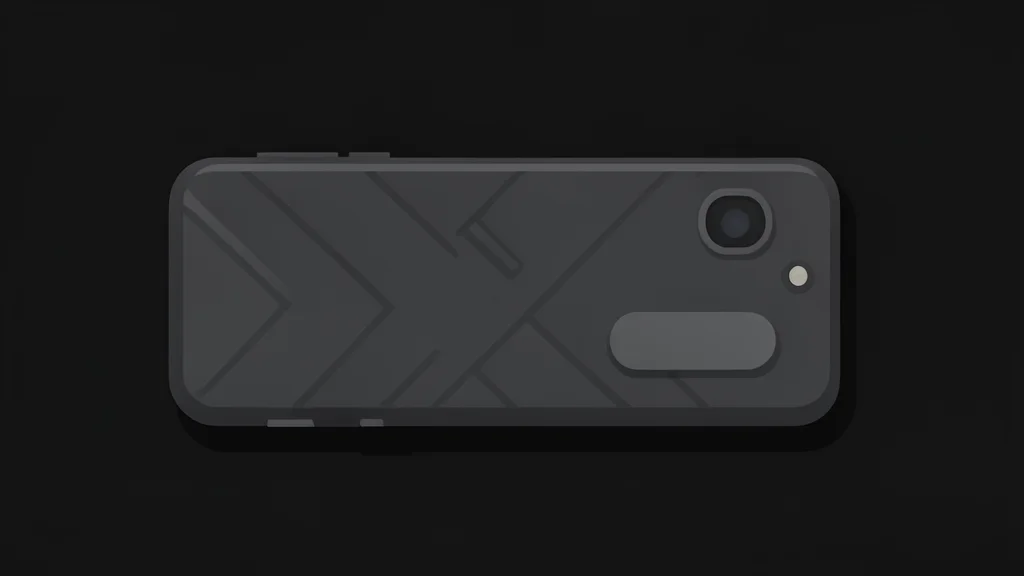
Infinix has released the GT 50 Pro, a smartphone designed specifically for competitive gaming with new mechanical controls and cooling systems.
Infinix has officially launched the GT 50 Pro in Nigeria, positioning it as a specialized tool for competitive mobile gaming rather than a standard smartphone. The device aims to address two common frustrations for dedicated players: overheating during long sessions and the lack of precise physical controls. By introducing mechanical side buttons and a new cooling architecture, the company is trying to bridge the gap between casual phone use and console-like precision.
The release marks a shift in how Infinix approaches its hardware, focusing on what the company calls the New GT Ecosystem. This ecosystem is designed to support hardcore gamers who need consistent performance and low latency. According to reporting from GN technics/gaming, the phone is not just a spec sheet upgrade but a strategic effort to make the smartphone form factor more suitable for high-stakes play where milliseconds and heat management determine the outcome.
Mechanical buttons replace touchscreen inputs
The most noticeable change is the addition of dual mechanical triggers on the side of the device. These are not simple buttons; they feature pressure-sensitive technology that distinguishes between a light tap and a heavy press. This allows players to assign different actions to different levels of force, such as firing with a light press and aiming with a heavy one. The system also supports sliding gestures, which can be used for quick commands like taking screenshots or managing memory without touching the screen.
This design is intended to support complex grip styles, often referred to as claw grip, which are popular in competitive shooters. The triggers are built to withstand over three million presses, and the company claims latency remains below 20 milliseconds. For the reader, this means a more tactile and responsive experience compared to relying solely on glass touchscreens, which can be slippery and less precise during intense moments. The trade-off is that the phone is physically bulkier and more specialized, making it less versatile for non-gamers who may find the extra hardware unnecessary.
Cooling system targets thermal throttling
Overheating is a persistent issue for gaming phones, often leading to reduced performance as the device protects itself from damage. The GT 50 Pro introduces a system called HydroFlow Liquid Cooling, which uses active circulation to dissipate heat more effectively. This is critical for maintaining high frame rates during long competitive matches. If the phone gets too hot, it may lower its performance to stay cool, resulting in lag or stuttering that can cost a player the game.
By prioritizing thermal management, Infinix is targeting the frustration of players who see their device slow down mid-match. The cooling architecture is designed to keep the processor stable, ensuring that the hardware does not become the limiting factor in a player’s skill. This approach suggests that the phone is built for sustained intensity rather than short bursts of activity. However, aggressive cooling systems can sometimes increase noise or power consumption, which is a trade-off users should be aware of when relying on the device for extended periods.
Ecosystem integration and user control
The GT 50 Pro is also part of a broader ecosystem of accessories and peripherals. This includes AIoT devices that are meant to work seamlessly with the phone. The goal is to create a unified environment where gaming, communication, and control are integrated. For users, this means potentially smoother experiences when switching between tasks, such as checking messages or managing settings while playing. The company emphasizes that this setup is designed to reduce distractions and keep the focus on performance.
However, this specialization comes with a caveat. The features are tailored for a specific type of user: the dedicated gamer. For the average consumer, the mechanical triggers and complex mapping options may offer little value. The phone is best suited for those who are willing to invest time in customizing their controls and who play games that benefit from precise, low-latency inputs. It is a niche product that prioritizes competitive advantage over general-purpose utility, appealing to a segment of the market that has felt underserved by traditional smartphone designs.