iPhone 18 Pro Max Cooling Matches Gaming Rivals
New thermal testing suggests the latest Apple flagship rivals high-end Android gaming phones in heat management.
The iPhone 18 Pro Max is reportedly cooling as effectively as the most powerful Android gaming smartphones, according to new independent thermal testing. This is a significant shift, as previous generations of iPhones often ran hotter than their competitors under sustained load.
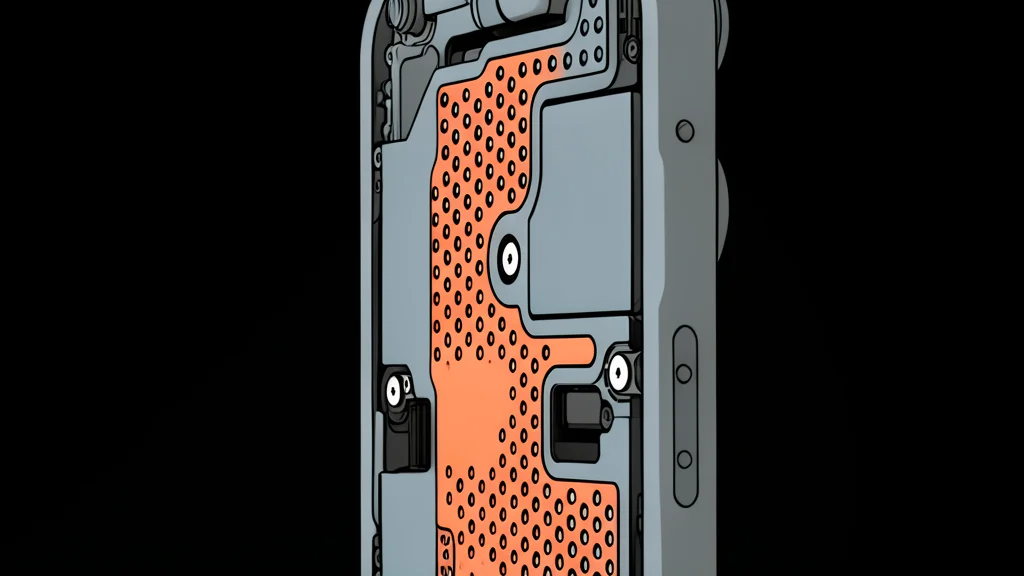
The device achieves this performance through a new vapor chamber cooling system. While it does not include a physical fan, its passive cooling architecture allows it to sustain higher power output at lower temperatures than many rivals that rely on active airflow.
Passive cooling outperforms active fans
Testing by tech reviewer Geekerwan, reported by GN technics/mobile, compared the iPhone 18 Pro Max against devices like the OnePlus 15 and the iQOO 15 Ultra. The iPhone 18 Pro Max maintained a power limit of 5.9 watts while keeping its surface temperature at 44.3 degrees Celsius.
In contrast, the iQOO 15 Ultra, which features a dedicated cooling fan, ran at 47.2 degrees Celsius with the fan off. When the fan was enabled, the phone increased its power limit to 7.3 watts but only reduced the temperature to 46.2 degrees. This suggests that Apple’s vapor chamber design is more efficient at moving heat away from the processor without the noise and complexity of a fan.
Trade-offs in sustained performance
The catch is that passive cooling has a hard ceiling. While the iPhone 18 Pro Max runs cooler, it cannot push as high a power limit as a fan-assisted device at maximum capacity. The iQOO 15 Ultra can sustain 7.3 watts, whereas the iPhone caps out at 5.9 watts.
For most users, the iPhone’s approach offers a better balance of quiet operation and thermal stability. However, for users who demand absolute maximum peak performance regardless of heat or fan noise, dedicated gaming smartphones with active cooling remain the superior choice. The iPhone 18 Pro Max wins on efficiency and consistency, not raw peak power.
Engineering shifts in mobile cooling
This development marks a maturation in smartphone thermal design. Apple has moved beyond simple heat pipes to intricate vapor chamber structures that distribute heat more evenly across the device body. This allows the A20 Pro chip to operate closer to its theoretical limits for longer periods without throttling.
The result is a user experience that feels more responsive during long gaming sessions or video rendering tasks. The trade-off is minimal, as the slightly lower power cap is rarely noticeable in daily use, making the cooler, quieter experience a net positive for the average consumer.