iPhone Duo's Software Requirement Creates Developer Challenge
Apple's new foldable phone requires apps to be rebuilt for full functionality, creating a potential gap in user experience.
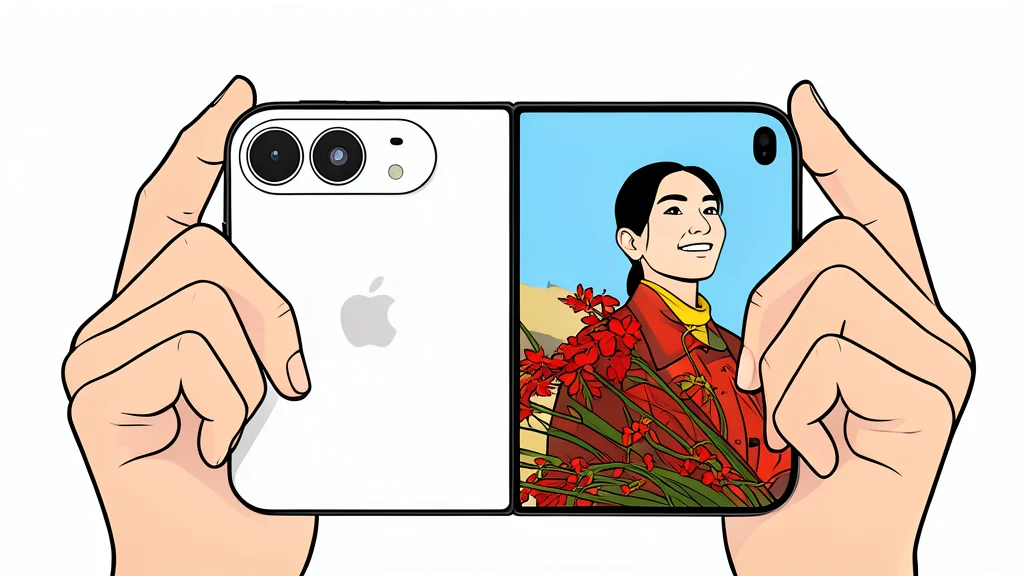
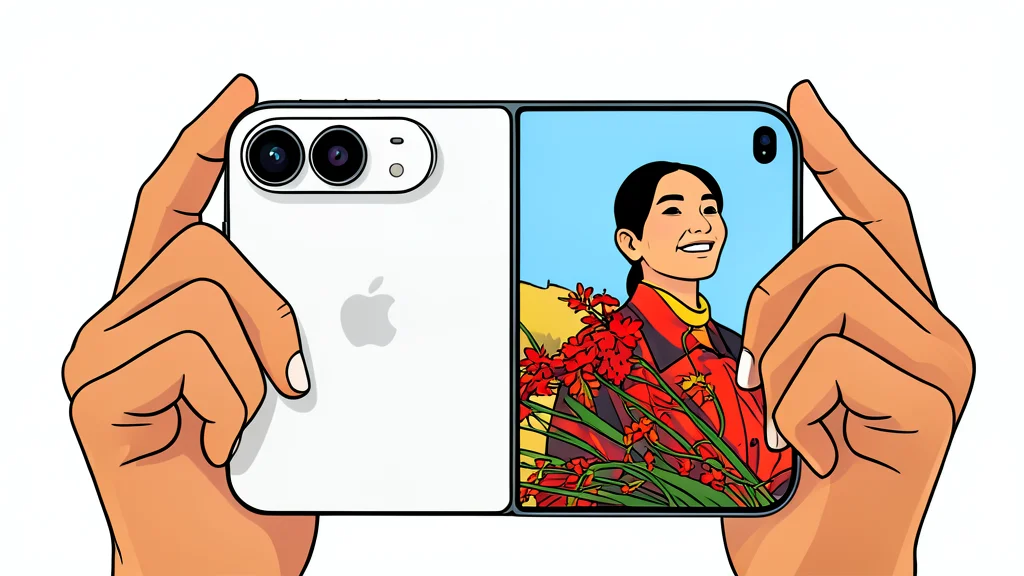
Apple is betting on a significant software shift with the launch of the iPhone Duo. To fully utilize the device's large inner display, developers must recompile their applications specifically for iOS 27.0. This requirement goes beyond simple adjustments; it mandates a deeper integration with the new operating system to access the device's unique features.
This approach creates an immediate trade-off for consumers. While the design is intuitive, many popular apps may initially display with black bars on the sides until developers complete their updates. According to reporting from 9to5Mac, this strategy risks leaving users with a limited experience in the early months, even if the long-term result is a more cohesive interface.
Strict Requirements Limit App Compatibility
Apple chose not to allow resizable iPad applications to run directly on the iPhone Duo. While this would have provided an instant workaround, it would have resulted in a less polished user interface. By forcing a native rebuild, Apple ensures that the new tab bar and interface elements feel distinct and carefully designed, avoiding the generic look of standard foldable phones.
However, this decision adds friction for developers. Compiling for iOS 27 is not just about supporting the new hardware; it also removes the option to opt out of the Liquid Glass design language. For teams that have not prepared for these changes, the dual requirement may lead to delays in releasing optimized versions for the new device.
Gaming Performance Faces Early Hurdles
The impact of this strategy is most noticeable in mobile gaming. A key selling point of the larger inner screen is the ability to play games in a true full-screen experience. If apps are not optimized, users may be forced to play with restrictive black bars, which could deter those looking for a premium gaming setup on the foldable display.
Split-screen functionality may mitigate some of these issues for productivity apps, allowing users to run multiple windows simultaneously. Yet, for immersive experiences like gaming, the lack of full-width support in the initial release could be a significant drawback. The device's potential is high, but the immediate software ecosystem may not match the hardware's capabilities.
Future Updates May Resolve Issues
Apple has a path to improve the situation if initial support is slow. In a future update, such as iOS 28, the company could introduce a compatibility mode that allows iPad apps to run more fluidly. This would serve as a safety net to ensure users have a functional experience while developers work on creating native, fully optimized versions for the iPhone Duo.