Pixel 11 Pro Fold Balances Camera Power with Battery Trade-Offs
Google’s latest foldable phone offers a familiar shape and strong software support, but users must accept slightly reduced battery life and a visible screen crease to gain access to its advanced camera system.
Google has released the Pixel 11 Pro Fold, its fourth-generation folding smartphone, maintaining the traditional rectangular form factor that distinguishes it from competitors like Apple and Samsung. The device is priced at $1,899, reflecting a slight increase driven by rising component costs. As reported by GN technics/mobile (en-US), the phone remains one of the few foldables with full water and dust resistance, a feature that sets it apart in a market increasingly focused on raw power rather than durability.
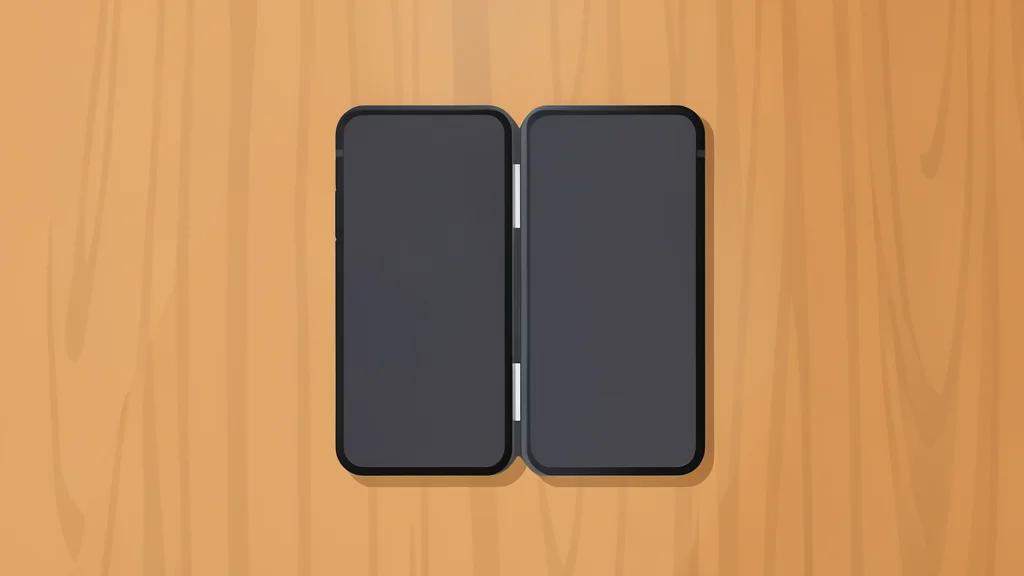
The new model is 19 grams lighter than its predecessor and slightly slimmer, though it retains the same screen ratio as Google’s standard slab phones. When closed, it functions like a typical smartphone with a 6.5-inch display. When opened, the internal screen becomes nearly square, facilitating side-by-side app usage but offering a less ideal aspect ratio for watching videos. The hardware includes the Tensor G6 chip and 16GB of RAM, ensuring smooth multitasking, though it does not match the raw performance of some rival devices.
Camera Quality Leads Foldable Segment
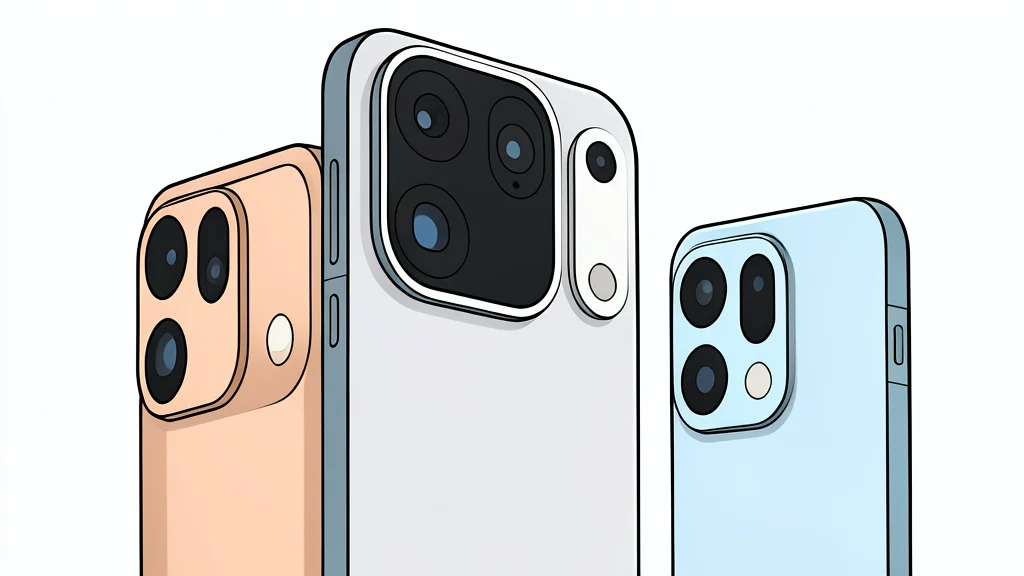
The standout feature of the Pixel 11 Pro Fold is its triple-camera system, which Google claims is the best available on any foldable phone. The setup includes a 48-megapixel wide sensor, a 10.5-megapixel ultrawide lens, and a 10.8-megapixel telephoto lens with five times optical zoom. This configuration allows for versatile photography without the need for heavy zooming or post-processing. The inclusion of two 10-megapixel selfie cameras further enhances video calling and front-facing photography, making it a strong choice for users who prioritize image quality over other metrics.
However, this photographic capability comes with physical trade-offs. The screen crease is more visible and tactile than on competing models, and the display is more delicate than standard hardened glass. Additionally, while the phone supports Qi2 magnetic charging and includes a unique HiLight notification LED, the battery life has decreased slightly. Users can expect approximately 36 hours of mixed usage, which is shorter than previous generations and some rivals. Most users will need to charge the device nightly, though it generally lasts through a full day of heavy use without a mid-day top-up.
Software Support Extends To 2033
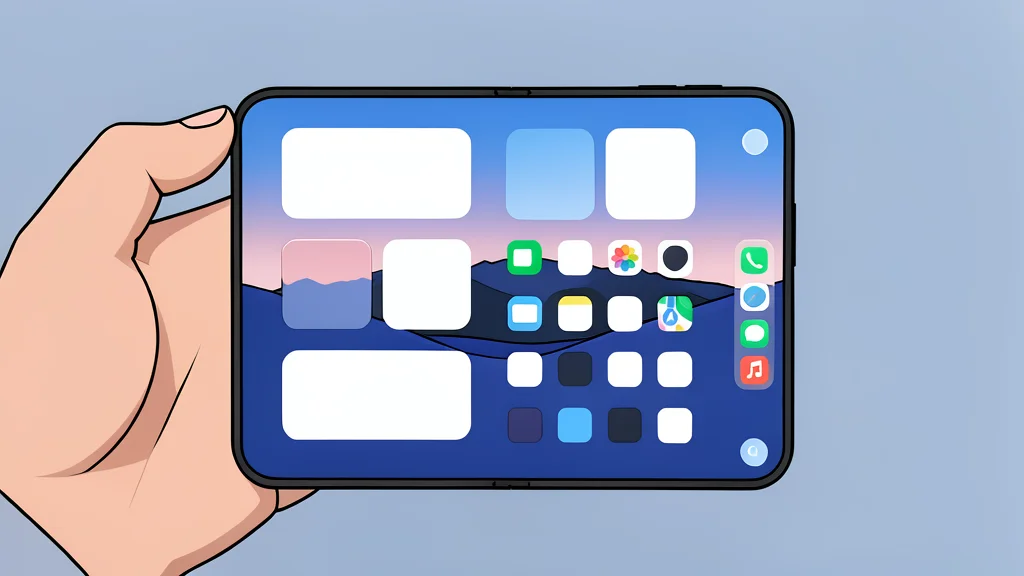
The device runs Android 17 with integrated AI tools, including Gemini’s proactive system and enhanced voice dictation. Google has optimized the operating system for the folding form factor, introducing a floating taskbar and a split-screen mode that allows apps to be resized beyond the physical display boundaries. The revamped bubble system enables up to five apps to float simultaneously, though this is less flexible than Samsung’s desktop-like window management. These software features leverage the larger internal screen to improve productivity and multitasking capabilities.
One of the most significant advantages of the Pixel 11 Pro Fold is its long-term support. Google has committed to providing operating system and security updates until August 2033, making it one of the longest-supported devices in the market. The battery is also rated to last over 1,000 full charge cycles, ensuring longevity for users who prefer to keep their devices for several years. This commitment to sustainability and long-term usability addresses a common concern for foldable phone buyers, who often worry about the rapid obsolescence of such specialized hardware.
Durability And Water Resistance Standards
In a market where many foldable phones lack robust protection, the Pixel 11 Pro Fold maintains an IP68 rating. This means it can withstand immersion in 1.5 meters of water for 30 minutes, a standard similar to traditional slab phones. This level of durability is a significant differentiator, as many competitors do not offer the same level of water and dust resistance. For users who are concerned about accidental spills or exposure to dust, this feature provides peace of mind that is often missing in the foldable category.
The phone also includes modern connectivity options such as 5G, eSIM, Wi-Fi 7, and Bluetooth 6. The inclusion of these features ensures that the device is future-proof in terms of connectivity standards. However, the trade-off for these advanced capabilities and the premium camera system is the higher price point. At nearly $1,900, the Pixel 11 Pro Fold is an investment that requires a commitment to its specific design philosophy and software ecosystem. It is not the fastest phone on the market, but it offers a balanced package of durability, camera quality, and long-term support that appeals to a specific segment of users.