Real iOS 27 Booted on Macs via New Virtualization Tool
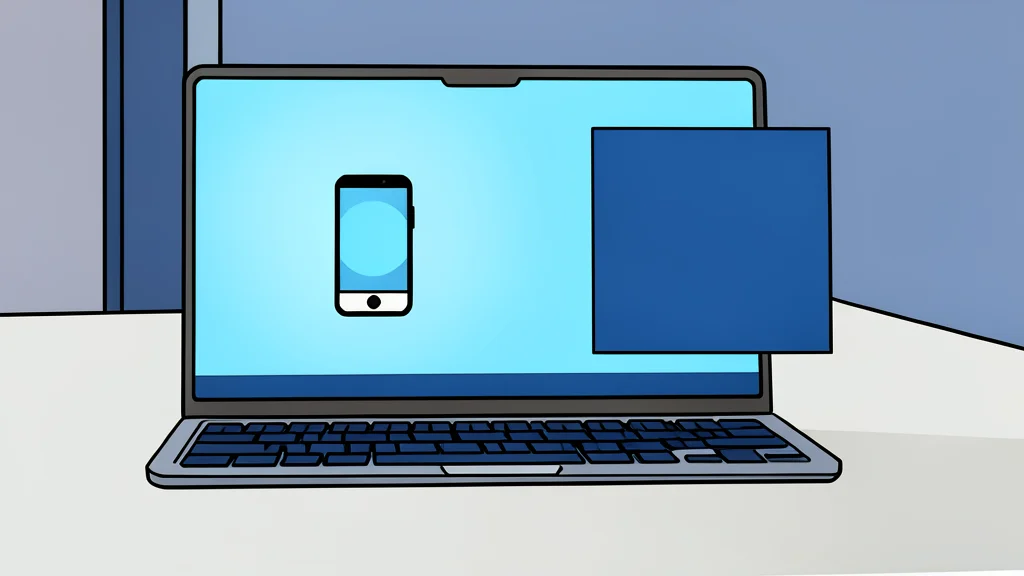
A new open-source project has demonstrated the ability to run unmodified iOS 27 firmware as a virtual machine on Apple Silicon Macs, offering researchers a level of access previously impossible without physical hardware.
A project known as vphone-cli has captured the attention of the tech community by booting a genuine, unmodified copy of iOS 27 on Apple Silicon Macs. Unlike traditional simulators that mimic the operating system's behavior, this tool runs the actual device firmware inside a virtual machine. According to reports from GN technics/hardware (en-US), this approach allows users to access a root shell and a live graphical interface, effectively turning a consumer smartphone environment into a scriptable testing ground.
The distinction between this virtualization method and Apple’s existing tools is significant. Standard simulators translate code calls to run on macOS, which often fails when testing features like camera access or deep system integrations. In contrast, vphone-cli downloads official firmware images and patches the boot chain to install them on a virtual disk. This process mirrors a physical device restore, meaning the resulting environment behaves much more like a real iPhone than a software approximation.
Automating the Complex Restore Process
Security researchers have long struggled with the manual nature of setting up deep-access environments on Apple devices. The new tool automates a workflow that previously required a dozen scattered scripts and hours of manual configuration. It handles firmware acquisition, boot-chain patching, and the Device Firmware Update (DFU) restore in a single pass. By leveraging Apple’s own Virtualization.framework, the tool bypasses the need for third-party hypervisors, a technical detail that has drawn particular interest from developers analyzing the architecture.
The DFU step is critical because it represents the lowest-level recovery state available to an iPhone. On physical hardware, this requires precise button combinations and a cable connection. vphone-cli executes this same logic against a virtual disk image, allowing the installation of patched firmware with the same reliability as a physical restore. This automation reduces a multi-hour manual process into a simple command-line operation, making it accessible to a broader range of users and researchers.
Research Benefits and Practical Limitations
The primary benefit of this tool is the ability to snapshot, reset, and script the iOS environment with the ease of a Linux server. This capability is invaluable for security analysis, where reproducibility and isolation are paramount. However, the tool is not intended for general consumer use or app development in the traditional sense. It is a research instrument that exposes the operating system in ways Apple has historically kept locked down, providing a window into the inner workings of the platform.
The project also offers different firmware variants, ranging from a patchless build that closely mimics stock iOS behavior to configurations that include third-party package managers. While this flexibility is powerful for experimentation, it highlights the trade-off: users are running a modified, experimental setup rather than a stable, supported environment. The success of vphone-cli underscores the growing capability of Apple Silicon hardware to host complex virtualization tasks, even those that challenge the boundaries of Apple’s own ecosystem.