Samsung's New Foldables Balance Thinness with Practical Durability
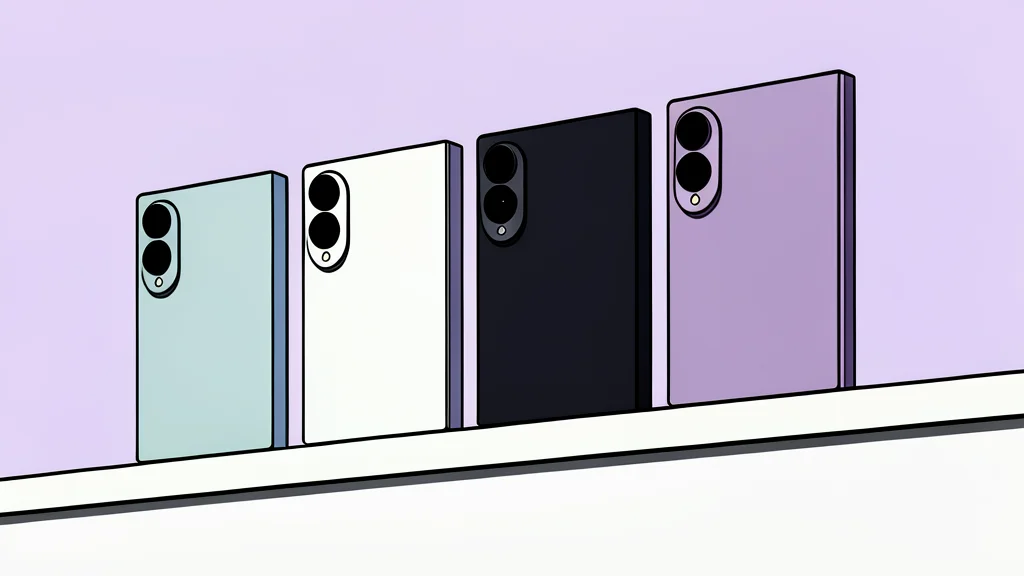
The latest Galaxy Z series aims to solve the core tension of foldable phones: keeping the device thin enough to be pocketable while making it sturdy enough for daily use.
Foldable smartphones have moved from being experimental novelties to established mainstream devices. According to GN technics/mobile (en-US), this shift reflects years of iterative engineering focused on making the technology more reliable and intuitive. The core challenge remains balancing a flexible screen with the structural integrity required for everyday handling.
The new Galaxy Z8 series represents the current state of this evolution. It introduces specific hardware improvements designed to reduce the visible crease on the screen and improve the overall feel of the device. The goal is to make the folding mechanism less noticeable, allowing users to focus on the content rather than the mechanics.
Strengthening the structural integrity
Durability has always been the primary hurdle for foldable devices. Traditional phones do not face the same material stress, but a device that bends repeatedly requires a fundamentally different approach to construction. Samsung has introduced a titanium-based display structure to address this, aiming to support the screen more effectively while reducing the depth of the crease.
This material change also allows for a thinner device profile. By improving the internal support structure, manufacturers can reduce the overall bulk without sacrificing strength. This is a critical trade-off, as adding reinforcement often makes phones heavier and less comfortable to hold for long periods.
Refining the hinge mechanism
The hinge is not just a mechanical connector; it defines the user experience. A stiff or awkward hinge disrupts the flow of interaction, while a well-designed one makes the transition between folded and unfolded states feel natural. Recent refinements to the magnet and tension systems have contributed to a smoother opening motion.
On the Galaxy Z Fold8 Ultra, these improvements result in a device that is just 4.1mm thick when fully open. This thinness is significant because it makes the device more similar to a traditional slate-style tablet in terms of feel, which enhances comfort during reading or media consumption.
Optimizing screen ratios for tasks
Simply having a larger screen does not automatically improve usability. The aspect ratio of the display plays a crucial role in how well it suits different activities. The new 4:3 main display is designed for immersive viewing and gaming, while rotating the device switches to a 3:4 ratio that is better suited for reading text and browsing the web.
This flexibility in aspect ratios allows the hardware to adapt to the software content. It moves beyond just providing more pixels to offering a more functional workspace. This is particularly useful for content creation, where a wider canvas can make editing tasks more intuitive.