UBTECH Starts 10,000-Unit Humanoid Robot Production
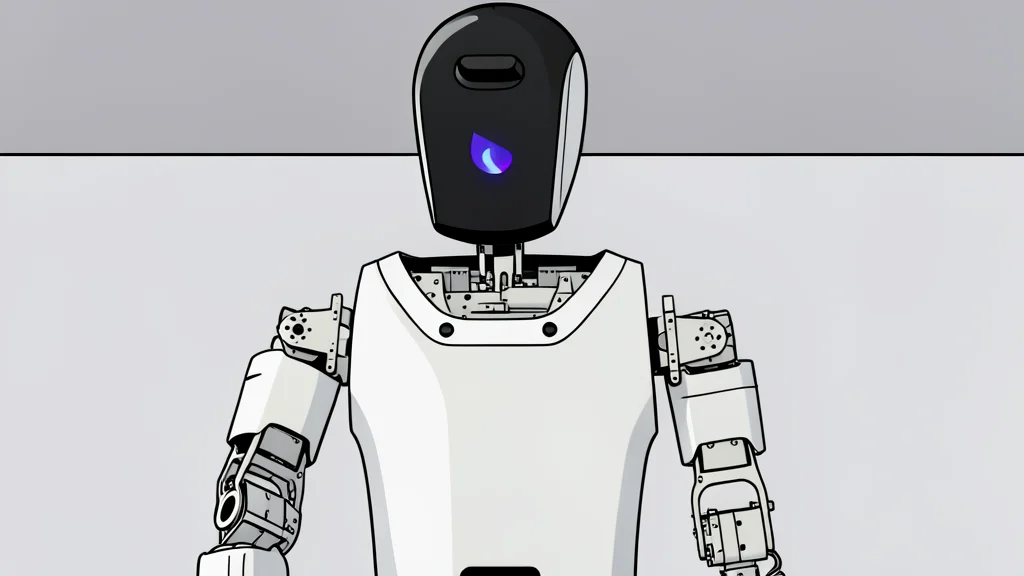
UBTECH has begun mass-producing humanoid robots in Liuzhou, claiming the world's first facility with such high annual capacity.
UBTECH has officially launched the world’s first humanoid robot production line with an annual capacity exceeding 10,000 units. The facility in Liuzhou, Guangxi, began operations on September 12, marking a significant shift for the industry from small-batch laboratory prototypes to standardized, large-scale manufacturing. This move signals that humanoid robots are transitioning from experimental novelty to practical industrial tools.
The announcement immediately affected financial markets, with UBTECH’s shares rising more than 3% in early trading. Investors appear to be reacting to the company’s ability to scale production, a capability that was previously a major hurdle for the sector. The stock reached an intraday high of HK$80.4, reflecting growing confidence in the commercial viability of the technology.
Rapid Assembly in Automated Facility
The factory is designed for speed, with one complete robot unit rolling off the line every ten minutes. The facility covers 14,000 square meters and utilizes a highly automated environment where robots build robots. Humanoid units handle material loading and unloading, while collaborative arms perform precise screw-tightening tasks on rotating workstations. Each robot requires the tightening of over 2,000 screws, a process that demands high precision and consistency.
To manage the complexity of mass production, the factory employs a flexible mixed-line design. This setup allows the production line to switch between different robot models without requiring large-scale hardware modifications. This flexibility addresses the challenge of rapid product iteration, which often disrupts traditional assembly lines that are rigid and slow to adapt.
Digital Simulation Guides Construction
The efficiency of the plant relies heavily on a digital twin created in collaboration with Siemens. Engineers built a 1:1 virtual model of the entire factory, including logistics aisles and workstation parameters. This simulation allowed them to optimize the flow of materials and identify potential bottlenecks before physical construction was even complete. By validating the process digitally, the company reduced on-site commissioning costs and improved the efficiency of material turnover.
This digital foundation supports the entire product lifecycle, from initial planning to quality control. It ensures that the physical factory can handle the demands of high-volume production while maintaining the ability to introduce new products quickly. The integration of such advanced simulation tools represents a critical step in making humanoid robot manufacturing economically viable.
Traceability and Industry Implications
Every robot leaving the facility carries a unique serial number, enabling full traceability of component sourcing and assembly parameters. This level of documentation is crucial for maintenance and troubleshooting, as it provides a clear record of how each unit was built. For industrial customers, this transparency reduces the risk associated with deploying complex robotic systems in operational environments.
While this achievement demonstrates significant progress, the high initial cost and the need for specialized infrastructure remain barriers to widespread adoption. The success of this production line will depend on whether demand can match the supply capacity. As noted by GN auto tech/robotics, this marks a pivotal moment, but the transition to true mass-market acceptance will require sustained performance and cost reduction over time.