Refurbished Phone Demand Surges as New Sales Drop 40%
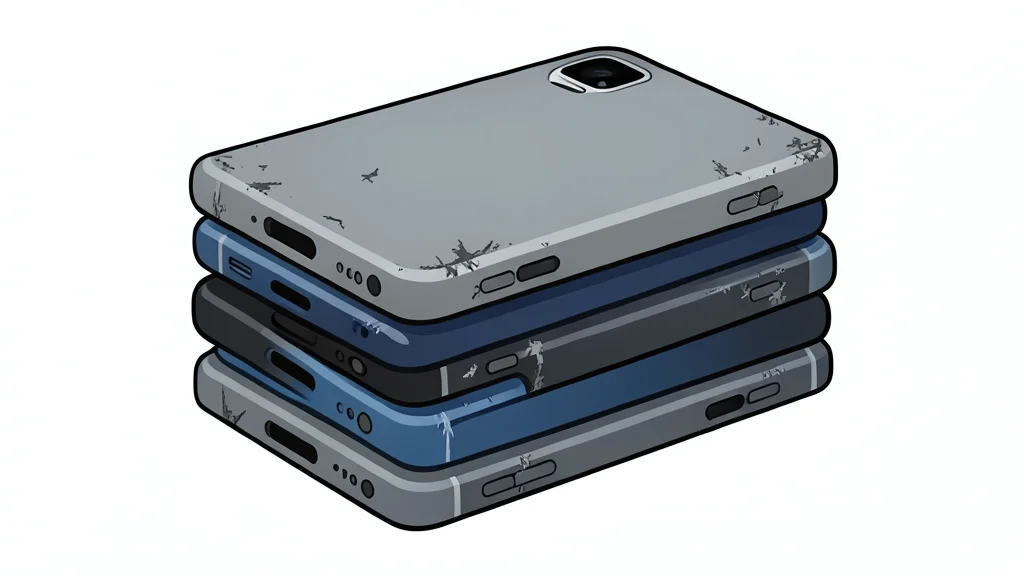
Indian retailers report a 30-40% decline in new smartphone sales, driving a rapid shift toward the secondary market for affordable 5G devices.
Key points
- Sales of new smartphones in Indian mainline stores have fallen by 30-40% since August due to rising component costs.
- Refurbished phone demand is surging, with the pre-owned financing market projected to grow 164% year-on-year.
- Consumers are shifting to used 5G devices in the 20,000-45,000 rupee range as new models become unaffordable.
The Indian smartphone market is experiencing a sharp pivot toward pre-owned devices as rising component costs push new phone prices out of reach for many consumers. Retailers report that sales of new smartphones in mainline stores have dropped by 30 to 40 percent since August, a decline attributed to continuous month-on-month price increases.
This shift has created a significant supply gap in the refurbished sector. At a recent industry event, retailers were observed exchanging contact details for second-hand vendors to secure bulk inventory ahead of the festive season. This level of organized buying was virtually nonexistent a year ago, indicating a fundamental change in consumer behavior and retail strategy.
Price pressures drive secondary market growth
The primary driver of this trend is the rising cost of new hardware. As brands struggle to offer 5G smartphones below the 20,000 Indian rupee threshold, consumers are turning to refurbished models to access premium features and modern connectivity at lower price points. The demand is particularly strong in the 20,000 to 45,000 rupee range, where buyers seek value without sacrificing essential specifications.
According to Nakul Kumar, co-founder of Cashify, the market is moving from simple affordability to a value-led proposition. Consumers are increasingly willing to buy used devices to obtain 5G capabilities and flagship-level features, a trend that accelerates upgrade cycles as users trade in older phones, thereby feeding the supply chain for refurbished units.
Financing hurdles reshape consumer choices
Access to credit is also influencing this shift. A recent white paper from Cashify notes that stricter lending norms and higher rejection rates have made it difficult for consumers to finance new devices through loans or EMIs. This financial barrier pushes buyers with limited credit history toward refurbished options, which are more accessible and often require lower total financing amounts.
Bajaj Finserv and other financial entities are now targeting this segment, with the pre-owned smartphone financing market estimated to grow by 164 percent year-on-year. For retailers, this represents a significant business opportunity to capture customers who are priced out of the new device market but still desire high-quality technology.
Industry analysts highlight trust barriers
Despite the growth, the secondary market faces challenges related to consumer confidence. Shubham Singh, a tech analyst at Counterpoint Research, notes that while refurbished phones complement the new market, they do not replace it. Key factors determining future sales include trust in the refurbishment process, warranty coverage, battery health guarantees, and the availability of flexible financing options.
The industry is taking steps to address these concerns. The Organised Retailers Association has scheduled a meeting with key players to better understand and regulate this emerging trend. As reported by TradingView, the goal is to standardize quality and build the consumer trust necessary for the refurbished segment to sustain its rapid expansion during the upcoming festive season.