RION Magic Pro Converts Phones into Thermal Inspection Tools
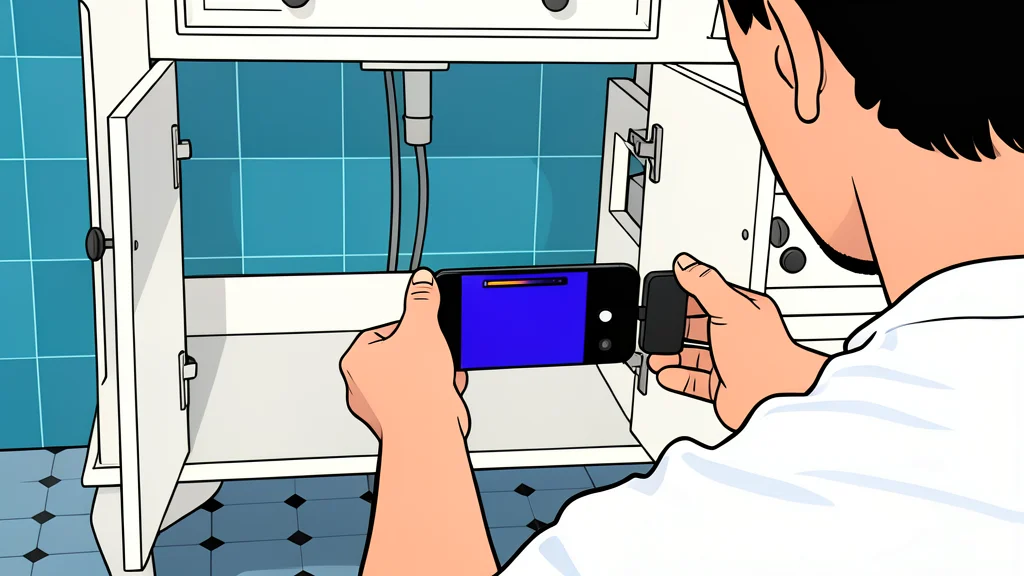
RION has launched a compact USB-C camera that turns smartphones into professional thermal imaging devices for electrical and building inspections.
RION has opened pre-orders for the Magic Pro, a lightweight thermal imaging camera designed to attach directly to smartphones, tablets, and Windows computers. The device targets inspectors, tradespeople, and homeowners who need to detect electrical faults, mechanical issues, or building anomalies without carrying bulky, dedicated thermal cameras.
By eliminating the need for an internal battery, the 24-gram accessory draws power directly from the host device via USB-C. This design choice significantly reduces weight and size, making it easier to carry during field inspections. The camera works with RION View applications, which allow users to analyze temperature data, record footage, and generate formal inspection reports.
Higher resolution improves detail
The primary upgrade over the standard RION Magic model is the sensor resolution. The Magic Pro uses a native 256 by 192 pixel sensor, which processes data through QuadIR technology to produce a 512 by 384 pixel image. This increased detail helps users distinguish individual components in complex scenes, such as separate electrical breakers or pipes behind walls.
According to GN technics/mobile (en-US), this clarity ensures that temperature measurements are associated with the correct component. The device also features AI BiSpectrix technology, which fuses thermal data with visible-light imagery. This combination provides better visual context, making it easier to identify the location of potential problems and document findings for customers or contractors.
Practical limits remain
While the camera offers a temperature range from -20°C to 600°C and a sensitivity of 40 millikelvins, accuracy is not absolute. The manufacturer claims an accuracy of approximately ±2%, but actual performance varies based on environmental conditions, surface materials, and distance. Users must interpret thermal readings alongside professional safety procedures and appropriate electrical testing.
The device supports real-time analysis for tasks like monitoring multiple electrical breakers simultaneously. It can issue threshold alerts when a circuit operates at a higher temperature than neighbors, aiding in preventive maintenance. However, it is a diagnostic aid, not a replacement for certified safety protocols.
Battery-free design trade-off
The lack of an internal battery is the device’s main selling point for portability, but it creates a dependency. The camera is only as useful as the connected device’s power supply. If the smartphone or computer battery is low, the inspection capability is immediately compromised. This trade-off prioritizes a slim, pocketable form factor over standalone operational independence.
For HVAC and building audits, the camera helps compare supply and return air temperatures and reveals issues visible only under load. It is a specialized tool that enhances existing hardware, but users must weigh the convenience of a phone-based system against the reliability of dedicated professional equipment.