Vietnam Leads Southeast Asia in Electric Vehicle Adoption
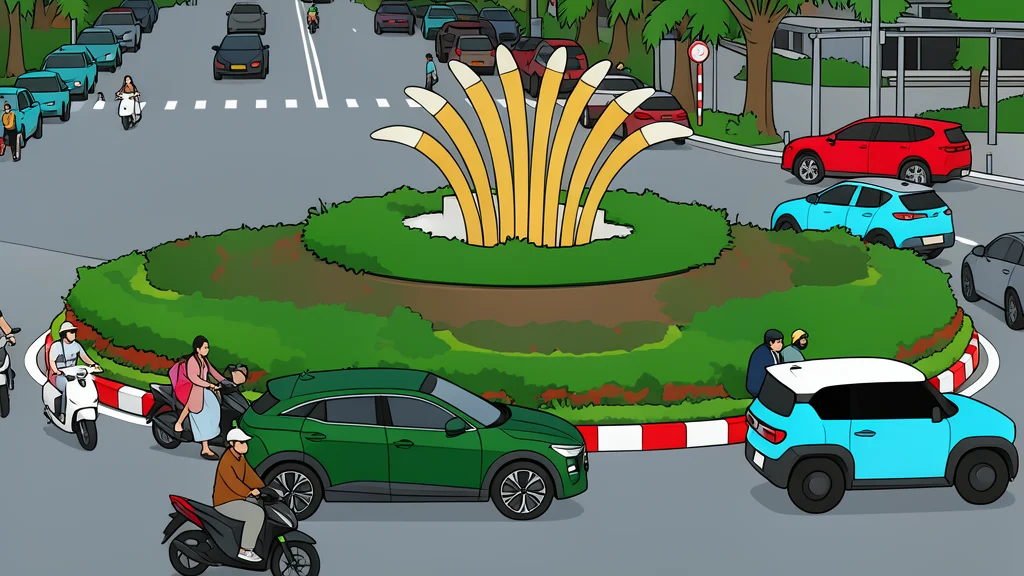
Vietnam has emerged as the electric car hub of Southeast Asia, with sales surging to nearly one in five new vehicles. This rapid shift outpaces many European markets and signals a broader regional transformation in automotive consumption.
In just five years, electric cars have moved from a niche segment to a mainstream choice in Vietnam. According to data reported by GN auto tech/ev, annual sales more than doubled, with the country now holding the largest electric vehicle market in the region. This growth has placed Vietnam among the world’s leading markets for electric mobility, surpassing adoption rates seen in most European nations.
The surge is part of a wider trend across Southeast Asia, where electric car sales exceeded 500,000 units in 2025. This figure is more than double the previous year’s total. The International Energy Agency attributes this acceleration to policy incentives, increased domestic production, and a significant influx of imports, particularly from China.
Regional rivals follow Vietnam’s lead
Thailand has followed Vietnam’s trajectory, with electric vehicle sales jumping 70 percent to approximately 140,000 units. This places electric cars at nearly one-quarter of Thailand’s new car market. However, the regional momentum is not uniform. While Vietnam and Thailand drive the increase, other nations in the region are still in the early stages of adoption.
Globally, over 20 million electric cars were sold in 2025, representing one in four new vehicles. China remains the dominant force, contributing over 13 million sales. Europe accounted for 4.2 million, while the United States held a share of about 10 percent. The disparity highlights how policy and market structure influence adoption rates differently across continents.
Domestic production fuels market growth
VinFast, Vietnam’s leading automaker, has been a central driver of this shift. By expanding into more affordable models, the company broadened access to electric vehicles for a wider consumer base. VinFast delivered 175,099 electric cars in Vietnam in 2025 and is targeting 300,000 units for the full year of 2026.
The government has supported this growth through registration-fee exemptions for battery-electric vehicles since 2022. Experts from Statista note that rising fuel costs and increasing environmental awareness are also key factors. For consumers, the trade-off is a higher upfront cost offset by lower fuel and maintenance expenses over time.
Charging infrastructure expands nationwide
To support this growth, VinFast has partnered with major fuel retailers like Petrolimex and PVOIL to install charging facilities at petrol stations. Its V-Green network now comprises over 150,000 charging ports, making it the largest in Vietnam. The company plans to prioritize larger hubs for long-distance travel and expand battery-swapping facilities for electric motorbikes.
The government views charging infrastructure as a core part of its green transport transition. Ministries are developing standards for installations in apartment buildings and commercial centers. By 2035, electric cars could secure more than 80 percent of Vietnam’s new car market, a proportion higher than any other country in the region.