Data Center Growth Outpaces Workforce Supply
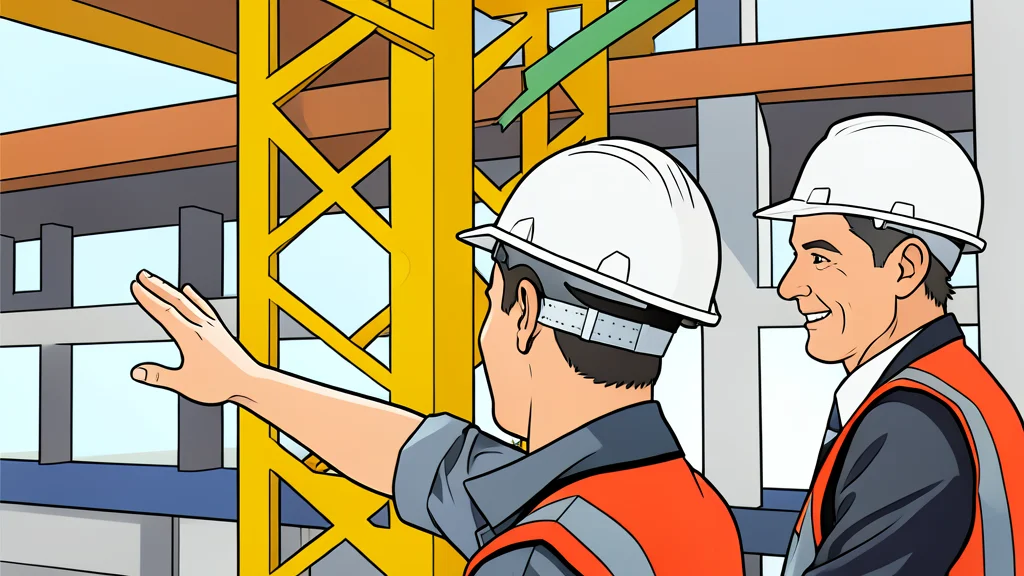
A rapid surge in data center construction is creating a severe talent gap, with many operators forced to look outside the tech industry to fill critical roles.
The rapid expansion of data centers is significantly outstripping the availability of skilled workers, creating a structural bottleneck in the industry. According to a new workforce survey by DCD Intelligence, more than two-thirds of developers and operators are currently running below their required staffing levels. This shortage is not just a temporary glitch; it is a systemic issue that threatens to increase downtime and reduce overall performance across the sector.
The strain is most visible in physical infrastructure, power systems, and IT operations. Nearly a third of the organizations surveyed reported operating at under 80 percent of their demand. The primary barrier is not a lack of money, but a lack of qualified candidates. Almost half of the respondents cited the absence of technical knowledge in prospective hires as the biggest hurdle to hiring, compounded by a general lack of awareness about career opportunities in the data center field.
Look Beyond Traditional Tech Hires
Because the traditional tech talent pool is exhausted, companies are increasingly turning to adjacent industries to find the skills they need. The survey indicates that organizations are actively recruiting from the utilities and oil and gas sectors. These industries possess the specific expertise in fluid dynamics and power management that modern data centers require for cooling and energy efficiency.
Telecoms is also a significant source of new hires, though it ranks third behind power and water utilities. This shift reflects a broader reality: the core competencies needed to keep these facilities running are often found in industrial engineering rather than pure software development. For readers, this means the job market for data center roles is becoming more cross-disciplinary, with opportunities emerging for engineers with backgrounds in heavy industry.
Structured Training Becomes Essential
To close the gap, companies are expanding education-based pathways such as internships, apprenticeships, and university partnerships. However, the report highlights a critical weakness: the industry lacks consistent structure in its recruitment and training processes. Poor onboarding and inconsistent upskilling are causing long-term inefficiencies that no amount of external hiring can fully fix.
The report argues that organizations treating workforce development as core infrastructure are best positioned to succeed. This requires deliberate investment in standardized training and staff upskilling, particularly in emerging technologies like AI. Without these systematic changes, the skill gap will likely widen as the pace of technological change accelerates, leaving the industry vulnerable to operational risks.
Trade-offs of Rapid Expansion
The catch for businesses in this space is that speed is coming at the cost of stability. While the physical infrastructure grows, the human capacity to manage it does not. This imbalance creates a trade-off where companies may face higher operational risks and increased maintenance costs as they struggle to keep pace with their own growth. The industry is essentially betting that it can build the buildings faster than it can build the teams to run them.