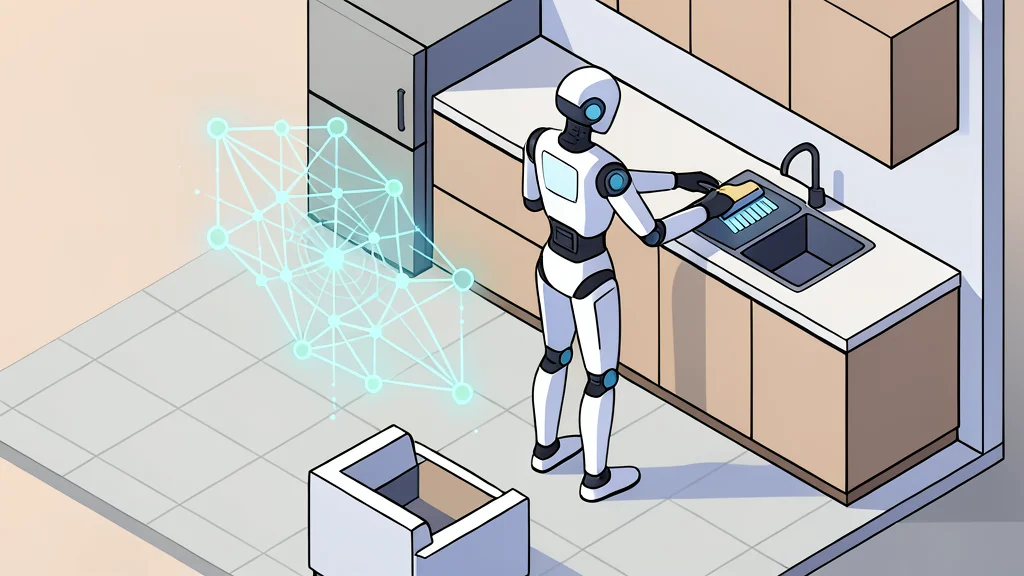
University of Miami Adds Humanoid Robot to Research Team
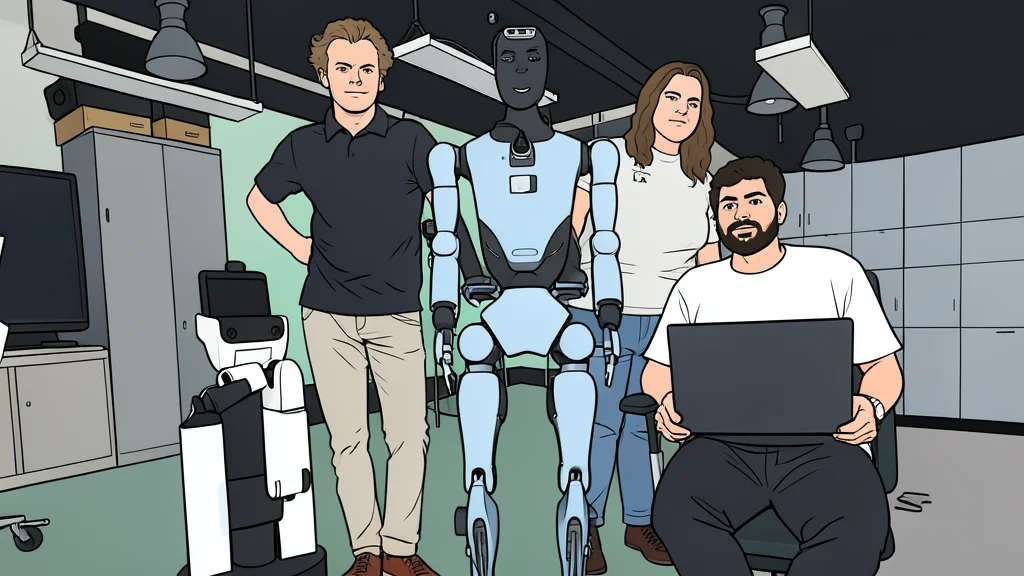
The University of Miami has acquired a large humanoid robot to advance AI research, joining a new global league for household task automation.
Robotics researchers at the University of Miami have integrated a 140-pound, six-foot-tall humanoid robot into their laboratory. The Fourier Intelligence GR-2 unit arrived at the end of the spring semester, marking a significant shift in the team's hardware capabilities. Unlike previous wheeled platforms, this bipedal machine is designed to mimic human movement and interact with physical objects in a domestic environment.
The acquisition expands the scope of the RoboCanes team, which is led by computer science professor Ubbo Visser. The group is now developing software that allows the robot to perform complex household duties. This move reflects a broader trend in artificial intelligence, where large language models are making it easier to break down complex instructions into actionable steps for robotic systems. The team notes that challenges previously considered difficult, such as understanding nuanced natural language, are now more solvable with current AI tools.
Global Qualification in New League
The RoboCanes team was one of only 24 groups worldwide to qualify for the RoboCup@Home league this summer. This international competition focuses on robots performing tasks like folding laundry and greeting guests. The University of Miami entry was the top-performing adult-sized robot in the league and the only humanoid from the Americas to compete in that category. This achievement is particularly notable because it was the first year humanoid robots were permitted in this specific division, replacing the smaller wheeled robots used in past years.
Katarzyna Pasternak, a Ph.D. student and team leader, highlighted the rapid advancement of the field. She noted that the integration of visual language models has accelerated progress significantly. The team’s success demonstrates that humanoid platforms are becoming viable for serious research, moving beyond simple demonstrations to functional task execution. The team includes several Ph.D. students and recent graduates who are focusing on the software required to bridge the gap between human commands and robotic actions.
Dexterity Drives Research Focus
A primary reason for acquiring the GR-2 was its hand dexterity. The robot’s fingers allow it to open bottles, unscrew jars, and hand items to humans, capabilities that wheeled robots lack. Visser explained that this physical versatility opens up new functional possibilities for the research program. The team is specifically interested in how the robot can manipulate objects in unstructured environments, a key requirement for any machine intended to work in a home setting.
The long-term goal is to develop software for an autonomous household robot capable of caring for elderly individuals. This aims to address labor shortages in countries with aging populations. However, both Visser and Pasternak emphasized that significant hurdles remain. For a robot to function independently outside a lab, motion control, sensors, vision, and navigation must work together seamlessly. Current technology has not yet achieved this level of reliability for full autonomy in domestic spaces.
Challenges in Autonomous Operation
While the hardware is impressive, the software integration remains the critical bottleneck. Researchers acknowledge that many components still need to function in perfect sync for safe and effective autonomous operation. The transition from controlled laboratory settings to real-world homes involves unpredictable variables that current AI models are still learning to handle. The team’s work contributes to the global effort to understand how humanoid robots can safely and effectively share spaces with humans, particularly in caregiving roles.