Rising Chip Costs Threaten Global Access to AI Tools
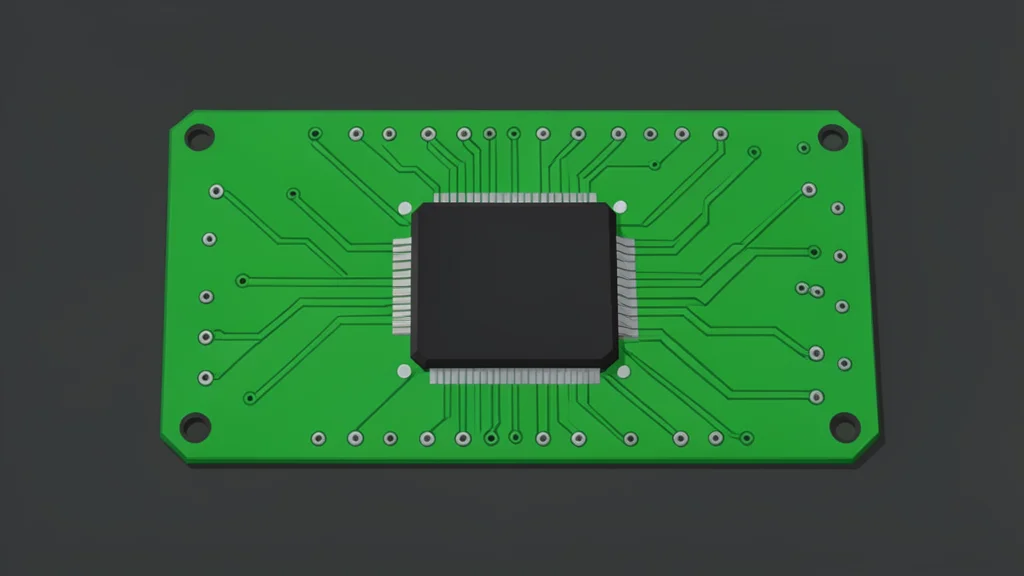
The GSMA warns that surging component prices are making basic smartphones unaffordable for billions, potentially widening the gap between those who can use AI services and those who cannot.
The GSMA has issued a stark warning that rising costs for smartphone components are threatening to widen the global digital divide. According to the organization's recent State of Mobile Internet Connectivity report, 3.1 billion people remain offline despite living within range of mobile broadband networks. While 4.8 billion people now use mobile internet, the rate of new users coming online has slowed significantly, dropping to 160 million in 2025 from 190 million in 2024. This stagnation is largely attributed to the increasing price of entry-level devices, which is becoming a primary barrier for users in low- and middle-income countries.
The core of the problem lies in the soaring cost of memory and chipsets, driven partly by the massive demand from artificial intelligence infrastructure and data centers. As these components become more expensive, manufacturers are forced to raise the prices of budget smartphones. This trend is particularly damaging for the poorest populations, where the cost of a basic internet-enabled phone already consumes a significant portion of monthly income. The GSMA notes that affordability is now the biggest hurdle to adoption, surpassing even the lack of digital skills in many surveyed regions.
Component Prices Double in Eighteen Months
The financial impact of these supply chain shifts is severe. Data from GSMA analysis and Counterpoint Research indicates that memory prices more than doubled between the third quarter of 2025 and the first quarter of 2026. This spike was followed by an additional 80 to 90 percent increase in the second quarter of 2026. For the poorest 20 percent of people in low- and middle-income countries, an entry-level handset now costs an average equivalent to 44 percent of their monthly income. In Sub-Saharan Africa, this figure is even higher, reaching 76 percent of monthly earnings.
This price surge is already reshaping the market. The segment of smartphones priced under $100 is facing a sharp decline as manufacturers struggle to maintain margins with expensive components. Emerging markets are expected to be hit hardest by these changes. Previously, the GSMA estimated that reducing smartphone prices to $30 could make devices affordable for nearly 1.6 billion additional people. At a $20 price point, that number could rise to 2.2 billion. However, the current trajectory of rising component costs is making these affordability targets increasingly difficult, if not impossible, to achieve in the near term.
Exclusion From the Next Digital Wave
The consequences of this affordability crisis extend beyond basic internet access. As AI-powered services become more integrated into healthcare, education, financial services, and government operations, the lack of an affordable device becomes a barrier to essential modern services. People without access to smartphones risk being excluded from the next generation of digital tools. This creates a scenario where the benefits of technological advancement are concentrated among those who can afford the hardware, while the majority of the global population is left behind.
Vivek Badrinath, Director General of the GSMA, emphasized the need for coordinated action from governments, operators, and manufacturers to prevent these price hikes from undermining digital inclusion. The organization is calling on component suppliers to prioritize the availability of affordable parts for entry-level devices. Additionally, policymakers and financial institutions are urged to consider measures such as taxation changes and support for device reuse. The economic stakes are high, with previous estimates suggesting that closing the mobile usage gap could generate $3.5 trillion in additional global GDP between 2023 and 2030, with over 90 percent of those benefits flowing to low- and middle-income countries.
Broad Challenges Beyond Hardware Costs
While hardware affordability is the most immediate barrier, it is not the only one. The report identifies literacy, digital skills, online safety, and the availability of relevant local content as significant obstacles to adoption. Addressing these factors alongside the cost of devices is necessary for the expansion of AI and digital services to benefit those who remain offline. Without a comprehensive approach that tackles both the price of technology and the skills required to use it, the digital divide is likely to persist and deepen as AI capabilities continue to grow.