European Satellites Launch Tonight from South America
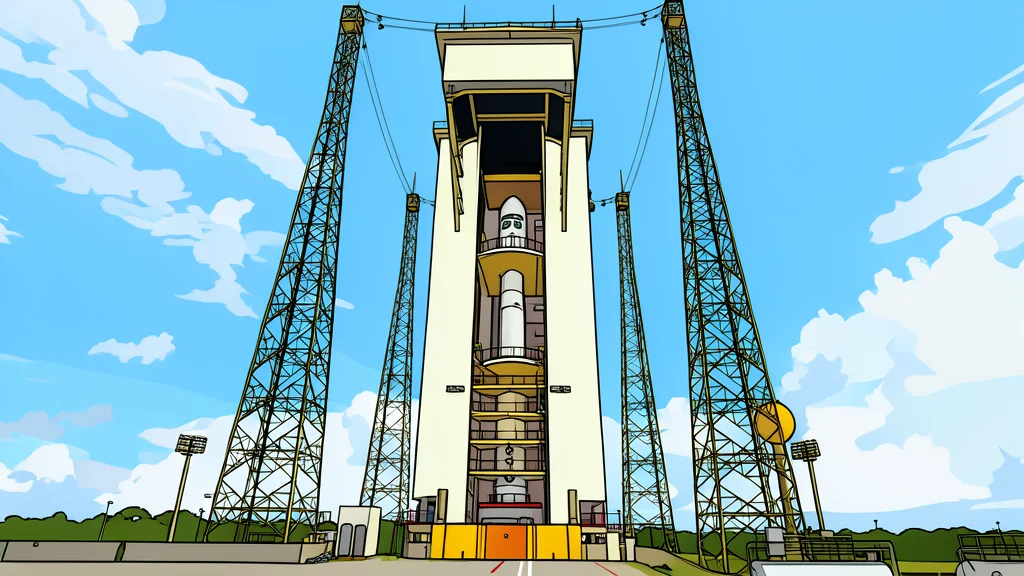
Two European Earth-observing satellites are set to lift off from French Guiana tonight, bringing new capabilities for monitoring global vegetation and ocean health.
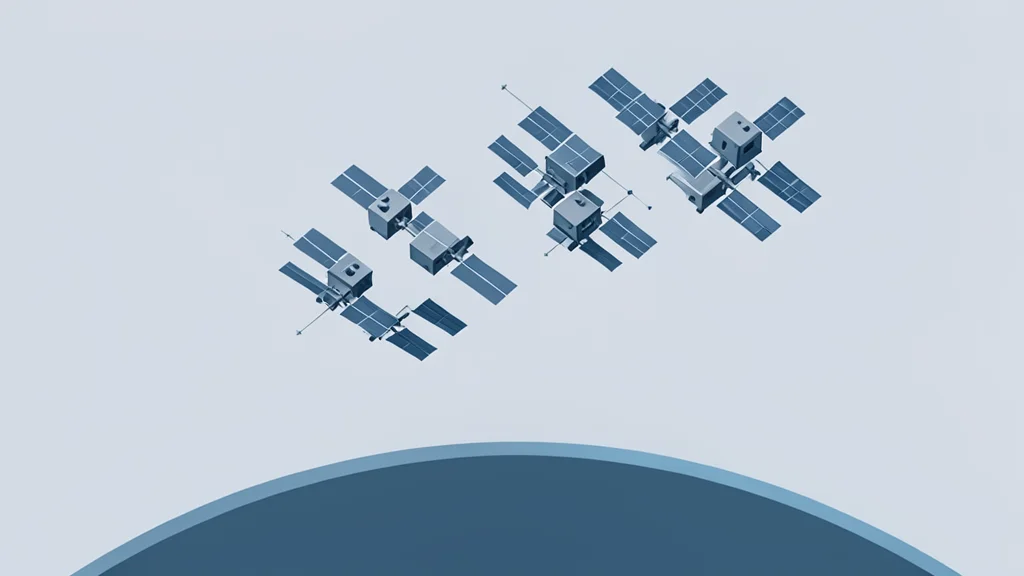
A Vega C rocket will launch from Europe's Spaceport in Kourou, French Guiana, at 9:21 p.m. EDT on September 14. The mission carries two distinct spacecraft: FLEX, a 397-kilogram satellite designed to track plant photosynthesis, and Sentinel-3C, a 1,143-kilogram satellite that will monitor oceans, ice, and atmosphere. Both are scheduled to reach an altitude of 820 kilometers, separating from the rocket approximately 116 minutes after liftoff.
New Tools For Tracking Plant Health
The Fluorescence Explorer satellite represents a significant shift in how we monitor vegetation. Unlike previous missions, FLEX will detect vegetation fluorescence, a process that reveals the actual activity of photosynthesis rather than just the presence of green leaves. According to the European Space Agency, this capability is currently unmatched by any other satellite in orbit. The data will help scientists understand the global carbon cycle and provide critical insights for agricultural management, addressing the growing pressure on food production driven by a rising world population.
Continuing The Sentinel Ocean Watch
Sentinel-3C joins two existing satellites, Sentinel-3A and 3B, which have been active since 2016 and 2018. This third addition to the line ensures continuity in collecting near-real-time data on Earth's oceans, land, and ice. The satellite carries instruments that measure large-scale global dynamics, providing essential inputs for weather forecasting and ocean monitoring. While the older satellites remain operational, adding 3C strengthens the network, reducing the risk of data gaps as the existing fleet ages.
Rocket Reliability And Operational Shifts
The Vega C rocket, standing 35 meters tall, made its debut in July 2022. To date, it has completed seven flights, with six successful outcomes. The vehicle was developed by the European Space Agency and initially operated by Arianespace. However, operational control has shifted to the Italian company Avio, which will manage this launch. This transfer of responsibility is a notable change in the launch ecosystem, and observers should note that the mission is being tracked by GN auto tech/science: space discovery for detailed reporting.