Samsung May Redesign Flip Phone for Better Usability
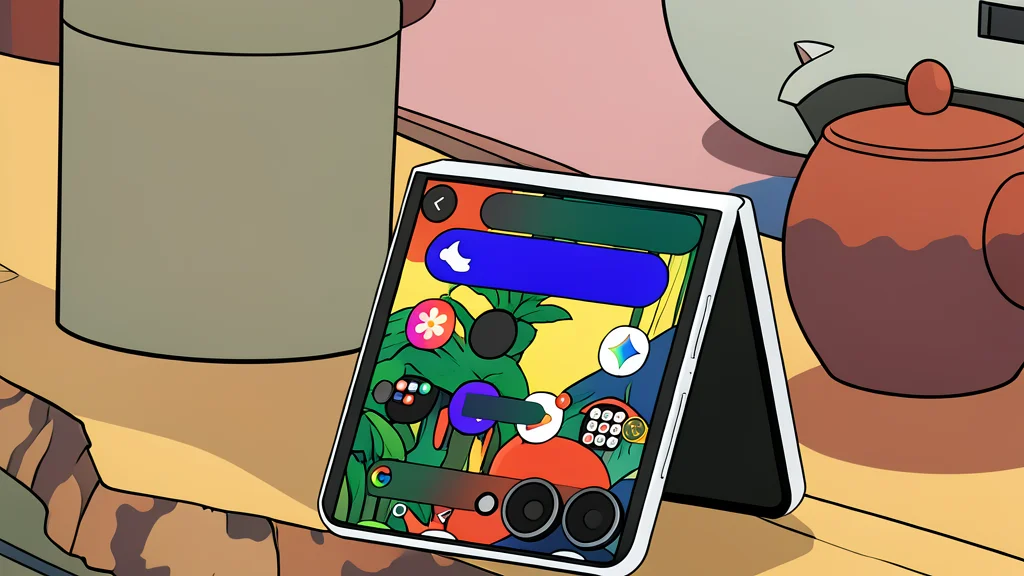
Analysts suggest Samsung should widen the Galaxy Z Flip9 to improve typing comfort and battery life, following the recent success of its wider foldable sibling.
Samsung is widely expected to restructure its compact flip smartphone line for the next generation, potentially adopting a wider form factor. This shift would follow the recent launch of the Galaxy Z Fold8, which successfully introduced a broader screen layout to the foldable category. While the current Galaxy Z Flip8 dominates its niche, reviewers note that its narrow, elongated design creates practical limitations for daily use.
The primary argument for a redesign centers on ergonomics and screen utility. A wider device would allow for a more comfortable typing experience and better support for standard video aspect ratios. Additionally, such a structural change could accommodate a larger battery and improved heat dissipation, addressing common complaints about performance throttling and limited battery life in the current model.
Narrow screens create usability hurdles
According to a detailed review published by GN technics/mobile, the current Galaxy Z Flip8 suffers from an aspect ratio that makes certain controls difficult to reach. When the phone is opened, the volume buttons and fingerprint sensor are positioned so high on the narrow body that they are hard to access with one hand. This ergonomic flaw is a direct result of the device's slender profile, which prioritizes a compact footprint over practical button placement.
The narrow design also restricts the size of the internal battery, which currently sits at 4,300 mAh. This capacity is often considered low for a flagship device, especially when compared to standard slab smartphones. A wider chassis would provide the physical space needed to install a larger battery, directly extending usage time between charges. This adjustment would also allow for better thermal management, reducing the likelihood of the processor slowing down during intensive tasks.
Wider format improves daily tasks
A shift to a wider format would significantly enhance the typing experience. The current on-screen keyboard is cramped due to the narrow width, making text entry slower and more error-prone. A broader display would allow for a more standard keyboard layout, improving comfort for users who type frequently. This change would also benefit media consumption, as a wider screen aligns better with the 16:9 aspect ratio common in video content, reducing the black bars often seen on the current model.
The external cover display would also benefit from this redesign. A wider outer panel would provide more real estate for notifications, widgets, and quick actions. This makes the device more functional when closed, reducing the need to open the phone for simple tasks. The design concept draws inspiration from competitors like Huawei, whose Pura X series demonstrates the appeal of wider flip-style screens in the market.
Market position remains strong
Despite these suggested improvements, the Galaxy Z Flip8 currently faces little direct competition. The closest rival, the Motorola Razr 70 Ultra, lacks the latest flagship processor and offers a less impressive audio and feature set. With a starting price of around $1,200, the Samsung device remains a premium option for consumers seeking a high-end flip phone. The proposed redesign aims to maintain this leadership by addressing the specific usability gaps that currently limit its appeal.