Samsung's 10,000-Nit Screen Arrives in iQOO 16 First

Samsung Display has introduced its brightest smartphone screen to date, but the company's own flagship phones will not be the first to use it.
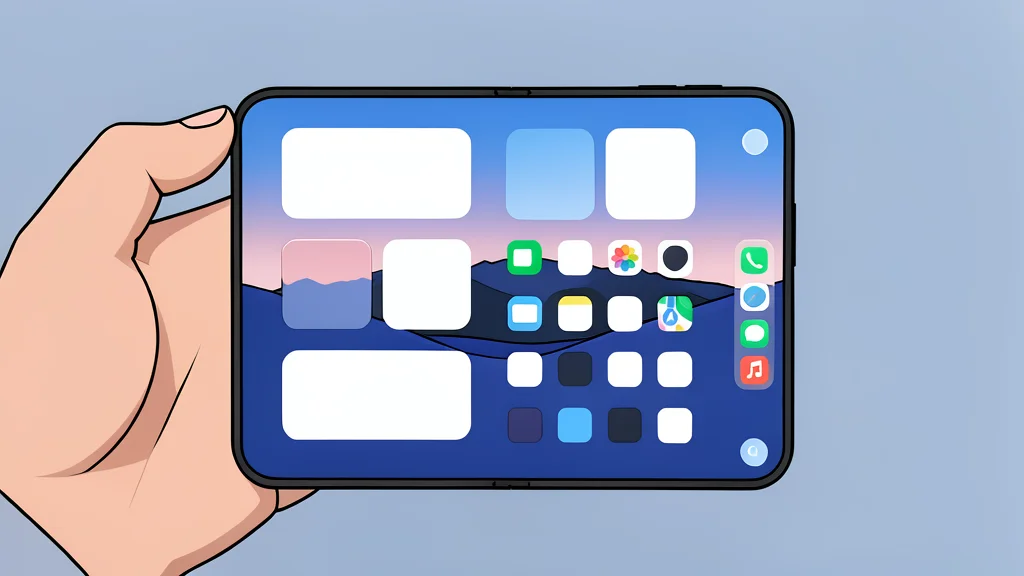
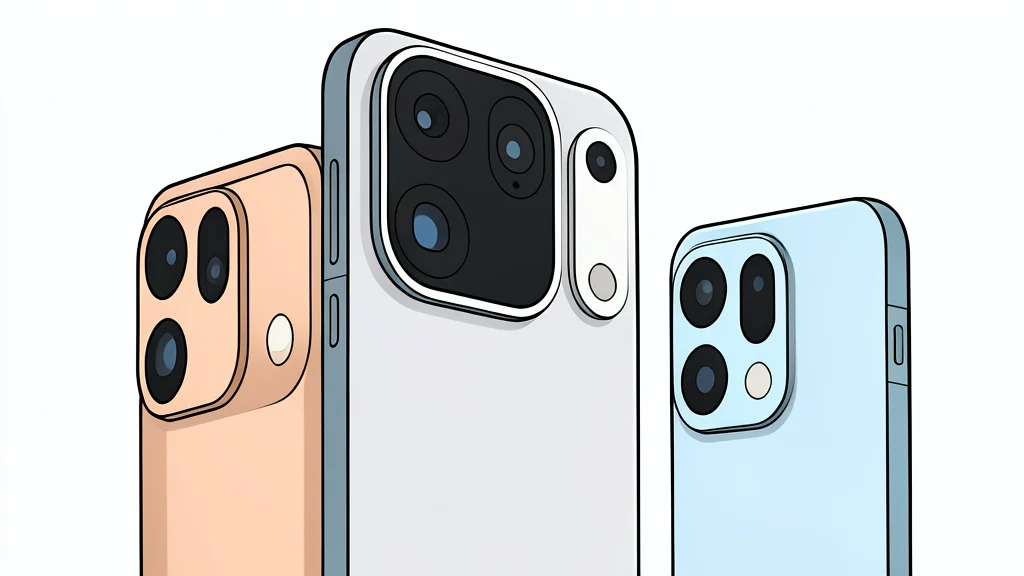
Samsung Display has unveiled a new OLED panel capable of reaching 10,000 nits of peak brightness, a significant leap in display technology for mobile devices. This panel, built with the latest M16 OLED material, is currently the brightest screen available for smartphones. However, despite being a Samsung product, it will not debut in a Galaxy phone. Instead, the technology has already appeared in Apple's iPhone 18 Pro series and the iPhone Duo, marking a shift in which brands access cutting-edge display hardware first.
In the Android ecosystem, the first device to feature this specific panel is the iQOO 16, which was officially announced in China. According to reports from GN technics/mobile (en-US), the panel is also expected to be used in the upcoming Galaxy S27 Pro and Galaxy S27 Ultra early next year. This arrangement highlights that while Samsung manufactures the component, its competitors are often the first to integrate these high-end parts into their consumer devices.
Technical specs define the new standard
The display falls under Samsung’s LEAD 2.0 series and offers a WQHD resolution of 2,560 x 1,440 pixels. It supports LTPO technology, allowing the refresh rate to adapt dynamically between 1Hz and 165Hz to balance performance and battery life. While the 10,000-nit figure refers to local peak brightness for small highlights, the global peak brightness is rated at 2,800 nits. The panel also covers 1.24 times the DCI-P3 color gamut, resulting in richer and more accurate colors for media consumption.
Brightness comes with power trade-offs
To manage the high energy demands of such a bright screen, the panel incorporates features designed to reduce power consumption by up to 30% compared to the previous generation. It utilizes a polarizer-free design, known as on-cell film, which helps improve efficiency. Additionally, the screen uses high-frequency pulse-width modulation for dimming, reaching 3,300Hz to minimize flicker, and features a touch sampling rate of 5,000Hz for responsive input. An anti-reflective coating is also included to handle outdoor visibility.
Pixel 11 misses out on new tech
Earlier rumors suggested that Google might use M16 panels in its Pixel 11 series. However, the recent announcement clarifies that this is not the case. The Pixel 11 lineup is likely using a previous-generation OLED panel from Samsung Display. This confirms that the M16 technology is being reserved for specific high-end models, with Apple and iQOO taking the initial lead in adopting the latest brightness and efficiency standards.