The $100 Smartphone Era Is Ending Due to AI Demand

Cheap phones are vanishing as AI infrastructure consumes the memory chips they rely on, driving up production costs.
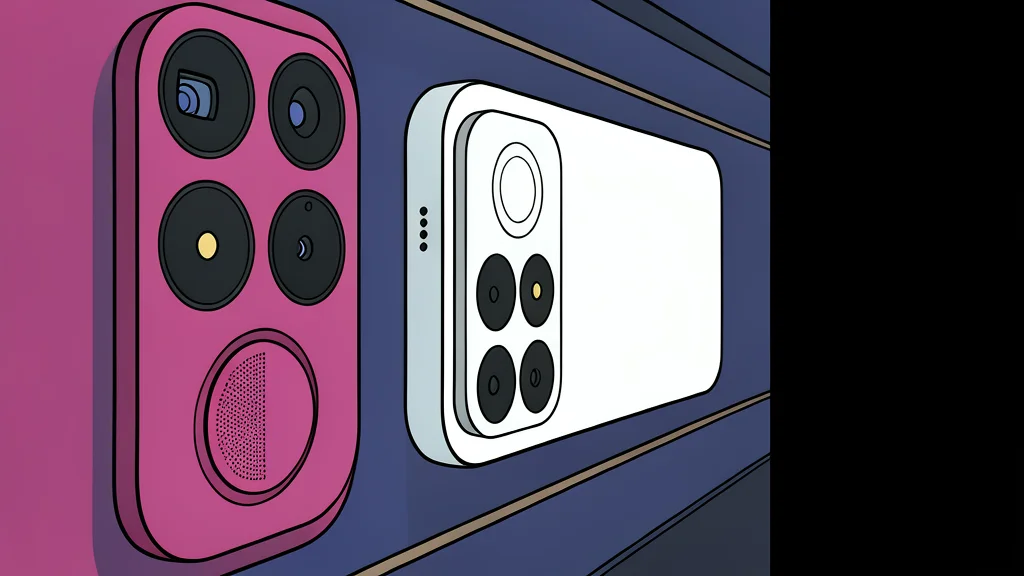
The era of the sub-$100 smartphone is rapidly coming to a close. According to data from IDC, shipments of these ultra-budget devices fell by nearly 60% in the second quarter of 2026 compared to the same period last year. This sharp decline marks a significant shift in the global mobile market, where the cheapest tier of phones is becoming increasingly rare.
The primary driver behind this trend is not a drop in consumer demand, but a surge in component costs. Memory chips, which are essential for any phone to function, have become significantly more expensive. This price hike is making it economically unfeasible for manufacturers to produce devices in the lowest price bracket, pushing the entire market toward higher price points.
AI Infrastructure Drives Up Chip Costs
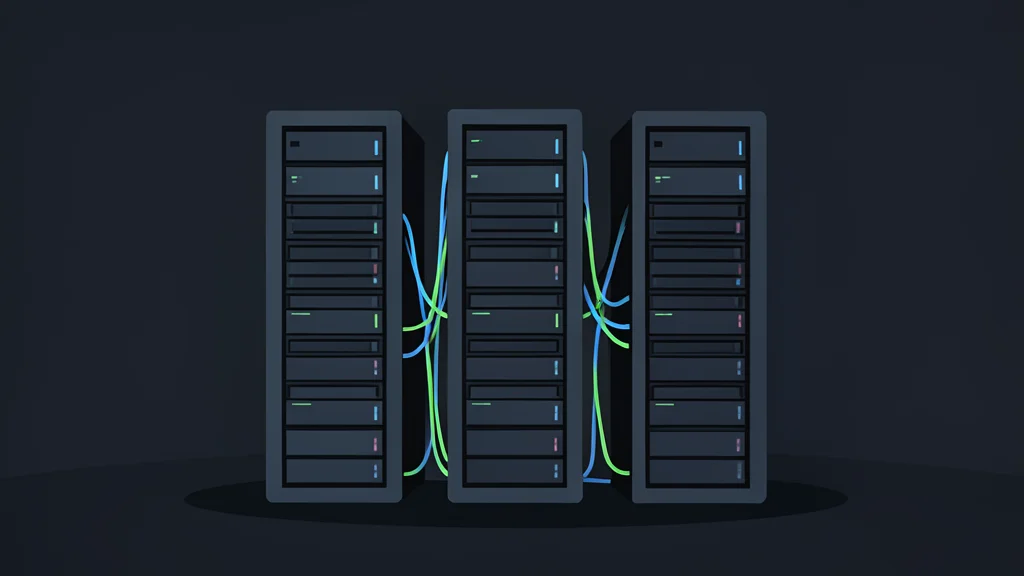
The insatiable appetite of the artificial intelligence industry is squeezing the supply chain for consumer electronics. Chip manufacturers are prioritizing the production of high-value memory components for AI data centers over those used in budget phones. As a result, the supply of affordable components has shrunk, while their cost has risen sharply. This shift means that the raw materials needed to build a cheap phone now cost a significantly larger portion of the total manufacturing budget.
Show Shen Winy of Omdia notes that memory now accounts for almost 60% of the bill of materials for smartphones costing less than $200. For devices in the sub-$100 category, this proportion is even more critical. When a single component consumes the majority of the production cost, there is little room left for profit margins. Consequently, producing these devices has become a financial liability rather than a viable business model for many manufacturers.
Manufacturers Abandon the Budget Segment
In response to these rising costs, major manufacturers are strategically moving upmarket. Brian Ma, Vice President for Consumer Devices Research at IDC, stated that producing budget phones is becoming economically unfeasible. Companies are choosing to drop their cheapest models from lineups to focus on higher-margin devices. This strategy is not just a reaction to costs, but a deliberate effort to increase overall profitability by targeting consumers who can afford more expensive hardware.
The impact is visible in the shipment data of leading brands. Xiaomi, a major player in the budget sector, saw its share of shipments in the under-$100 category drop from 27.7% in the first half of 2025 to just 11.2% a year later. Similarly, the share of its shipments costing up to $200 fell from 60% to 52.5% since 2023. These figures illustrate a broader industry trend where the floor of the market is rising, leaving fewer options for price-sensitive buyers.
Consequences for Global Consumers
For consumers, particularly in developing regions where these devices are a primary entry point to the digital world, the catch is a reduced choice and higher entry barriers. The disappearance of sub-$100 phones means that the most affordable option on the market is becoming more expensive. This shift may widen the digital divide, as those who relied on ultra-cheap smartphones to access basic services and communication may find the new price floor out of reach.
While this trend benefits manufacturers by improving their margins, it reflects a broader reallocation of resources in the tech industry. The priority is shifting from mass adoption through low-cost hardware to high-value infrastructure for emerging technologies. As reported by GN technics/mobile (en-US), this structural change suggests that the budget smartphone segment will not recover soon, as the underlying cost pressures driven by AI demand are likely to persist.