Why Digital Wallets Offer Stronger Payment Security
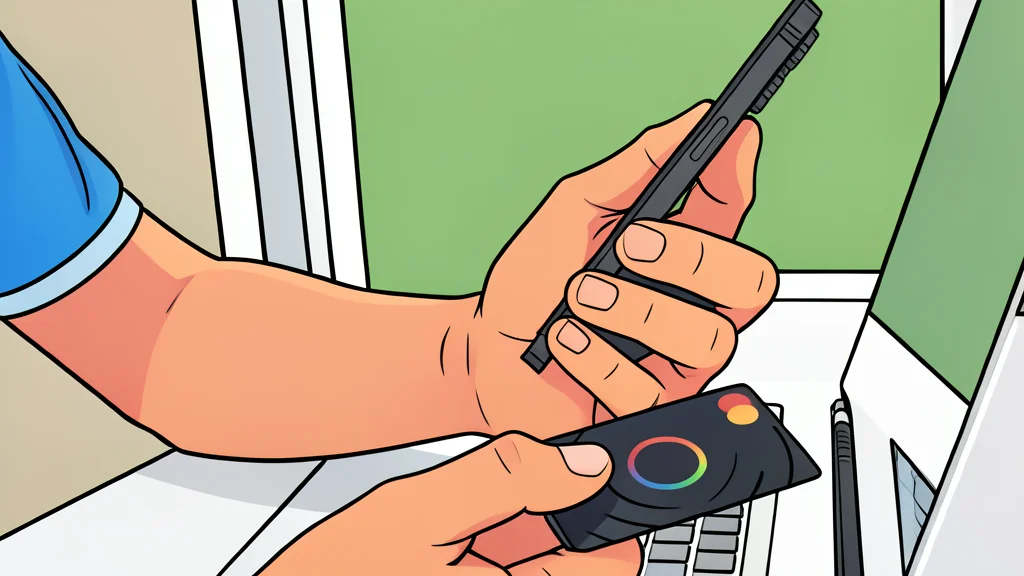
Your smartphone may be a safer place to keep your credit cards than a physical wallet, thanks to layers of protection that make unauthorized use nearly impossible.
While convenience is the main draw for mobile payments, the underlying security architecture provides a distinct advantage over traditional plastic cards. Digital wallets rely on biometric authentication and data encryption to ensure that only the device owner can authorize transactions. This creates a significant barrier against theft, even if the phone itself is lost or stolen.
As reported by Engadget, these systems are designed to keep card details isolated from the merchant and the public. Unlike a physical card that can be skimmed or copied, a digital wallet uses unique, one-time codes for every payment. This means that even if a transaction is intercepted, the data captured is useless for future fraud.
Authentication prevents unauthorized access
Most mobile payment systems require a strong form of device authentication before any card can be added. On iPhones, for instance, a lock screen passcode is mandatory, and every transaction must be verified using biometrics like Face ID or Touch ID. The passcode serves only as a fallback, ensuring that a stranger cannot simply pick up a dropped phone and make a purchase.
Even wearable devices like the Apple Watch, which lack facial recognition sensors, require a specific PIN to activate payment features. Once set, the device remains unlocked only while it is on the wrist. If it is removed, the payment function locks immediately. This contrasts sharply with many physical cards, which often allow small purchases without any PIN or signature, leaving them vulnerable to quick theft.
Tokenization hides real card numbers
The core of digital wallet security is tokenization. Instead of transmitting your actual card number, the phone generates a unique digital token for each payment. The merchant receives only this one-time code, which is valid for that single transaction and cannot be reused. If a thief were to steal this data, they would not have access to your real bank account details or the ability to make other purchases.
This method also mitigates the risk of card skimming. Since you do not insert or swipe a physical card, there is no surface for malicious devices to copy data from. While fake digital payment terminals are a theoretical threat, they are rare in practice. The combination of biometric locks and tokenized data makes it extremely difficult for criminals to exploit your payment method.
Remote controls offer quick recovery
If your phone is lost or stolen, you can take immediate action without waiting for a bank representative. Services like Apple’s Find My or Google’s Find My Device allow you to locate your phone and, if necessary, remotely wipe the digital wallet data. This disables the mobile copies of your cards instantly, preventing their use while you arrange a replacement.
This remote deactivation is a significant trade-off compared to physical cards, where losing a wallet usually means calling your bank to cancel the card and waiting days for a new one to arrive. By isolating the digital payment method from the physical bank account, digital wallets allow you to secure your finances quickly while you deal with the loss of the hardware itself.