Japanese Startup Bets Against Humanoid Robots
A Tokyo firm is embedding robotic arms into homes, challenging Tesla's vision of standalone human-shaped machines.
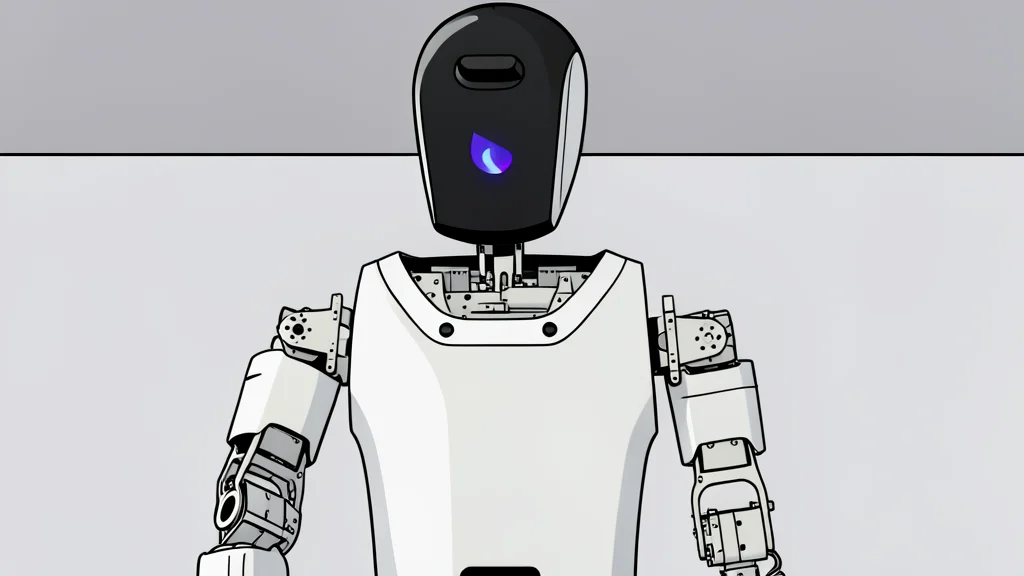
Tesla is preparing to spend billions to convert car factories into robot assembly lines, aiming to deliver one million humanoid units by 2035. The company believes a mass market exists for a $30,000 appliance that mimics human movement to perform household chores. However, this ambitious plan faces a distinct challenge from a different approach to domestic automation.
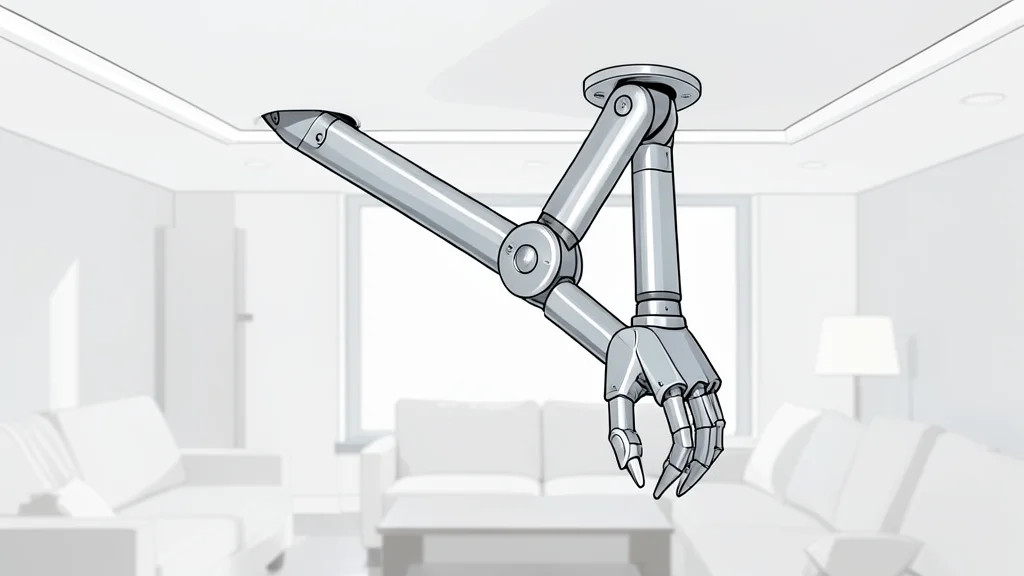
Tokyo-based startup MW is betting that the future of home help does not require a walking robot at all. Instead of building a human-shaped stand-in, MW is integrating robotic arms directly into the architecture of the house. This strategy bypasses the complex engineering of bipedal locomotion in favor of fixed, specialized limbs hidden within walls and ceilings.
Architectural Integration Replaces Human Form
The core difference lies in the physical form of the assistant. Tesla’s Optimus is designed to look and move like a person, intended to navigate existing spaces without modification. MW’s system, described in materials from GN auto tech/robotics, treats the home itself as the robot. By embedding claw-like arms into the structure, the company avoids the mechanical complexity of balancing a two-legged body.
In a recent commercial, the robotic arms perform tasks like putting away shoes, setting tables, and cleaning bathrooms while the homeowner relaxes. These arms are concealed within the ceiling and walls, emerging only when needed. This design eliminates the need for the robot to walk around the house, reducing the risk of tripping hazards or damaging furniture during transit.
Trade-offs in Mobility and Scope
The primary trade-off is flexibility. A humanoid robot can theoretically move to any location in the house or even outside, whereas MW’s arms are fixed to specific points. This means the home must be designed around the robotic infrastructure. If a task requires moving an object from the kitchen to the bedroom, the arm may not be able to reach it, or the homeowner must move the item to a station.
For Tesla, the humanoid form offers universal adaptability but comes with higher engineering costs and safety risks regarding balance and interaction with humans. For MW, the embedded approach offers reliability and speed for specific tasks but requires a dedicated, pre-wired home. The choice between a mobile generalist and a stationary specialist defines the competing visions for domestic robotics.
Market Timeline and Ambitions
MW plans to sell its first robot-equipped home in Tokyo by 2028. The company’s CEO, Shuzo Narita, projects that by 2035, they will be selling 10,000 units annually. This volume would represent roughly five percent of all new homes built in Japan, signaling a significant shift in residential construction standards.
While Tesla focuses on converting existing manufacturing capacity to produce standalone robots, MW is building a new category of real estate. The success of either model will depend on whether consumers prefer a flexible, human-like helper or a seamless, built-in service system. The market may ultimately support both, but for now, they represent divergent paths to the same goal of automated domestic labor.