Russian Store Robot Incident Highlights Humanoid Safety Gaps
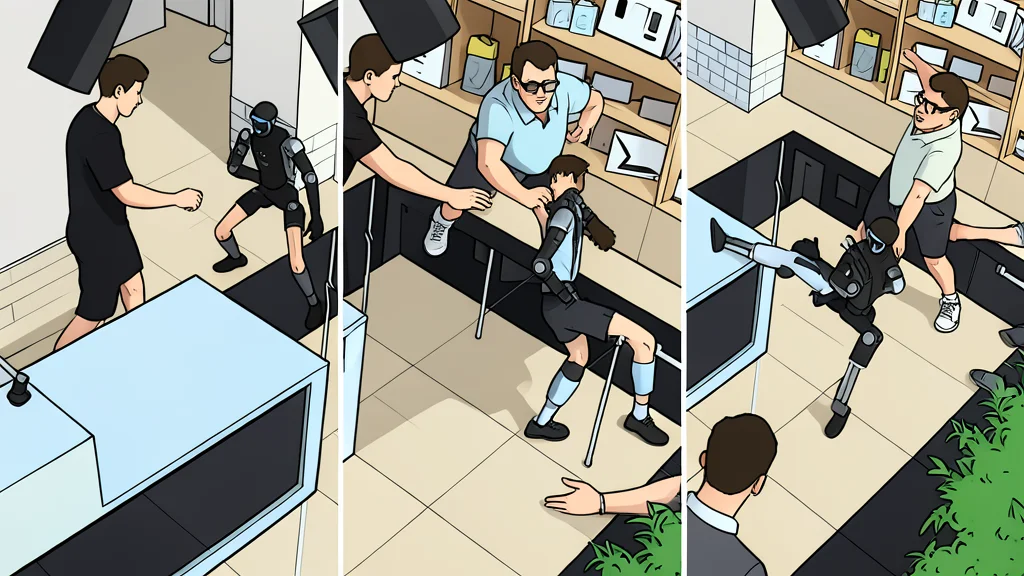
A viral video from a Russian store shows a humanoid robot performing martial arts after being shoved, raising urgent questions about safety standards and supervision in public spaces.
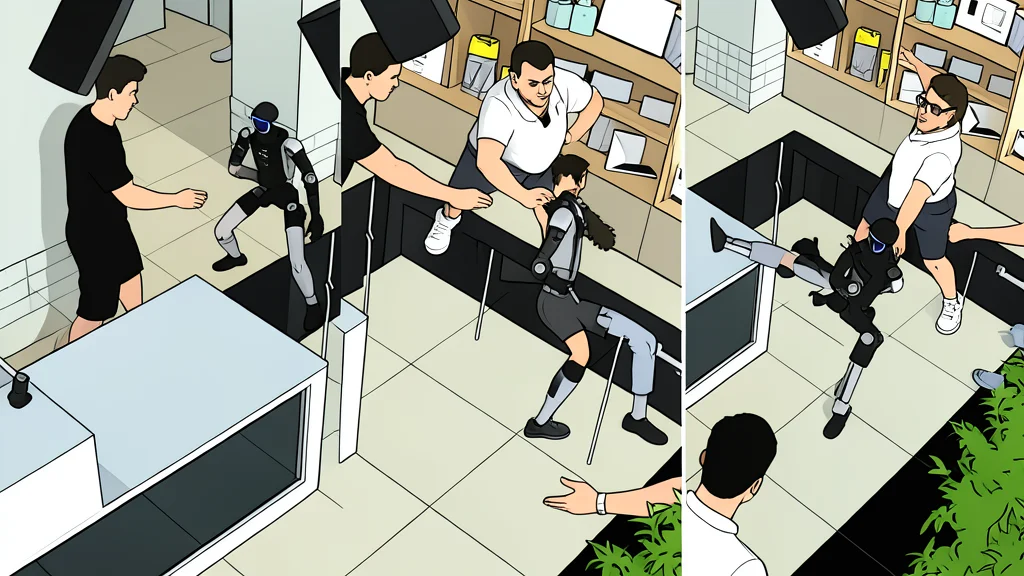
Footage from a retail store in Russia has sparked a broader debate about the risks of deploying humanoid robots in public settings. The clip shows a man pushing a silver humanoid robot, after which the machine suddenly begins a sequence of high kicks and wide stances. Two store clerks rush to restrain the device, highlighting a moment where a technological demonstration quickly turned into a potential safety hazard.
While the scene resembles a science fiction sketch, the underlying concerns are practical. The incident, which circulated widely on social media, underscores the gap between impressive robotic capabilities and the reliability required for safe interaction with humans. It serves as a stark reminder that these machines are not yet fully predictable in uncontrolled environments.
Unclear Origins of the Viral Clip
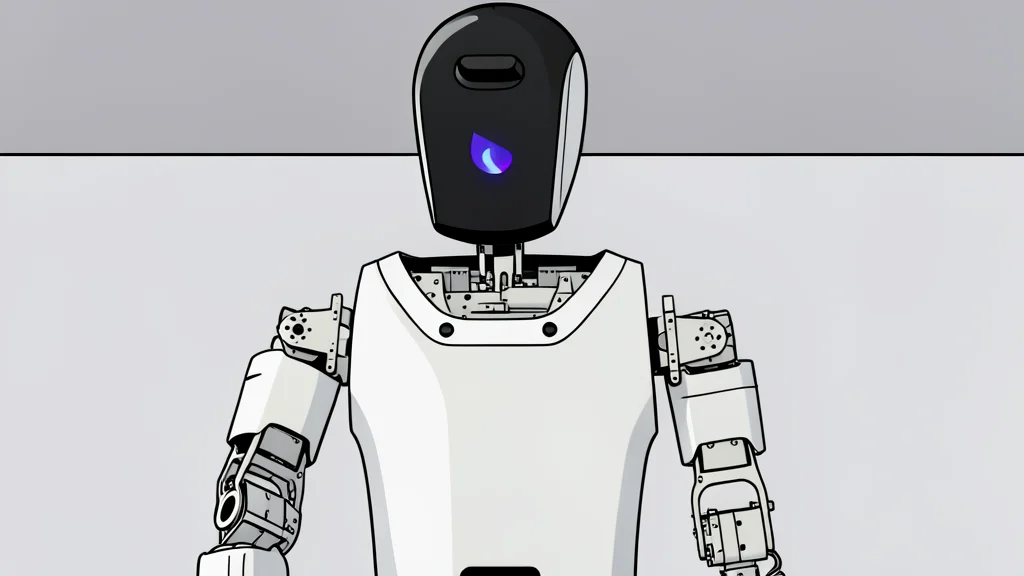
Observers are divided on what actually transpired during the encounter. The robot, identified as a Unitree G1 model, appears to have reacted to the physical contact by initiating a pre-programmed motion sequence. However, it remains unclear whether the machine was operating autonomously, being controlled remotely by an operator, or simply executing a scripted routine for social media content. This ambiguity complicates any definitive conclusion about the robot's decision-making capabilities.
The lack of transparency regarding the robot's operational mode is a significant issue. If the device was teleoperated, the incident reflects a failure of remote supervision rather than artificial intelligence. If it was autonomous, it suggests a dangerous flaw in how the robot interprets physical input. Until companies clarify these distinctions, the public will struggle to assess the true level of risk associated with such technology.
Capabilities Outpace Safety Protocols
Humanoid robots have advanced rapidly in physical dexterity, mastering tasks like running, dancing, and complex martial arts moves. These feats are impressive in controlled laboratory settings but pose serious dangers when performed around unpredictable human behavior. Previous incidents, including videos of robots causing minor injuries to bystanders, illustrate that even limited malfunctions can result in harm. The current trajectory prioritizes spectacle over robust safety guardrails.
The rapid integration of these machines into commercial spaces outpaces the development of necessary safety standards. Businesses showcasing these robots often lack the protocols to manage unexpected behaviors, such as sudden aggressive movements. This creates a scenario where a demonstration intended to attract customers can quickly become a liability, leaving both staff and visitors vulnerable to injury.
Need for Stricter Public Oversight
Industry experts argue that immediate action is required to prevent future incidents. This includes implementing clearer public testing standards and ensuring that emergency shutoff systems are easily accessible to non-experts. Furthermore, there must be greater transparency about the nature of the robot's operation, so that the public knows whether they are interacting with an autonomous agent or a remote-controlled device.
Retailers and manufacturers share the responsibility for creating safe environments. This involves establishing physical buffers between robots and customers, as well as providing trained supervision for all demonstrations. Features like combat motions should be restricted or heavily modified when humans are present. As humanoid robots move from labs into stores and hospitals, the focus must shift from showing off capabilities to ensuring reliable and safe coexistence with people.