Robotics Industry Moves Beyond Technical Demos to Daily Life

The robotics sector is pivoting from showcasing raw technical capabilities to delivering practical household solutions. New consumer-grade robots are entering the market, aiming to become personal intelligent terminals rather than just industrial tools.
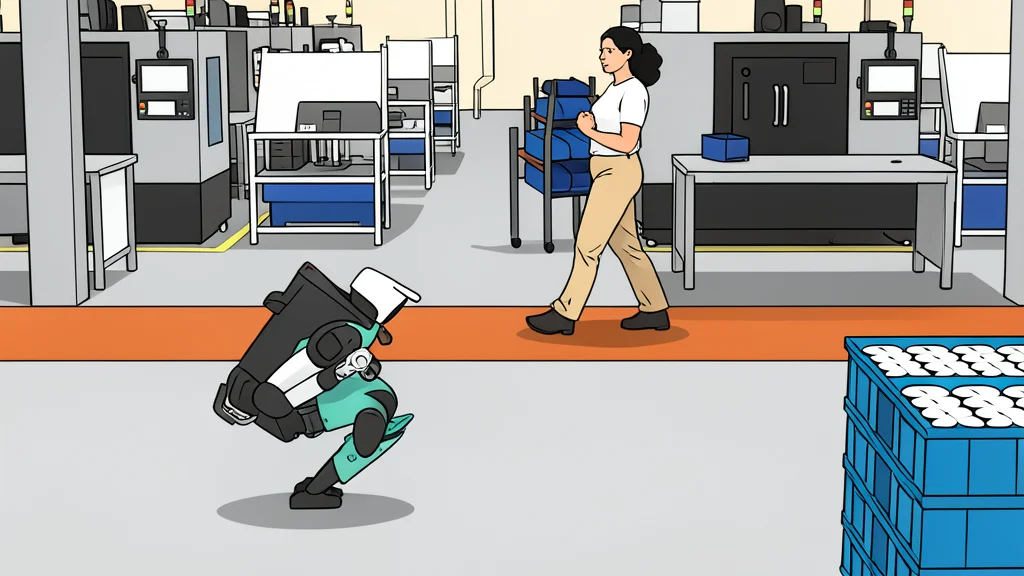
The robotics industry is undergoing a significant strategic shift, moving away from the era of technical demonstrations toward practical, everyday applications. For years, robots have been confined to factories, laboratories, or exhibition stages where they performed fixed tasks to highlight engineering prowess. However, the landscape has changed as artificial intelligence begins to integrate more deeply into physical hardware, enabling machines to perceive environments, understand instructions, and interact with humans in natural settings.
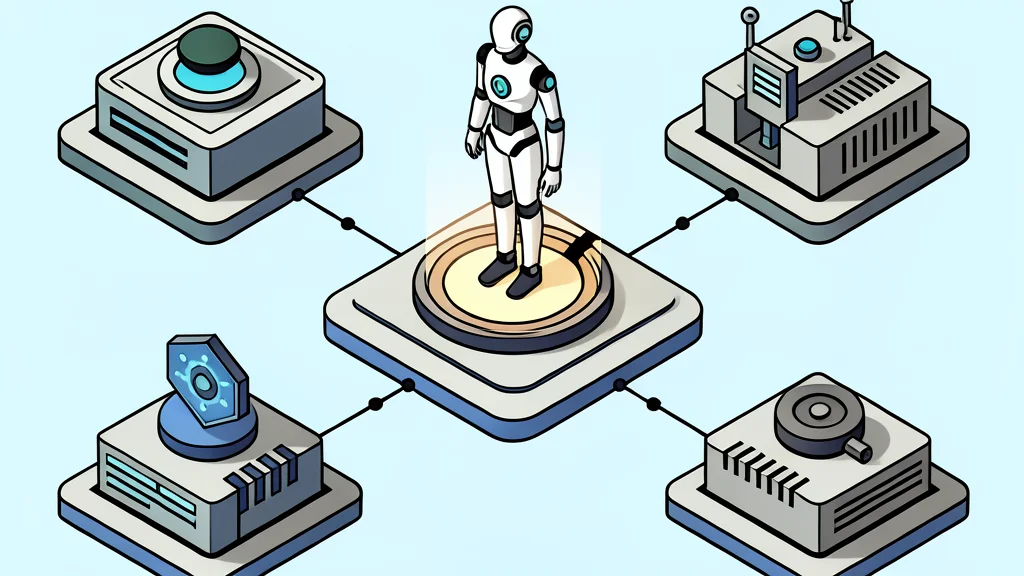
This transition marks a departure from viewing robots solely as industrial assets. Instead, the focus is now on creating personal intelligent terminals that can serve individuals and families. The goal is no longer just to prove that a machine can move or lift an object, but to ensure it can understand human needs, integrate into daily routines, and evolve its capabilities over time. This approach treats the robot as a companion in the home, similar to how smartphones evolved from communication tools into central hubs for personal life.
New Models Target Household Use
Qiyuan Robotics, a brand under Swancor New Material, recently launched two new personal robots, the Qiyuan Q1 and the Qiyuan T1, signaling a concrete step into the consumer market. Priced between 19,999 and 29,999 yuan, these devices are positioned not as scaled-down industrial units but as dedicated personal terminals. Orders for these units are set to begin shipping in October, marking the first time such specialized consumer robots are widely available for purchase and delivery to ordinary households.
The company emphasizes that these robots are designed to be part of the home environment from day one. Unlike previous iterations that required complex setup or operated in sterile environments, these new models aim to address the specific value proposition for consumers: how a robot can create tangible utility in personal life. The strategy involves moving the product from the laboratory phase of technical verification to the real-world scenario of daily usage, where reliability and ease of interaction are paramount.
Defining the Personal Robot Category
According to 36kr.com, the definition of a personal robot has been refined to distinguish it from traditional smart hardware or simple humanoid figures. It is characterized by the integration of AI, physical embodiment, and interaction capabilities. The core requirement is not just mechanical movement, but the ability to understand human intent and form personalized capabilities as usage time increases. This means the robot must learn from its environment and the specific user, adapting its behavior to fit the unique dynamics of a household.
This distinction is crucial for the C-end market, or consumer segment. Simply selling industrial robots to consumers does not address the fundamental questions of why a person would want one or how it adds value to their daily routine. The new category requires a rethinking of the product path, ensuring that the technology serves the individual rather than the other way around. The emphasis is on long-term companionship and utility, turning a one-time purchase into a sustained relationship between the user and the device.
Trade-Offs in Consumer Adoption
However, this shift comes with inherent trade-offs. Moving from controlled laboratory environments to messy, unpredictable homes introduces significant challenges in reliability and safety. While the promise of a personalized, evolving assistant is appealing, the current technology may still lack the robustness expected of mass-market consumer electronics. Users must weigh the potential for long-term utility against the current limitations in battery life, dexterity, and contextual understanding.
Furthermore, the high price point relative to standard smart home devices means that consumers are making a substantial investment in a technology that is still maturing. The industry is betting that the integration of AI will rapidly improve these devices, but for now, the value proposition rests on the novelty of having a physical AI assistant in the home. For many, the catch is that while the vision of a seamless personal robot is clear, the current reality often involves a device that is impressive in demos but potentially limited in sustained, unassisted daily use.