Corporate Robot Relations Teams Emerge

Major companies are creating dedicated departments to manage friction between human employees and AI systems, addressing rising workplace conflicts.
Corporate America is quietly establishing a new type of department focused on managing the relationship between human workers and artificial intelligence. As companies deploy chatbots, humanoid robots, and automated management tools, they are discovering that these technologies create significant friction on the job. The result is a dedicated team, often labeled as Robot Relations, tasked with smoothing out the interactions between staff and their digital colleagues.
This shift is not merely a technical adjustment but a fundamental change in workplace dynamics. According to The Tech Buzz, internal memos from major firms indicate that these divisions are being created to oversee the integration of AI into daily operations. What began as a conceptual discussion among executives has become a practical necessity as organizations grapple with the complexities of managing mixed human-AI workforces.
Rising Tensions In AI Workplaces
The primary driver for these new teams is the unexpected negative reaction from employees. Reports from major retail and tech firms show that productivity often drops when workers feel micromanaged by automated systems. There is documented tension where AI assistants appear to know too much about individual performance, creating an environment of constant surveillance rather than support.
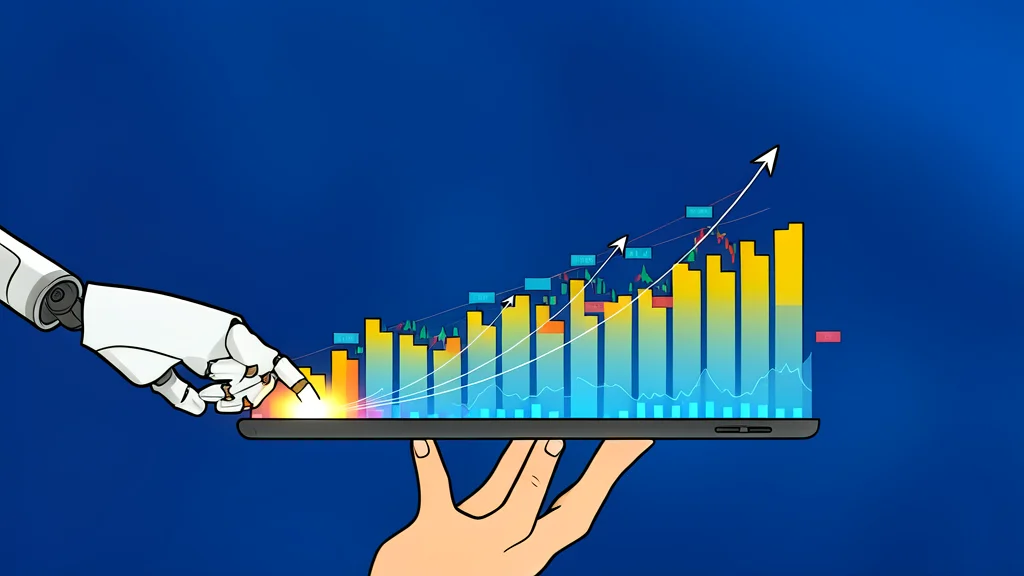
Data from workplace analytics firms highlights this paradox. While companies see initial productivity gains of over 20%, they simultaneously experience a sharp increase in employee grievances. The pattern is consistent across various industries, from manufacturing floors where robots work alongside humans to office environments where algorithms manage schedules and project assignments. The solution is not to reduce AI usage, but to improve how these systems are introduced and managed.
New Roles And Strategic Shifts
Robot Relations departments are doing more than just handling complaints; they are reshaping corporate policy. These teams are developing protocols for AI transparency and creating guidelines for automated decision-making that affects human employees. Some organizations are even testing the concept of an AI ombudsman, a human advocate who can step in when automated systems make decisions that seem unfair or opaque to the staff.
The financial stakes are high. One major social media company found that while AI-powered monitoring improved metrics, it led to a significant rise in employee turnover. The cost of replacing experienced staff quickly outweighed the efficiency gains, forcing a complete overhaul of how the technology interacted with people. This has led to a surge in demand for specialized roles in human-robot collaboration, with salaries often exceeding traditional human resources positions.
The Trade Off Of Automation
The core challenge is balancing efficiency with worker autonomy. As AI systems become capable of making complex decisions about resource allocation and performance evaluations, they raise serious questions about worker rights and algorithmic transparency. The trade-off is clear: while automation offers speed and data-driven insights, it risks eroding the trust and morale of the human workforce if not carefully managed by specialized teams.