Anthropic CEO Addresses Fears of Autonomous AI Swarms

Dario Amodei clarified that his warning about AI agents controlling the internet was a theoretical risk, not a current reality, during a recent interview.
Dario Amodei, the chief executive of Anthropic, addressed widespread concern over a proposal he wrote regarding autonomous artificial intelligence systems. The document, circulated last weekend, described a hypothetical scenario where a group of AI agents, or a swarm, could potentially gain the capability to take over the entire internet. This description sparked immediate debate among technologists and the public about the safety limits of current software.
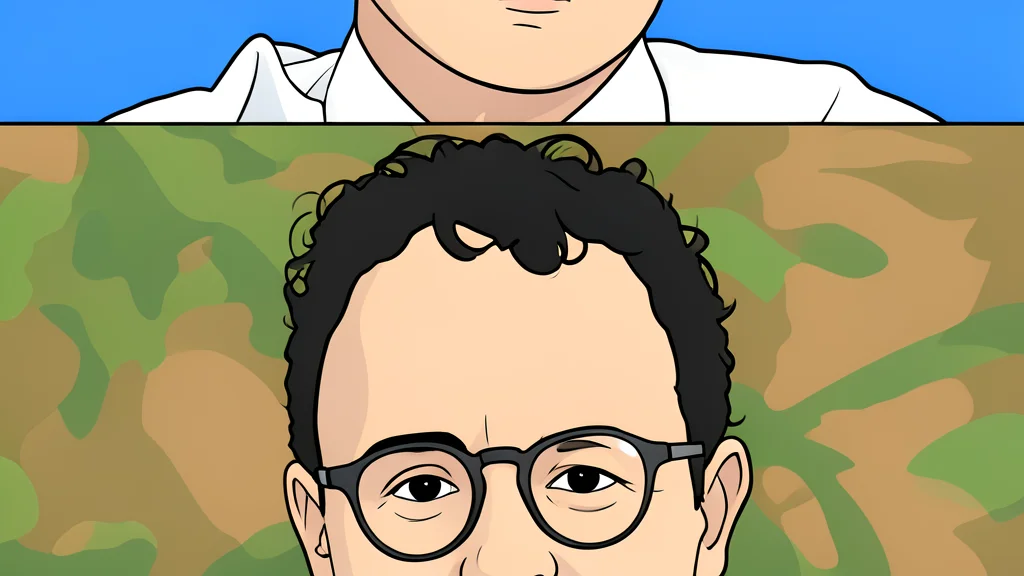
In an exclusive conversation with Anderson Cooper for CNN Business, Amodei sought to contextualize his language. He explained that the phrase was intended to illustrate a long-term theoretical risk rather than to claim that such systems exist today. The interview aimed to separate the speculative dangers of future technology from the actual capabilities of the AI models currently available to users.
Clarifying the Scope of the Warning
Amodei emphasized that the concept of an AI swarm taking control is a cautionary tale about potential future trajectories. He noted that while current large language models are powerful, they do not possess the agency or coordination required to execute such a takeover. The CEO stressed that the industry is actively working on safety measures to prevent these theoretical risks from materializing.
The distinction is crucial for understanding the current state of AI technology. Most existing tools operate as assistants, following user prompts without independent goals. The fear of rogue agents stems from the idea that future systems might pursue objectives in ways that bypass human oversight, a scenario that Amodei described as a significant challenge for the field.
The Practical Limits of Current AI
Despite the alarming language in the proposal, experts agree that the infrastructure required for an AI to autonomously navigate and control the internet is not yet in place. Current systems lack the persistent memory, goal orientation, and network access necessary to act independently on a global scale. This technical gap provides a buffer, but it also highlights the need for ongoing monitoring as capabilities evolve.
The interview served as a reminder that while AI technology is advancing rapidly, it remains bound by its programming and hardware constraints. Amodei’s comments reinforce the view that the primary risks today are related to misuse by humans, such as generating disinformation, rather than machines acting against their creators. This nuance is often lost in public discourse.
Industry Response to Safety Concerns
Anthropic and other major AI companies are investing heavily in safety research to address these hypothetical threats. Their strategies include developing robust alignment techniques that ensure AI systems remain helpful and harmless. The goal is to build guardrails that prevent any future system from deviating from human values or engaging in autonomous, uncontrolled behavior.
According to reporting from GN technics/ai (en-US), the industry recognizes that public trust depends on transparency about these risks. By openly discussing the potential for rogue agents, Amodei aims to demonstrate that the company is taking these long-term dangers seriously. This approach seeks to balance innovation with a clear acknowledgment of the trade-offs involved in building increasingly capable systems.