Robros Enables Full-Body Remote Control for Humanoid Robot
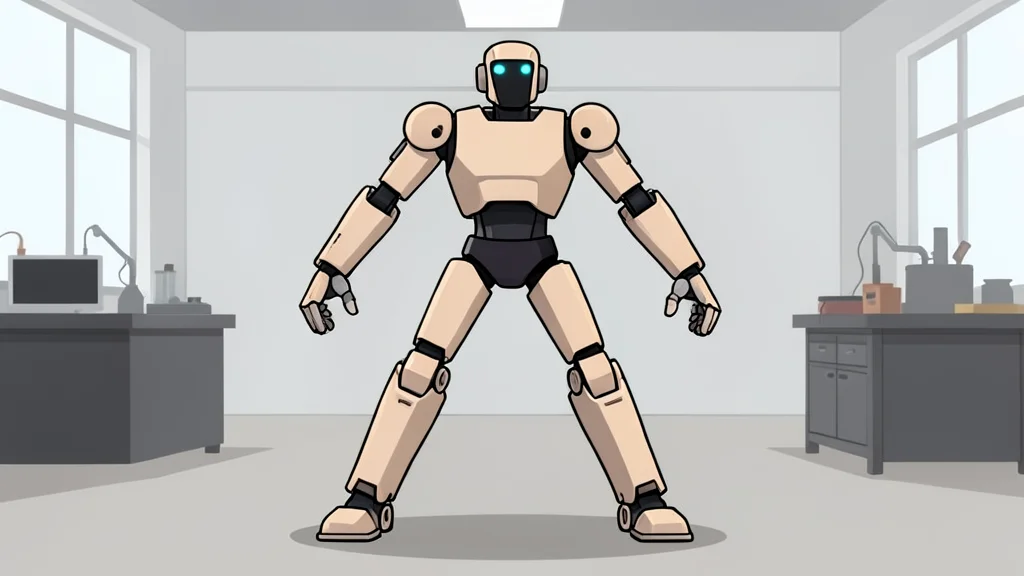
South Korean firm Robros extends real-time teleoperation to the legs of its Aegris-C robot, allowing dynamic movement and manipulation simultaneously.
Key points
- Robros has extended its real-time remote control technology from the upper body to the full frame of its Aegris-C humanoid robot.
- The system allows operators to control locomotion and manipulation simultaneously, rather than relying on preset motion sequences.
- The company targets industrial environments where situations are too variable to be fully pre-programmed, relying on live human judgment.
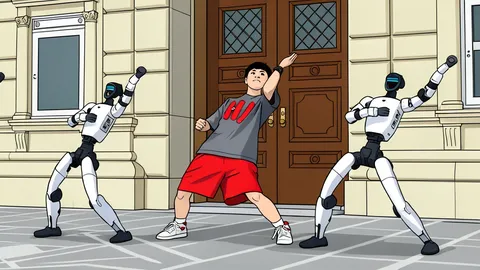
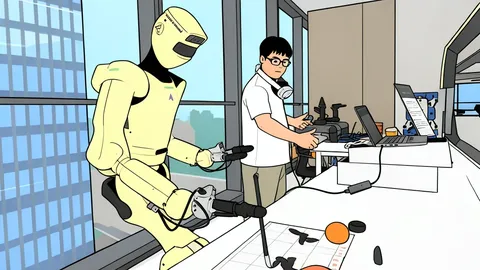
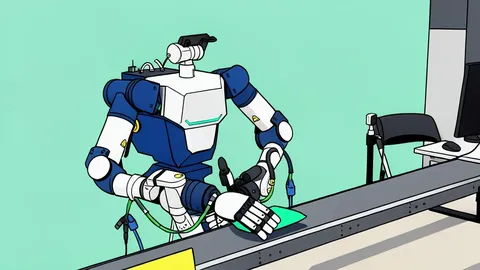
Robros has released footage demonstrating real-time, full-body remote operation of its Aegris-C bipedal humanoid robot. The company, which previously limited remote control to the upper body, now links an operator’s movements to the robot’s entire frame, including its legs.
According to reports from the Seoul Economic Daily, the technology allows a human operator to judge situations and control the robot's locomotion and manipulation in a single, integrated stream. This marks a shift from fixed-position tasks to dynamic, on-the-spot adjustments.
Expanding control beyond the torso
Previous demonstrations focused on replicating upper-body movements for tasks performed from a stationary position. The new system expands this capability to the lower body, enabling the robot to walk, shift its posture, and manipulate objects with its arms all at once. In the released video, the robot punches a sandbag and kicks a ball in response to the operator's real-time inputs.
Real-time judgment replaces preset motions
A key distinction of this approach is that it does not rely on replaying pre-programmed sequences. Instead, the operator makes immediate decisions based on the surrounding environment, linking movement and task execution in real time. This is particularly relevant for industrial sites where situations are too variable to define every possible scenario in advance.
Industrial applications and operational limits
Robros plans to expand this technology to various industrial settings based on customer demand. The trade-off for this flexibility is a continued dependency on a skilled human operator to manage complex, unstructured environments. While this solves the problem of unpredictable workplace conditions, it means the robot remains a tool extended by human judgment rather than an autonomous agent.